
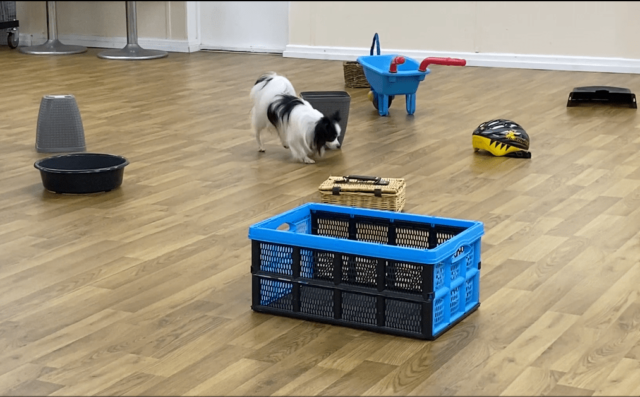
Dogs experience the world through their noses in ways humans can barely imagine. While we rely heavily on vision, a dog’s primary window into their environment is their sense of smell. Equipped with over 220 million scent receptors—roughly fifty times more than humans—their olfactory capabilities are truly extraordinary. This biological marvel is why dogs excel in critical roles, from tracking missing persons and detecting explosives to identifying chemical changes in the human body associated with cancer or low blood sugar.
Sniffing is more than just a functional tool; it is a natural, calming behavior that provides essential mental stimulation. When a dog processes various odors, they are essentially giving their brain a rigorous workout. Engaging in dog scent training is one of the most effective ways to provide mental enrichment, build a deeper bond with your pet, and improve their overall well-being. The best part is that you can begin this rewarding journey right in the comfort of your own home.
Essential Dog Scent Training Supplies
To start teaching your dog the art of scent work, you will need a few specialized items. Most of these are inexpensive and can be found around the house or purchased easily online:
- Scent Source: Essential oils are commonly used as the target odor. Birch, anise, and clove are standard in competitive scent work. If you have a specific goal, like truffle hunting, you can use truffle oil. Note: Always ensure the oils are dog-safe and used in tiny quantities to avoid irritation.
- Cotton Swabs: These serve as the vehicle for the fragrant oil.
- Disposable Gloves: Crucial for preventing your own scent from contaminating the training materials.
- Plastic Sealable Bags: Used to store unused supplies and prevent the scent from spreading through your home.
- Scent Tin: A small metal container or glass jar with holes drilled in the lid to hold the scented cotton swabs.
- Scent Box: A larger plastic container with holes in the lid, used to hide the tin during search exercises.
- High-Value Rewards: Use your dog’s absolute favorite treats to create a strong positive association.
How to Scent Train Your Dog: A Step-by-Step Guide
1. Preparing the Scent Item
Preparation is key to successful dog scent training. To avoid confusing your dog, the target smell must remain isolated to the scent tin. Wear your disposable gloves and apply exactly two drops of your chosen oil to a cotton swab. Place the swab inside the scent tin and seal the lid. Immediately dispose of the gloves in a sealed plastic bag and wash your hands. It is best to do this in a separate room, like a garage or bathroom, away from where your dog sleeps or eats.
2. Introducing the Scent
Bring the scent tin to your dog and hold it out for them to investigate. The moment they sniff the tin, deliver a high-value treat directly at the source of the smell. This “rewarding at source” technique teaches the dog that the smell itself is what earns the prize. Keep sessions short—no more than a few minutes—to keep the dog engaged and prevent olfactory fatigue.
3. Teaching the “Find” Command
Once your dog reliably targets the tin, introduce a verbal cue like “search,” “find,” or “seek.” Place the scent tin inside the larger scent box and set it on the floor. Use your cue and reward the dog generously when they locate the box. Gradually increase the difficulty by hiding the box while your dog watches, and eventually, hide it in locations where they must use their nose to track it down without visual cues.
Fun Nose Work Games for the Home
If you aren’t ready to use essential oils, you can still stimulate your dog’s brain using their natural drive to find food or people. These games are excellent for burning off energy on rainy days:
- Hide-and-Seek: This classic game works with both treats and people. Start by hiding in an easy spot while your dog watches, then progress to more complex hiding places. This encourages them to use their nose to “track” your scent through the house.
- The Muffin Tin Puzzle: Place a few treats in a muffin tin and cover every hole with a tennis ball. Your dog will have to sniff out which holes contain the treats and figure out how to remove the balls to reach the reward.
Conclusion
Dog scent training is a versatile and enriching activity that taps into your pet’s most powerful natural instinct. Whether you are aiming for professional-level scent detection or simply looking for a fun way to prevent boredom at home, focusing on nose work provides unparalleled mental exercise. By following these steps and remaining patient, you will not only sharpen your dog’s mind but also strengthen the unique partnership you share.
References
- The Canine Olfactory System, Veterinary Science Journals.
- Mental Enrichment for Working Breeds, Canine Behavioral Institute.
- Safe Use of Essential Oils in Pets, Animal Health Guidelines.