
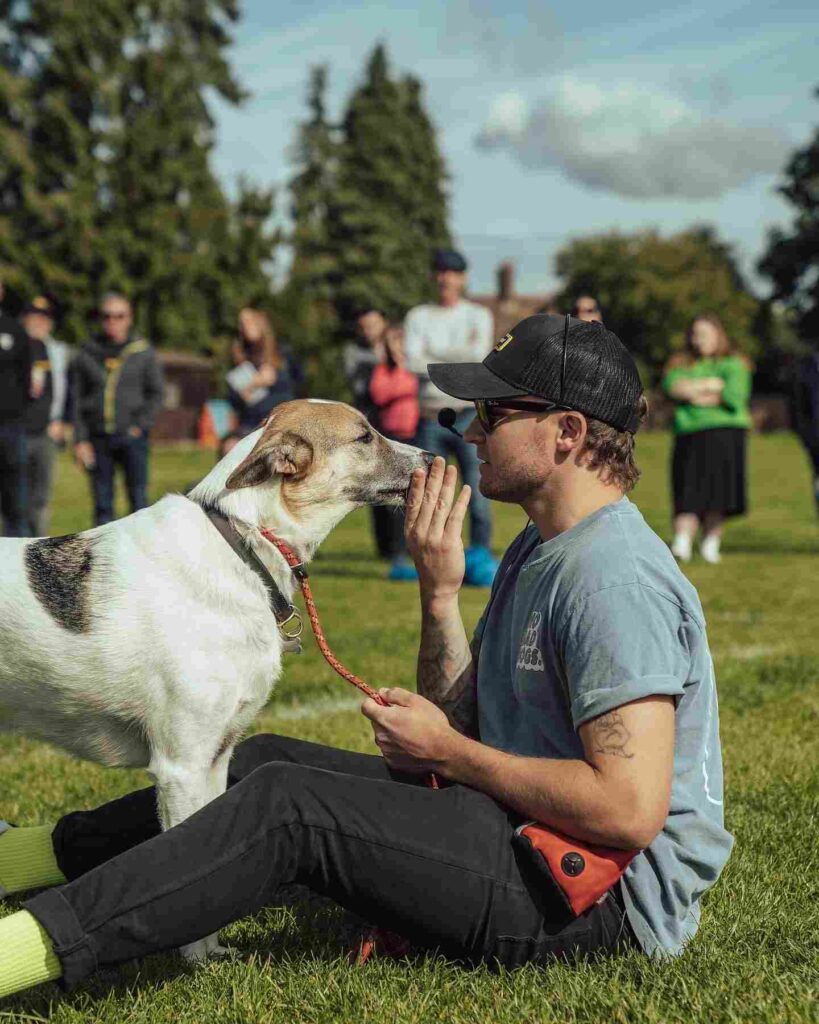
Teaching your dog to come when called, known as the recall command, is a cornerstone of basic obedience. While it may seem straightforward—calling your dog, offering a reward, and praising them—achieving a reliable recall that withstands distractions and maintains its effectiveness over time is often a significant challenge for many dog owners. This updated guide delves into the intricacies of establishing and preserving a strong recall, offering practical strategies for both novice and experienced trainers.
The Foundation of a Solid Recall
The most critical principle in training the recall is to never utter the command “come” unless you are absolutely certain you can enforce it. The goal is to instill in your dog the understanding that responding to your call is not optional, but rather a natural, ingrained habit. This is achieved through consistent and progressive practice.
Progressive Practice: Building a Reliable Response
Begin your training at home with your dog on a leash, in an environment with minimal distractions. Once your dog demonstrates a 100% success rate in responding to the “come” command under these conditions, you can gradually increase the level of distraction. Progress to practicing in your neighborhood, where more stimuli are present, and reintroduce the leash if necessary. As your dog becomes more reliable, move to a more distracting environment like a park, utilizing a long training leash or a long line. The key is to return to a more controlled setup (on leash) whenever you introduce a new level of distraction, ensuring success before advancing.
Consistent practice doesn’t require extensive time commitments. Incorporating short sessions of 10-15 recalls a couple of times a day is highly effective.
Reinforcing Positive Associations
It is crucial that highly positive experiences are associated with your dog coming to you. Offer high-value treats, engage in a game of fetch, or provide enthusiastic praise to reinforce the behavior. Equally important is allowing your dog to return to their previous activity after responding to your call. This prevents the dog from learning that coming to you signifies the end of their fun, thus maintaining their eagerness to respond.
Preventing the “Recall Dance”
A common frustration for dog owners is when their dog approaches but stays just out of reach, engaging in a playful evasion. To counteract this “recall dance,” train your dog to understand that “come” means to approach closely enough for you to make physical contact, such as touching their collar, before receiving their reward. Alternatively, you can train “come” to mean approaching and sitting by your side. Both methods help prevent the dog from learning to play keep-away.
When to Use the Recall Off-Leash
Avoid calling your dog off-leash in highly distracting environments unless you are at least 90% confident they will respond. In situations where you anticipate your dog will not come, such as at a busy dog park, it is more effective to physically retrieve your dog yourself rather than repeatedly issuing a command that you cannot enforce. This upholds the golden rule and prevents the dog from learning that the “come” command is optional.
If your dog is on a long line in a distracting environment, you can issue the “come” command and gently reel them in if needed. Upon reaching you, offer praise and then allow them to return to their previous activity.
The Unbreakable Rule: Never Punish with a Recall
Under absolutely no circumstances should you ever call your dog to punish them. Whether you are feeling angry, tired, or frustrated, using the “come” command to administer any form of punishment will irrevocably damage your dog’s trust and willingness to respond in the future. Your dog will associate coming to you with negative consequences, not with the specific misbehavior you intended to address.
Similarly, refrain from calling your dog for activities they dislike, such as bath time or being crated when you leave for work. In these instances, it is better to go and retrieve your dog yourself to avoid creating negative associations with the recall command.
Recap for Recall Success
To summarize, building a strong recall involves:
- Consistent Practice: Frequently practice recalls in situations where you can enforce them.
- Gradual Progression: Start with minimal distractions and systematically increase the challenge.
- Strategic Enforcement: Avoid calling your dog when you are almost certain they will ignore you.
- Positive Reinforcement: Ensure that only positive outcomes result from coming to you.
By consistently applying these principles, you will undoubtedly observe significant improvements in your dog’s recall reliability. Enjoy the training process, and best of luck!