
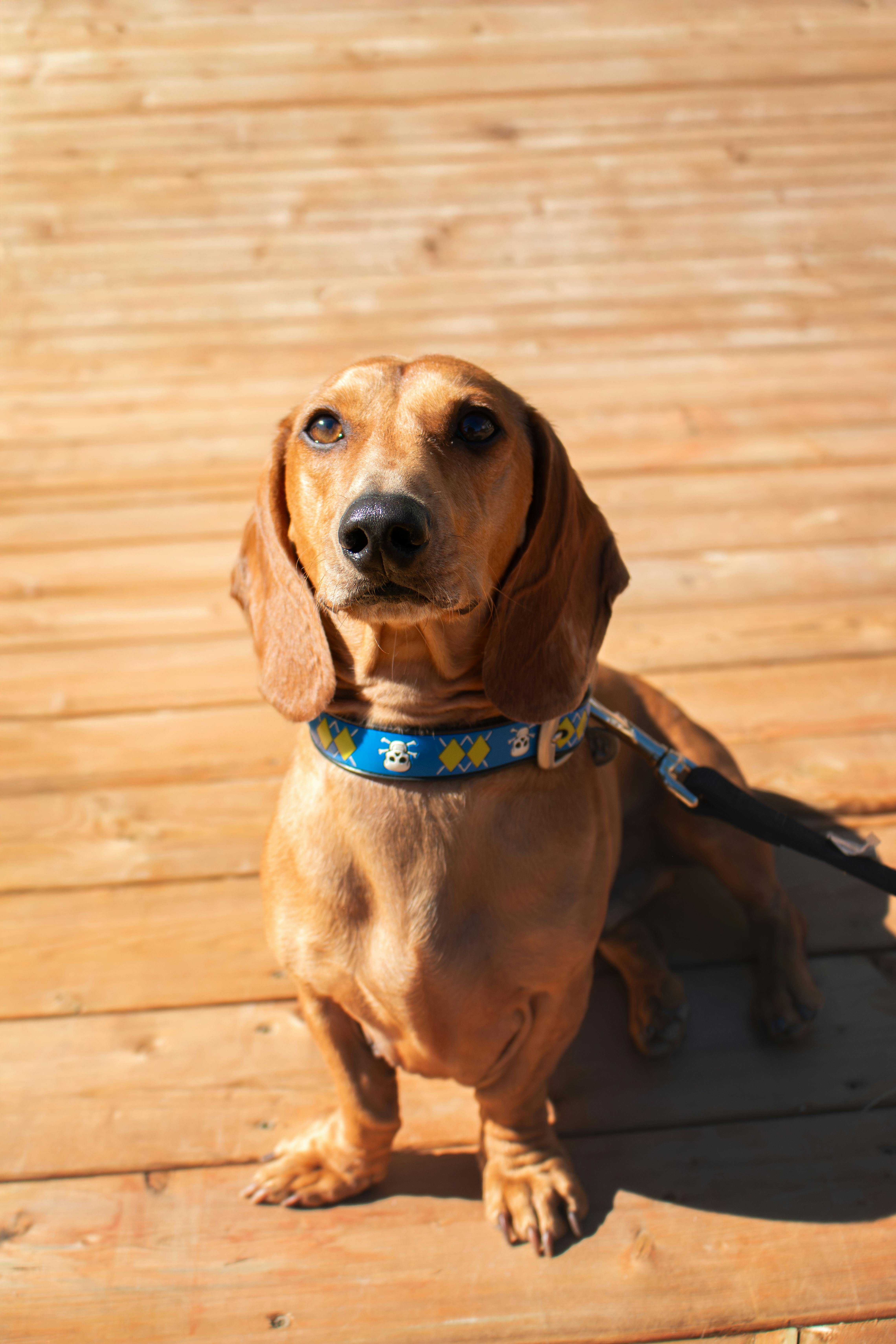
Bringing a new puppy home is an exciting journey, and with consistent training and positive reinforcement, your furry friend will blossom into a well-behaved companion. Clicker training, in particular, can significantly enhance this process by providing clear communication and strengthening the bond between you and your pup. This method leverages a distinct sound to mark desired behaviors, making training both effective and enjoyable.
Clicker training utilizes a small device that emits a crisp, audible click. These clickers are readily available online or at pet supply stores, and even smartphone apps can replicate the sound. The core principle is simple: the clicker acts as a marker, precisely signaling to your puppy the exact moment they perform a behavior you like. This is immediately followed by a treat, reinforcing the action. With good timing, the click becomes a clear indicator, accelerating learning as puppies associate the sound with a positive reward, encouraging them to repeat the desired behavior.
10 Essential Tips for Puppy Clicker Training
Clicker training offers a fun and rewarding way to deepen your relationship with your puppy while teaching them valuable skills. Here are ten tips to help you begin this effective training technique:
Choose a Quiet Environment: Start your clicker training sessions in a calm, distraction-free area. This will help your puppy concentrate on you and the new activity, making it easier for them to learn.
Establish Sound Relevance: Before teaching specific behaviors, ensure your puppy understands that the click sound predicts a treat. Repeatedly click the device and immediately offer a tasty treat. Your puppy will quickly associate the click with positive reinforcement, becoming eager to hear it.
Train Before Meals: Conduct training sessions when your puppy has a good appetite. Training on a full stomach can lead to decreased interest. Opt for small, healthy treats that can be easily divided, and be mindful of the total number of treats to prevent weight gain. Treats should not exceed 10% of your pet’s daily caloric intake.
Master Your Timing: The clicker’s power lies in its ability to precisely mark the desired behavior. Click the moment your puppy performs the action you want to encourage. Whether it’s a sit, a down, or looking at you, precise timing is crucial for your puppy to associate the click with the correct behavior. Practice your timing beforehand, perhaps by clicking when a dropped ball hits the ground, to refine your accuracy.
Begin with Simple Behaviors: Start with actions your puppy already knows or can easily offer, such as looking at you when their name is called. Click and treat this behavior. Gradually progress to more complex actions like “sit” or “down,” and later to fun tricks like “shake” or “high five” once they grasp the basics. This gradual approach prevents overwhelming your puppy.
Capture Spontaneous Good Behavior: Pay close attention to your puppy throughout the day. When they naturally exhibit behaviors you want to encourage, like sitting politely instead of jumping, click and reward them. Rewarding these moments reinforces positive actions and makes them more likely to occur again.
Keep Sessions Short: Puppies have short attention spans. Begin with brief training sessions of 3-5 minutes, several times a day. Short, focused sessions maintain engagement and a high level of interest, making learning more efficient.
Click Only Once: While extra praise and treats are great, avoid clicking repeatedly. Consistent single clicks ensure the sound maintains its distinct meaning and significance for your puppy.
Reward Partial Successes: For more challenging behaviors, break them down into smaller steps. Click and treat each incremental success that moves your puppy closer to the final goal. This approach keeps your puppy motivated and prevents frustration, as seen when teaching a “down” by rewarding head dips before a full body position is achieved.
Introduce Cues Gradually: Avoid immediately attaching a verbal cue or command to a new behavior. Wait until your puppy reliably performs the desired action before introducing the cue just before they offer the behavior. This ensures the cue is associated with a well-understood action, leading to consistent responses.
Puppies learn at their own pace, and the most important aspects of training are having fun and making progress. Avoid setting unrealistic expectations that can lead to frustration for both you and your puppy. If you encounter challenges, don’t hesitate to seek guidance from an experienced, professional dog trainer. Resources like the ASPCA®’s Behavioral Help for Your Pet webpage can help you find the right professional for your needs.
Disclaimer: This article provides educational information and does not substitute professional veterinary advice. For specific health concerns, consult your veterinarian.