
Dogs jump for many reasons: to seek attention, express excitement, or simply because they don’t know what else to do when they see someone. While it may seem harmless—or even cute—when a puppy jumps, this behavior can become a serious issue as they grow. Jumping can lead to scratches, bruises, or even knock over children and elderly individuals, causing injuries.
Addressing this behavior requires a combination of management and training. By controlling the environment and teaching your dog alternative behaviors, you can effectively stop them from jumping.
Why Dogs Jump and Why It’s a Problem
Jumping is often reinforced unintentionally. When a puppy jumps, their adorable antics make it hard to resist giving them attention. However, what’s cute in a puppy can turn into a nuisance—or even a danger—when they’re fully grown. Allowing your dog to jump on people can result in accidents, especially for small children or frail adults who may be knocked over.
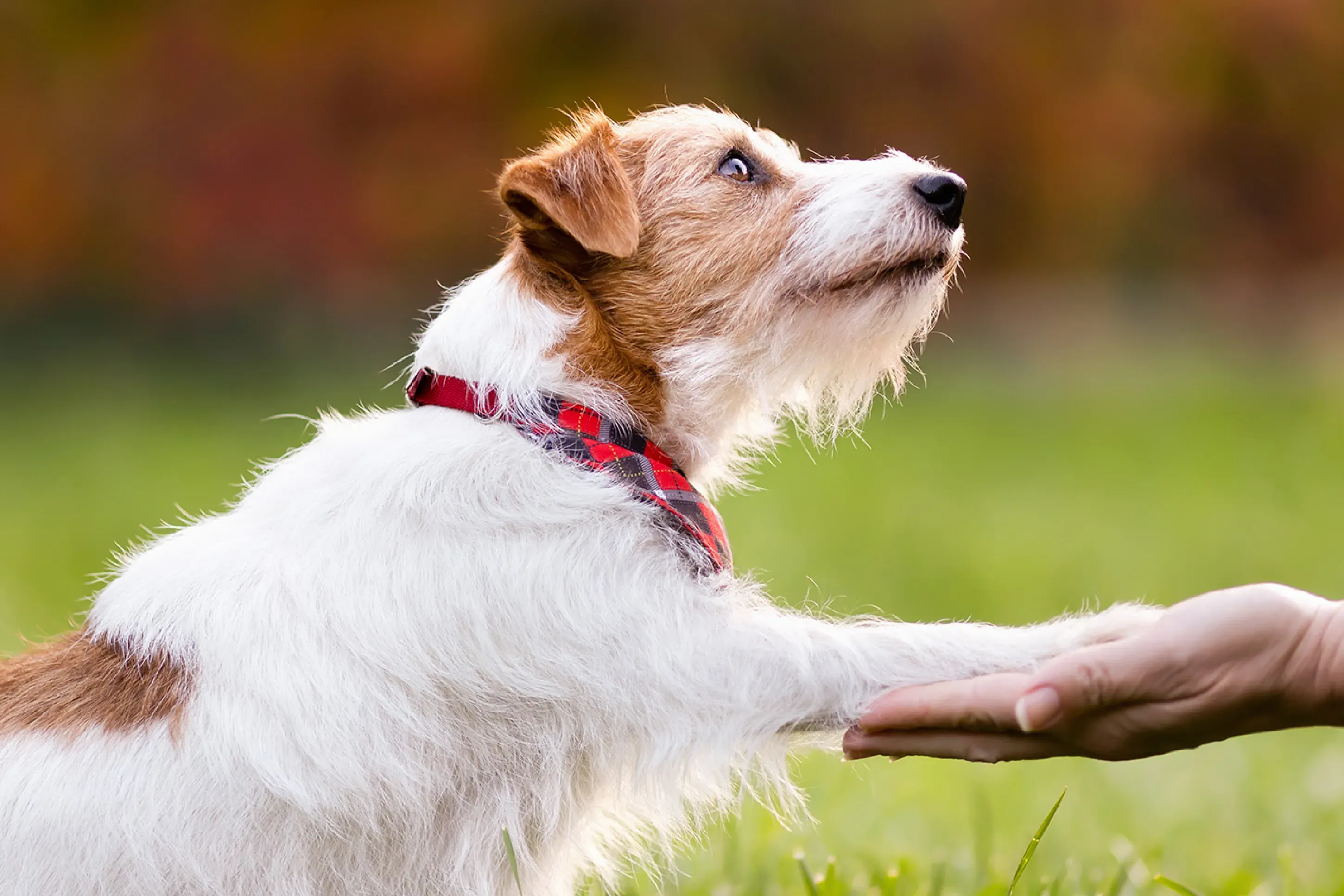
To solve this issue, you need to manage the situation and train your dog to behave differently.
Managing the Situation
Management involves controlling the environment so your dog doesn’t have the opportunity to jump. This is especially important while your dog is still learning.
For example, if your dog jumps on visitors, you can:
- Place your dog in their crate before guests arrive.
- Confine them in another room.
- Keep your dog on a leash and ask them to sit as the guest enters. Reward them for staying calm.
These steps prevent jumping while your dog learns the correct behavior.
Training Your Dog Not to Jump
The key to training is consistency. Your dog should learn that jumping results in no attention, while calm behavior is rewarded.
Teach Incompatible Behaviors
Dogs can’t sit and jump at the same time. Use this to your advantage:
- Ignore your dog when they jump. Turn away and only give attention when all four paws are on the floor.
- Reward your dog for sitting instead of jumping.
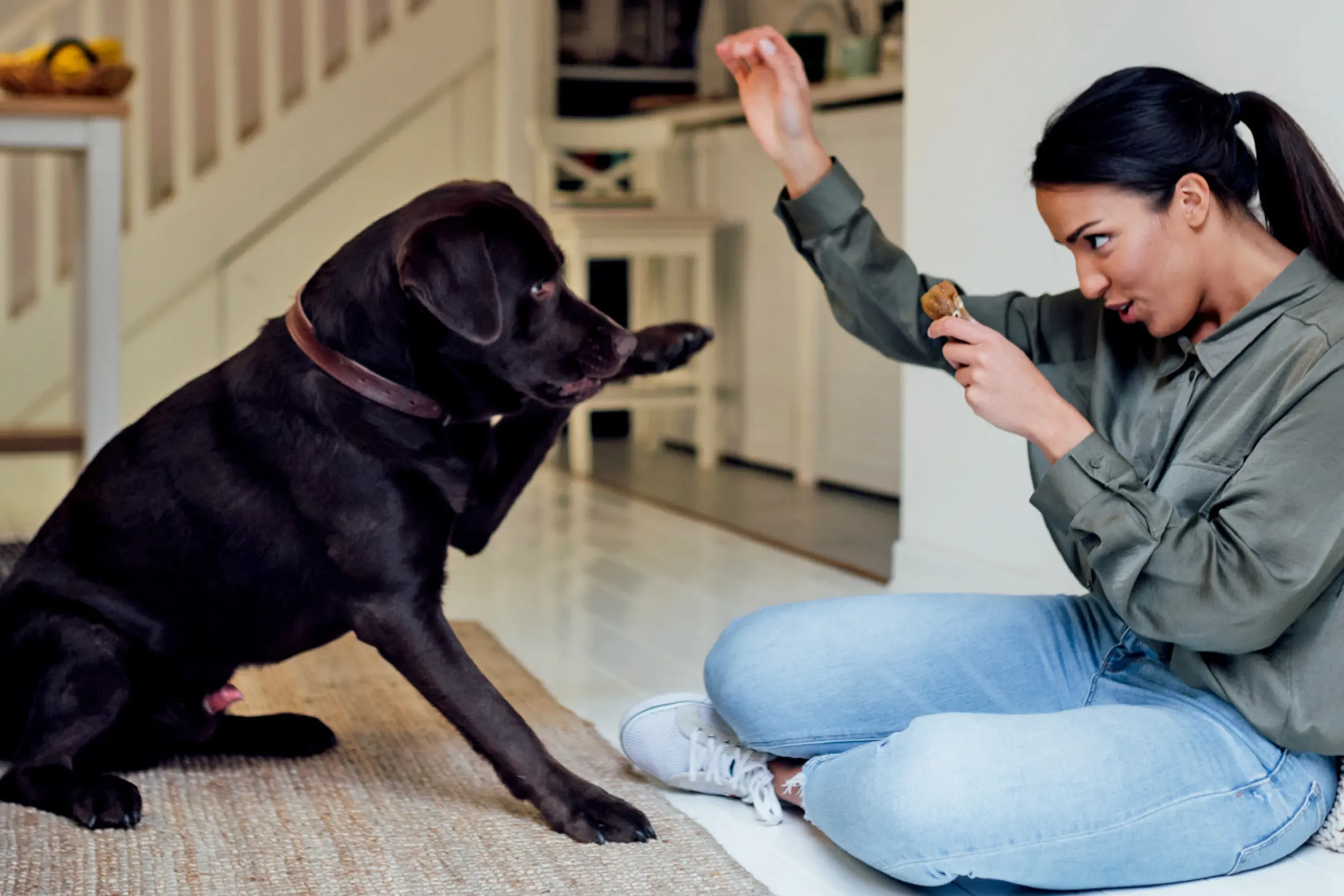
Consistency is crucial. Everyone in your household must follow the same rules. If jumping is sometimes allowed, your dog will become confused.
Training Techniques for Common Scenarios
When Your Dog Jumps on Other People
- Ask a family member or friend to assist with training. Choose someone your dog likes and wants to greet.
- Give your dog the “sit” command.
- Have the greeter approach. If your dog stands up, the greeter should turn and walk away.
- Repeat the “sit” command and have the greeter approach again.
- Continue until your dog remains seated as the greeter approaches.
- Reward your dog with a treat if they stay seated.
When encountering someone while walking your dog:
- Politely ask the person not to approach if they might encourage jumping.
- Have a treat ready to reward your dog for staying seated.
- Ask your dog to “sit” before allowing the person to pet them.
Even if someone says they don’t mind your dog jumping, stay consistent. If you don’t want your dog to jump, stick to the training plan.
When Your Dog Jumps on You at the Door
- Keep greetings calm and low-key.
- If your dog jumps, ignore them. Turn and walk out the door.
- Repeat this process until your dog learns that they only get attention when all four feet are on the floor.
When Your Dog Jumps on You While You’re Sitting
- Stand up and ignore your dog. Do not talk to or push them away.
- Wait until all four paws are on the ground before giving attention.
Final Thoughts
Stopping your dog from jumping requires patience, consistency, and positive reinforcement. By managing the environment and training your dog to perform incompatible behaviors—like sitting—you can eliminate this unwanted habit.