
A reliable “stay” command is a cornerstone of good dog manners, proving invaluable beyond the competitive obedience ring. Whether for everyday situations like grooming, answering the door, or carrying groceries, or for advanced dog sports, a solid stay enhances your dog’s responsiveness and your daily life. While many owners find this command challenging, a systematic approach can help your dog achieve a rock-solid stay. This guide will walk you through the process, ensuring your dog learns to hold their position until released.
Understanding the “Stay” Command and Release Cues
Unlike a “wait” cue, which implies a temporary pause, “stay” signifies holding a specific position until explicitly released. Ideally, your dog should maintain their position for extended periods, even when you step away briefly. The release cue is the signal that tells your dog the behavior is over and they are free to move. This cue can be applied to various behaviors, effectively building an automatic stay into any position your dog assumes. It is crucial to use your chosen release word consistently and exclusively to avoid confusion. Common release words include “okay,” “free,” or “release.” Be mindful that frequently used words like “okay” might inadvertently trigger a release if not used with care.
Teaching the Release Cue
The foundation of a successful stay is teaching your dog what their release word signifies. Start with simple steps:
- Initiate a “sit” or “down” command.
- After one second, calmly present a treat and say your release word.
- Encourage your dog to move by walking away or clapping your hands, and praise them once they do.
- Repeat this process until your dog reliably understands that the release word means they can move. This initial step is critical for building confidence and clarity.
Gradually Increasing Duration
Once your dog understands the release cue, you can begin incorporating duration, one of the “three Ds” of training (duration, distance, and distraction). For this stage, keep distractions minimal and remain close to your dog. Introduce the “stay” cue and hand signal simultaneously:
- Ask your dog to “sit” or “lie down.”
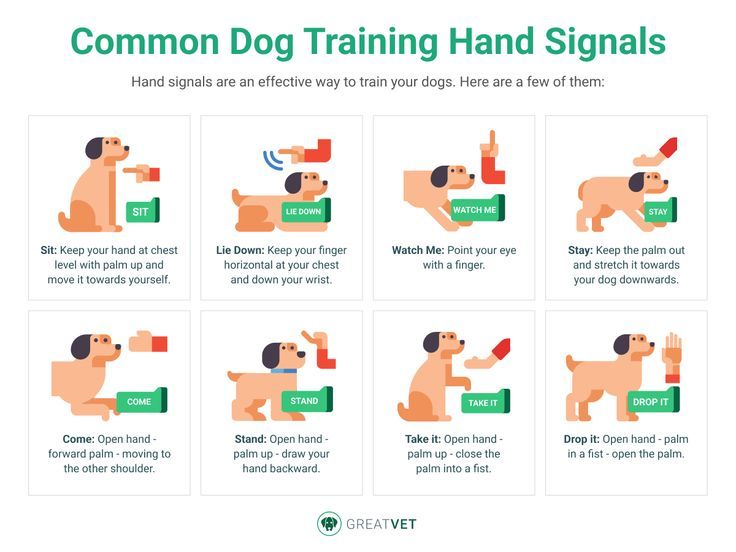
- Immediately follow with a “stop sign” hand gesture and the word “stay.”
- Wait one to two seconds, then calmly reward your dog with a treat.
- Release your dog and offer praise.
- Gradually increase the time you ask your dog to stay by a few seconds at each repetition.
- Once your dog can comfortably stay for 10 seconds or more, you can begin offering multiple treats during the stay. Remind them to stay with your cue and hand signal periodically.
It’s important to manage expectations and avoid rushing the process. Rewarding the “stay” itself, rather than the release, is key to reinforcing the desired behavior. If using a clicker, click during the stay before delivering the reward, but refrain from clicking upon release. This helps prevent the clicker from signaling the end of the behavior.
Troubleshooting Common “Stay” Issues
Body language plays a significant role when teaching “stay.” Avoid movements that might inadvertently lure your dog from their position. If your dog breaks their stay, avoid punishment. Instead, re-evaluate your training steps, potentially reducing the duration or distance requested, and repeat the cues calmly. Ensuring your dog is set up for success by not asking for too much too soon is paramount.
Introducing Distractions and Distance
Only introduce distractions and distance once your dog can reliably hold a stay for at least 30 seconds. Start with mild distractions, such as clapping your hands, and gradually progress to more significant ones, like tossing a ball. As you introduce distractions, be prepared to reduce the duration expectation initially. Once your dog can maintain a stay with distractions, you can slowly reintroduce duration.
To build distance:
- Ask your dog to stay, then take a single step back.
- Immediately return to your dog, reward them, and then release them.
- Gradually increase the number of steps you take back, always returning to reward before releasing.
- Continue this process until you can walk to the edge of the room.
Always return to your dog to deliver the reward and release them. Releasing them from a distance can lead to confusion and may inadvertently teach them that approaching you is the release cue. Once your dog is proficient with duration, distance, and distractions independently, you can begin combining them, gradually increasing the challenge by leaving the room or moving outdoors. Patience and slow, consistent progress will lead to a reliable “stay” command in any situation.
For those looking to deepen their understanding of dog training and care, resources like AKC’s Pupdate newsletter offer personalized advice for puppies. Subscribe to Pupdate for weekly tips tailored to your puppy’s breed and age.