
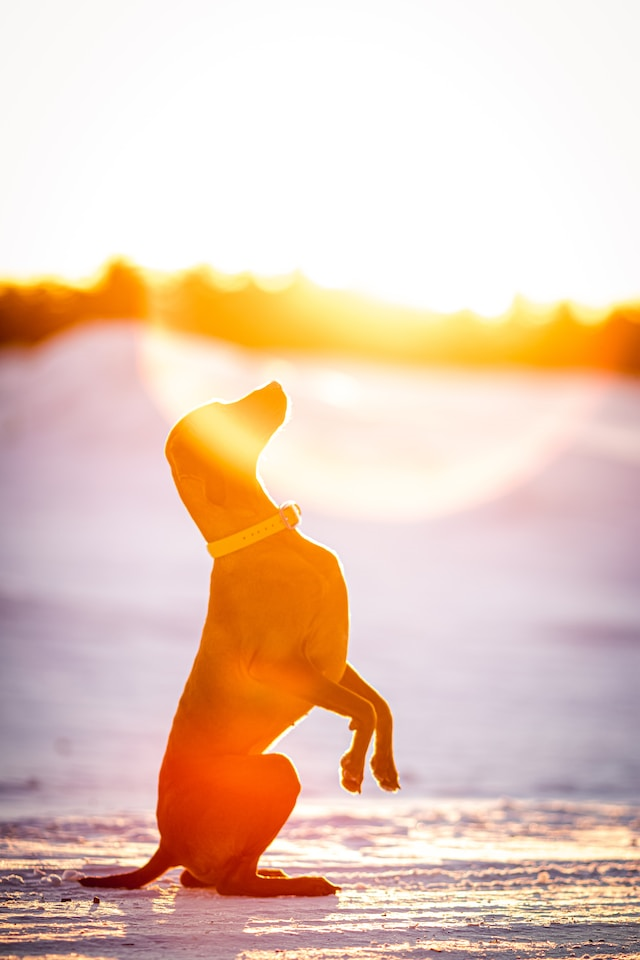
Dogs jump for a variety of reasons: intense excitement, a desire for attention, or simply because they haven’t been taught a better way to greet people. While a fuzzy puppy jumping up might seem adorable, this behavior quickly transitions from a cute habit to a serious nuisance as the dog grows. More importantly, jumping can be dangerous, leading to scratches, bruises, or even knocking over children and elderly individuals.
At Dog Care Story, we believe that solving behavioral issues like jumping requires a dual approach: proactive management of the environment and consistent positive reinforcement training. By understanding why your dog jumps and providing them with an alternative behavior, you can ensure polite greetings for everyone.
Proactive Management Strategies
Management involves controlling your dog’s environment to ensure they do not have the opportunity to practice jumping while they are still in the learning phase. Until your dog is fully trained, use these techniques to prevent the habit from becoming ingrained:
- Crate Training: If you know guests are arriving, put your dog in their crate before the doorbell rings to keep the initial greeting calm.
- Safe Confinement: Place your dog in a separate room with a high-value toy or bone when visitors come over.
- Leash Restraint: Keep your dog on a leash during introductions. Step on the leash or hold it short enough so they cannot physically jump, then reward them for remaining in a “sit” position.
These management steps ensure safety and prevent your dog from being rewarded by the very attention they are seeking through jumping.
Core Training Principles
The secret to stopping jumping is teaching your dog that four paws on the floor is the only way to receive affection. You must also teach a “replacement behavior”—something the dog does instead of jumping. Since a dog cannot sit and jump at the same time, the “sit” command is your most powerful tool.
Consistency is the golden rule. If one family member allows jumping while another forbids it, the dog will become confused and the behavior will persist. Everyone in the household must ignore the dog when they jump and only offer pets and praise when the dog is sitting or standing with all four paws on the ground.
Effective Training Techniques
Jumping on Other People
Training for this scenario requires a helper. Choose someone your dog likes and wants to greet. Do not use someone who scares your dog, as the greeting should be a positive experience.
- Preparation: Have your dog in a “sit” position while the helper stands at a distance. (Note: This requires your dog to have a solid understanding of the “sit” command.)
- The Approach: Your helper should approach slowly. If your dog stands up or tries to jump, the helper immediately turns their back and walks away.
- Repeat: Ask your dog to “sit” again. Have the helper approach once more.
- Reward: Repeat this until your dog remains seated as the person reaches them. If your dog stays calm and seated, the helper can provide a treat as a reward.
When walking in public, be sure to advocate for your dog’s training. Stop strangers from approaching by explaining your training goals. Ask your dog to “sit,” then tell the stranger they can pet your pup as long as they stay seated. Do not be afraid to say “No, thank you” if someone encourages your dog to jump.
Jumping on You at the Door
If your dog jumps as soon as you walk through the door, keep your greetings quiet and low-key to lower their arousal levels.
- Ignore the Jump: If your dog jumps on you, do not speak to them or push them away. Instead, turn around and walk back out the door.
- The Re-entry: Wait a moment, then try entering again. You may need to do this dozens of times before your dog understands that the only way to get your attention is by keeping all four feet on the floor.
Jumping on You While Seated
If you are sitting and your dog jumps up, simply stand up. Avoid talking to your dog or pushing them away with your hands, as this is often perceived as a form of play or attention. Stand still and ignore the behavior until all four feet are on the ground.
Summary of Solutions
| Scenario | Recommended Action | Goal |
|---|---|---|
| New Guests | Use a crate or leash. | Manage the environment. |
| Greeting People | Practice “Sit” for pets. | Replace jumping with sitting. |
| Coming Home | Ignore and walk back out. | Reduce excitement and teach patience. |
| While Seated | Stand up and ignore. | Remove the reward (attention). |
Stopping jumping is about clarity and patience. By consistently rewarding the right behaviors and removing attention during the wrong ones, your dog will soon learn that polite greetings are the fastest way to get the love they crave. For professional help with your dog’s training journey, contact your local certified dog trainer today.
References
- Humane World for Animals: Crate Training 101.
- Positive Reinforcement Training: Training with Rewards.
- Dog Training Protocols: Standards for managing jumping behaviors in domestic canines.