
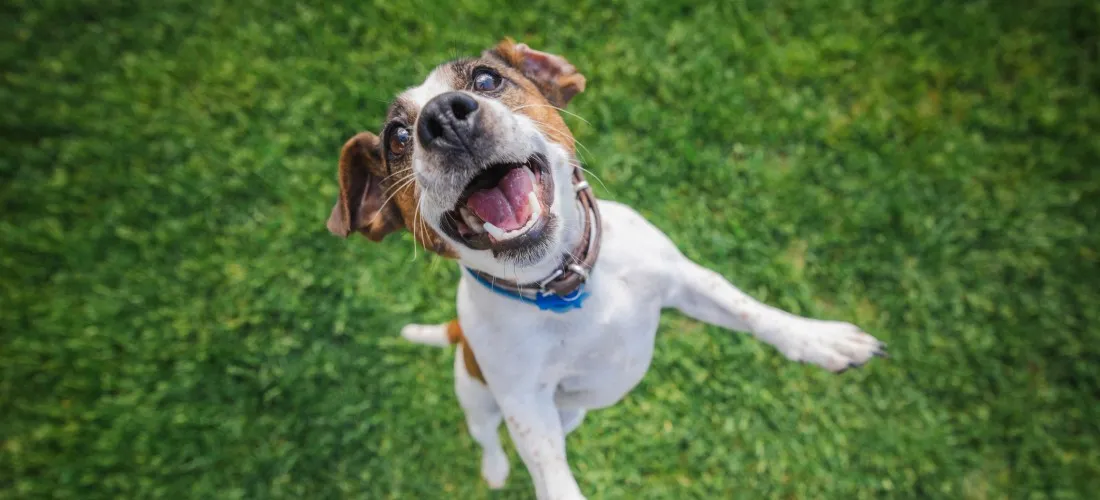
Dogs jumping up to greet their owners or visitors may look adorable in movies, but in reality, this behavior can be bothersome and even dangerous. Jumping is a natural instinct for dogs, often used to express excitement, seek attention, or greet someone. However, it’s important to train your dog to stop this habit for the safety and comfort of everyone involved.
This guide explores why dogs jump, effective training techniques to prevent it, and common mistakes pet owners make. By understanding the root causes and applying consistent, positive reinforcement, you can teach your dog to greet people calmly and politely.
Why Do Dogs Jump on People?
Dogs jump for various reasons, and recognizing these motivations is the first step in addressing the behavior.
Greeting
Dogs often jump to excitedly greet their owners or visitors. This is their way of saying, “I’m so happy to see you!” Whether it’s when you walk through the door or during a walk, jumping is a natural expression of their enthusiasm.
Seeking Attention
Dogs crave human attention, even if it’s negative. If your dog jumps on you to signal hunger or the need to go outside, they may see any reaction—even pushing them away—as a form of attention. This reinforces the jumping behavior.
Poor Training
Without consistent training, dogs won’t understand that jumping is unacceptable. For example, if you allow your dog to jump on you but not on others, the mixed signals can confuse them and perpetuate the habit.
Behavioral Issues
In some cases, jumping may stem from underlying behavioral problems, such as anxiety or aggression. If this is the case, professional help from a trainer or veterinarian may be necessary to address the root issue.
Vet-Approved Training Techniques
Training your dog to stop jumping requires time, patience, and consistency. Before diving into techniques, consider the following:
- Decide on the desired greeting behavior: What do you want your dog to do instead of jumping? Common alternatives include sitting, going to a designated spot, or playing with a toy.
- Choose the most appealing reward: Positive reinforcement is key. Determine whether your dog responds best to treats, verbal praise, or physical affection.
- Introduce the new behavior gradually: Since jumping is natural, it will take time for your dog to replace this habit with a new one.
- Train consistently: Ensure everyone in your household participates in the training. Inform guests about your efforts so they can reinforce the desired behavior.
Here are some effective training techniques:
Ignore and Turn Away
Ignoring your dog when they jump removes the attention they seek. This means avoiding eye contact, touching, or speaking to them. While it may be challenging at first, your dog will eventually stop jumping when they realize it no longer gets them attention.
Steps:
- When your dog jumps, turn your back and avoid all interaction.
- Once your dog stops jumping and all paws are on the floor, reward them with attention or a treat.
Teach an Alternative Behavior
If your dog already knows the “sit” command, you can use it as an alternative to jumping.
Steps:
- Put a leash on your dog and secure it to a doorknob or another stable object.
- Give the “sit” command. If your dog obeys, approach and reward them immediately.
- If your dog stands up before you reach them, walk away and repeat the command.
- Practice consistently until your dog associates sitting with greetings.
Redirect
Redirecting your dog’s energy to another activity can prevent jumping. For example, when someone arrives at the door, command your dog to fetch their favorite toy. Practice this technique with family members first, then with guests.
Separate Your Dog from the Greeting Area
Physical separation can help discourage jumping. Before guests arrive, place your dog behind a gate or in another room. This prevents them from jumping on visitors while still allowing them to observe and learn appropriate behavior.
Training Puppies vs. Adult Dogs
Puppies
Starting training early is ideal. Puppies don’t yet have ingrained habits, making it easier to teach them the correct way to greet people. Use plenty of positive reinforcement and consistency to shape their behavior.
Adult Dogs
Adult dogs may have established habits, which can make training more challenging. However, with patience and persistence, even adult dogs can learn to stop jumping. The key is consistency and positive reinforcement.
Common Mistakes Owners Make
Even well-intentioned pet owners can accidentally reinforce jumping behavior. Here are some common pitfalls to avoid:
- Inconsistent responses: Allowing your dog to jump on some people but not others sends mixed signals. Consistency is crucial for effective training.
- Unintentionally rewarding jumping: Any attention, even negative reactions like saying “Stop jumping!”, can reinforce the behavior. Ignore jumping completely to avoid rewarding it.
- Using punishment-based techniques: Yelling or physical punishment can worsen fear or aggression. Always use positive reinforcement instead.
Practice Scenarios for Home and Visitors
To ensure your dog learns the desired behavior, practice in various settings. Start at home with family members, then gradually introduce guests. This helps your dog generalize the behavior to different environments, such as during walks or at the dog park.
Be Patient and Persistent
Jumping is a natural behavior for dogs, but with consistent training, it can be managed. Choose a technique that works for you and your dog, and stick with it. Over time, your dog will learn to greet people calmly and politely.
With structured guidance and positive reinforcement, your dog will replace jumping with the behavior you prefer. Stay patient, empathetic, and persistent—your efforts will pay off!