
Teaching your dog to walk calmly on a lead is one of the most important foundations in everyday dog training. The goal is simple: help your dog understand that staying close to you without pulling is the quickest and most rewarding way to reach what they want. Using consistency, patience, and positive reinforcement, you can gradually build this behavior into a habit that makes walks safer and more enjoyable for both of you.
This approach to training your dog focuses on communication rather than force. Instead of reacting to pulling, you guide your dog to make better choices and reward them when they succeed. Over time, your dog learns that calm walking brings better outcomes than rushing ahead.
The techniques below are based on proven, reward-based methods commonly used in professional dog training programs and are suitable for puppies and adult dogs alike.
Teach Your Dog to Walk Without Pulling
Start by building your dog’s understanding of attention and reward before expecting perfect walking behavior.
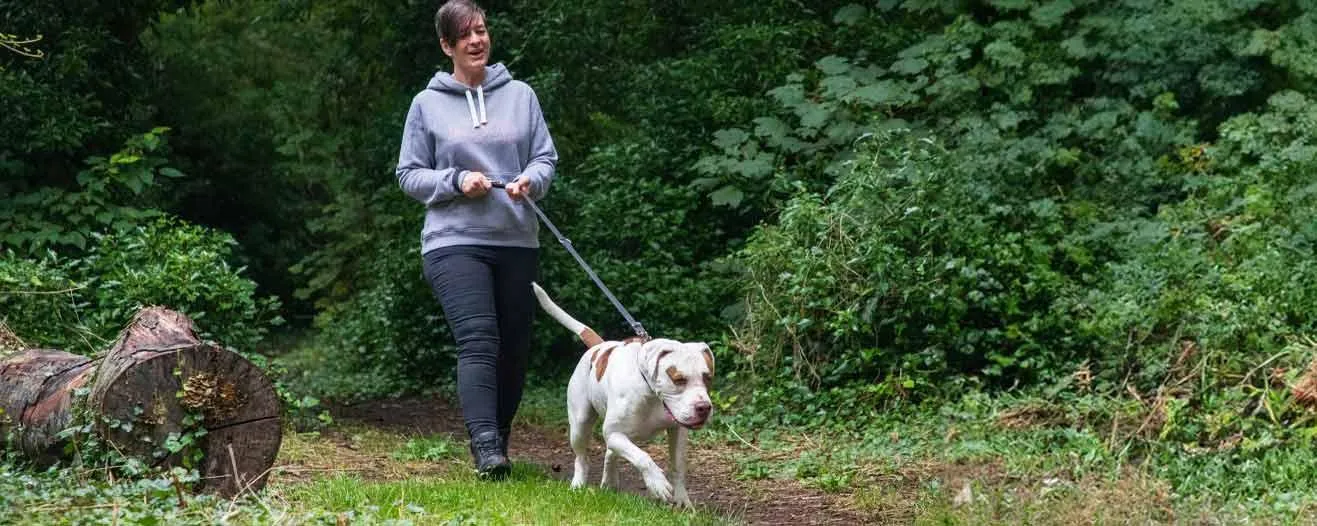
Begin in a low-distraction environment where your dog can focus more easily on you. Stand still and allow your dog the full length of the lead. When your dog is not paying attention, remain still and quiet. The moment they glance back or show awareness of you, reward them immediately with praise or a treat.
Once your dog consistently checks in with you, start moving forward. Use a cheerful voice and treats to encourage them to stay close. Every time the lead remains loose, reward that behavior. This helps your dog associate walking near you with positive outcomes.
If your dog moves too far ahead and tightens the lead, stop immediately. Stay still and wait until they return attention to you. Only continue walking when the lead is loose again. Repeating this consistently teaches your dog that pulling does not speed things up.
Gradually practice this in short, frequent sessions rather than long walks. Consistency is more effective than duration in early training stages.
Managing Distractions During Training
Distractions are one of the main reasons dogs begin to pull, especially when they see something exciting like other animals, toys, or new smells.
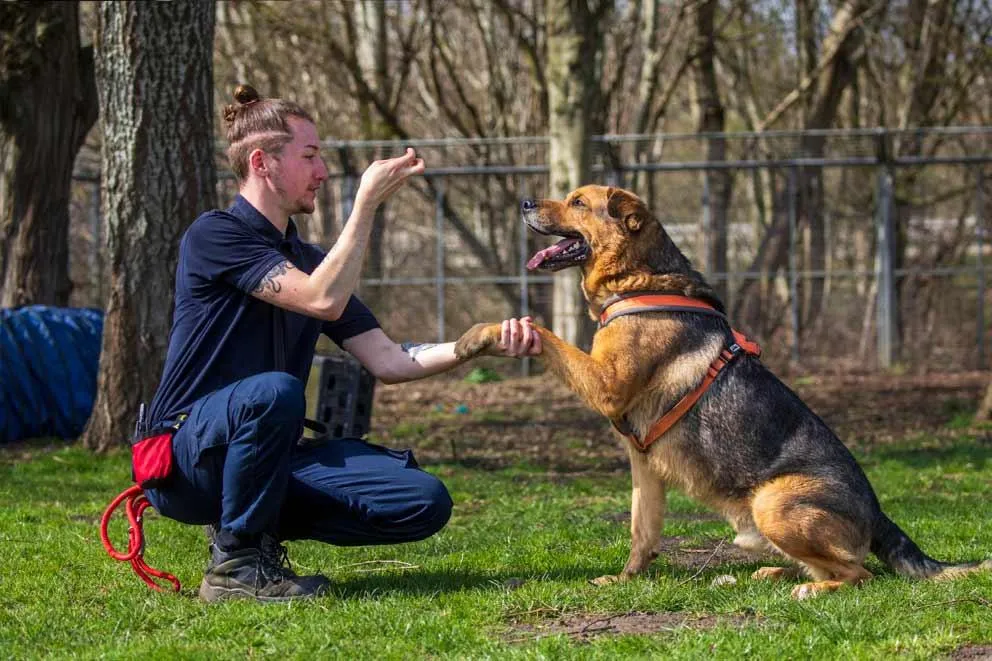
To practice impulse control, place a tempting object on the ground, such as a toy. If your dog pulls toward it, stop moving and wait. Call your dog back to you and only allow them to reach the object when the lead is loose. This reinforces the idea that calm walking leads to rewards.
Short training sessions are especially effective in distracting environments. Over time, gradually increase the level of difficulty as your dog improves.
Extra Training Tip for Better Results
Make yourself more interesting than the environment around you. Use praise, treats, and an upbeat tone of voice to encourage your dog to stay close. If walking near you feels rewarding, your dog will naturally choose to remain by your side instead of pulling ahead.
Consistency is key. Every walk is an opportunity to reinforce good behavior, so avoid allowing pulling even “just this once,” as it can confuse your dog and slow progress.
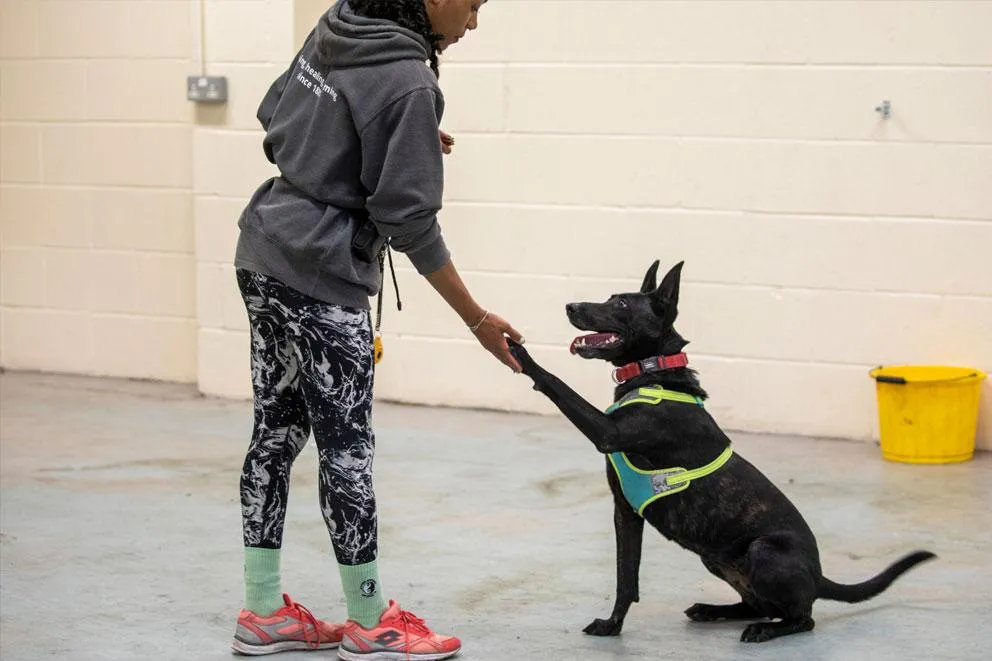
Training sessions should remain positive and engaging. End each session on a success, even if it’s just a short period of loose-lead walking.
Conclusion
Loose-lead walking is built through repetition, patience, and clear communication. By consistently stopping when your dog pulls and rewarding calm walking, you teach them that staying close is always the best choice. Over time, these habits become natural, making daily walks more relaxed and enjoyable.
If you continue to struggle or want more structured guidance, consider working with a qualified professional dog trainer who can tailor techniques to your dog’s specific needs.
References
- RSPCA – Training your dog: https://www.rspca.org.uk/adviceandwelfare/pets/dogs/training
- RSPCA – Lead walking guidance and dog behaviour resources: https://www.rspca.org.uk/adviceandwelfare/pets/dogs