
Dog training for jumping is one of the most common challenges pet owners face, and if your dog greets every visitor like a pogo stick, you’re not alone. Dogs jump for all kinds of reasons — excitement, a bid for attention, or simply not knowing what else to do when they see a person they love. It’s an instinctive, friendly gesture from your dog’s point of view, but it can leave humans scratched, startled, or even knocked over.
If you’re wondering how to train a dog not to jump, the honest truth is that we humans are often to blame. A wiggly puppy jumping up for a hug is adorable, so we reward it with attention and affection. The problem is that cute behavior in a ten-pound puppy becomes a genuine hazard once that same dog weighs seventy pounds. A child or an elderly visitor can be seriously hurt by an enthusiastic jumper, which is why addressing this habit early — or correcting it in an adult dog — matters for everyone’s safety.
Solving jumping behavior requires two things working together: managing the situation so your dog doesn’t get the chance to practice the habit, and training your dog to offer a better behavior instead.
Managing the Situation
Management means controlling your dog’s environment so jumping simply isn’t an option while training is still in progress. This is a crucial piece of dog behavior training that people often skip, and it’s why so many training attempts stall out.
Take the classic scenario of a dog who jumps on visitors. Before your guest arrives, you have a few management options:
- Put your dog in their crate.
- Confine them in another room until introductions can happen calmly.
- Keep your dog on a leash and ask them to sit as the guest enters, rewarding calm behavior right away.
These steps aren’t a permanent fix, but they buy you time. They stop your dog from rehearsing the jumping habit while you work on real obedience training in the background.
Teaching an Incompatible Behavior
The core of any effective jumping-dog training plan is teaching your dog that jumping earns nothing — no eye contact, no touch, no words. Turn your back and only offer affection once all four paws are on the floor.
Next, give your dog something better to do. Teaching a dog to sit for greetings works because sitting and jumping are physically incompatible; a dog can’t do both at once. If your dog isn’t sitting, they simply don’t get attention.
Consistency is the single most important rule in this entire process. Every member of your household — kids included — has to follow the same approach every time. Allowing your dog to jump on some people but not others sends a confusing, contradictory message that undermines all your hard work.
Training Techniques for Common Jumping Scenarios
When Your Dog Jumps on Other People
- Recruit a family member or friend your dog already likes to help with training. Never force a nervous dog to greet someone they’re afraid of.
- Ask your dog to sit (this assumes they already know the “sit” cue).
- Have your helper approach. If your dog pops back up, the helper immediately turns around and walks away.
- Cue “sit” again and repeat the approach.
- Keep going until your dog stays seated as the person walks up.
- Once your dog holds the sit, the helper can offer a small treat as positive reinforcement.
Out on walks, you’ll need to manage and train simultaneously:
- Politely stop the approaching person and explain you’re working on not letting your dog jump.
- Have a treat ready in hand.
- Ask your dog to sit.
- Let the person pet your dog and deliver the treat only while your dog stays seated.
Plenty of people will insist they don’t mind a jumping dog, especially with a small or fluffy pup. Stick to your training anyway. Consistency is what makes this work, so it’s fine to politely decline a greeting if someone is encouraging the exact behavior you’re trying to eliminate.
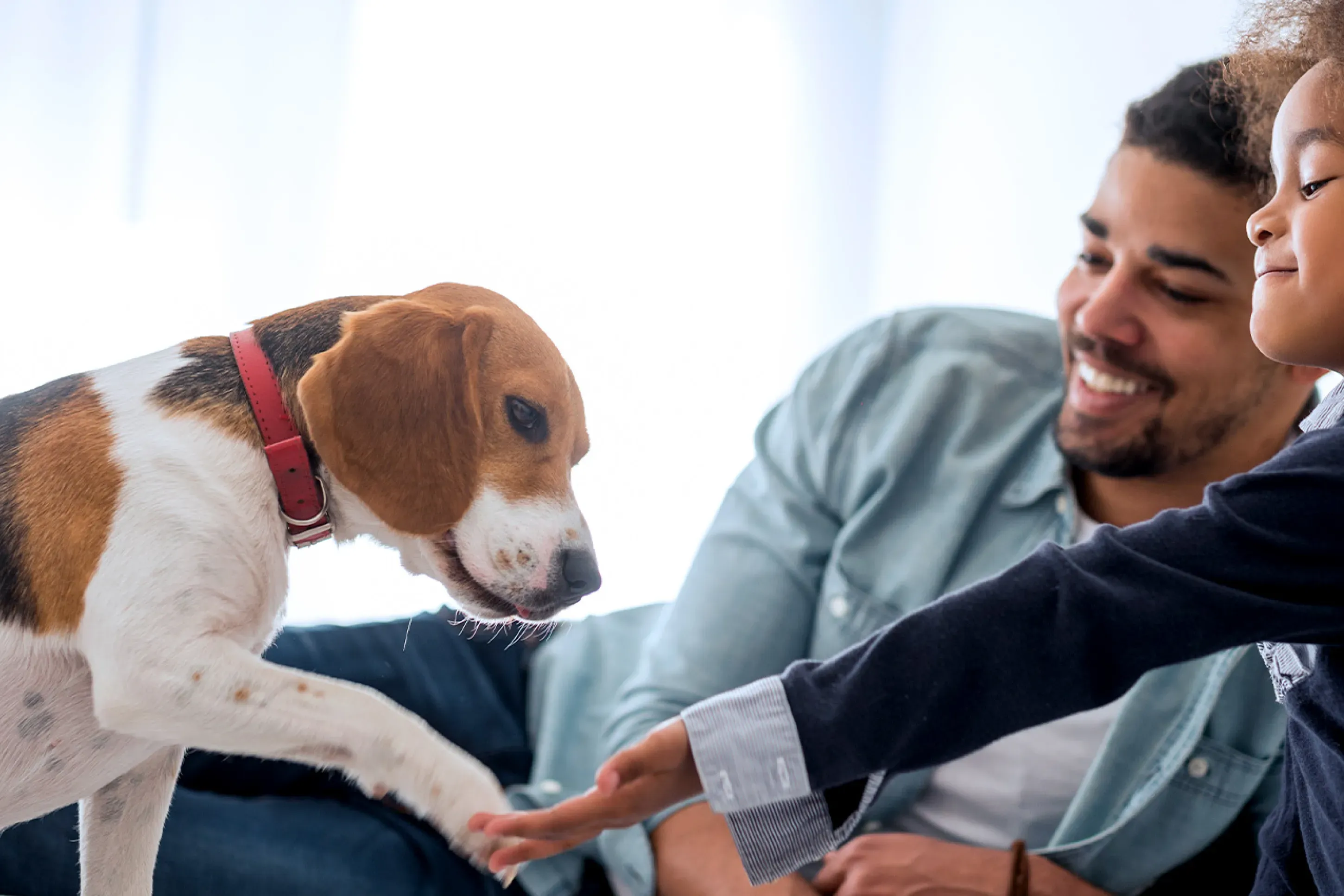
When Your Dog Jumps on You at the Door
- Keep your homecoming low-key and quiet rather than excited.
- If your dog jumps as you walk in, ignore them completely — even turn around and step back outside.
- Try again, and again if needed. Some dogs need dozens of repetitions before they understand that calm, four-on-the-floor behavior is what earns your attention.
When Your Dog Jumps on You While You’re Sitting
If your dog leaps onto the couch or your lap uninvited, simply stand up. Don’t speak to them or push them away — both count as attention. Wait until all four paws are on the ground before reengaging.
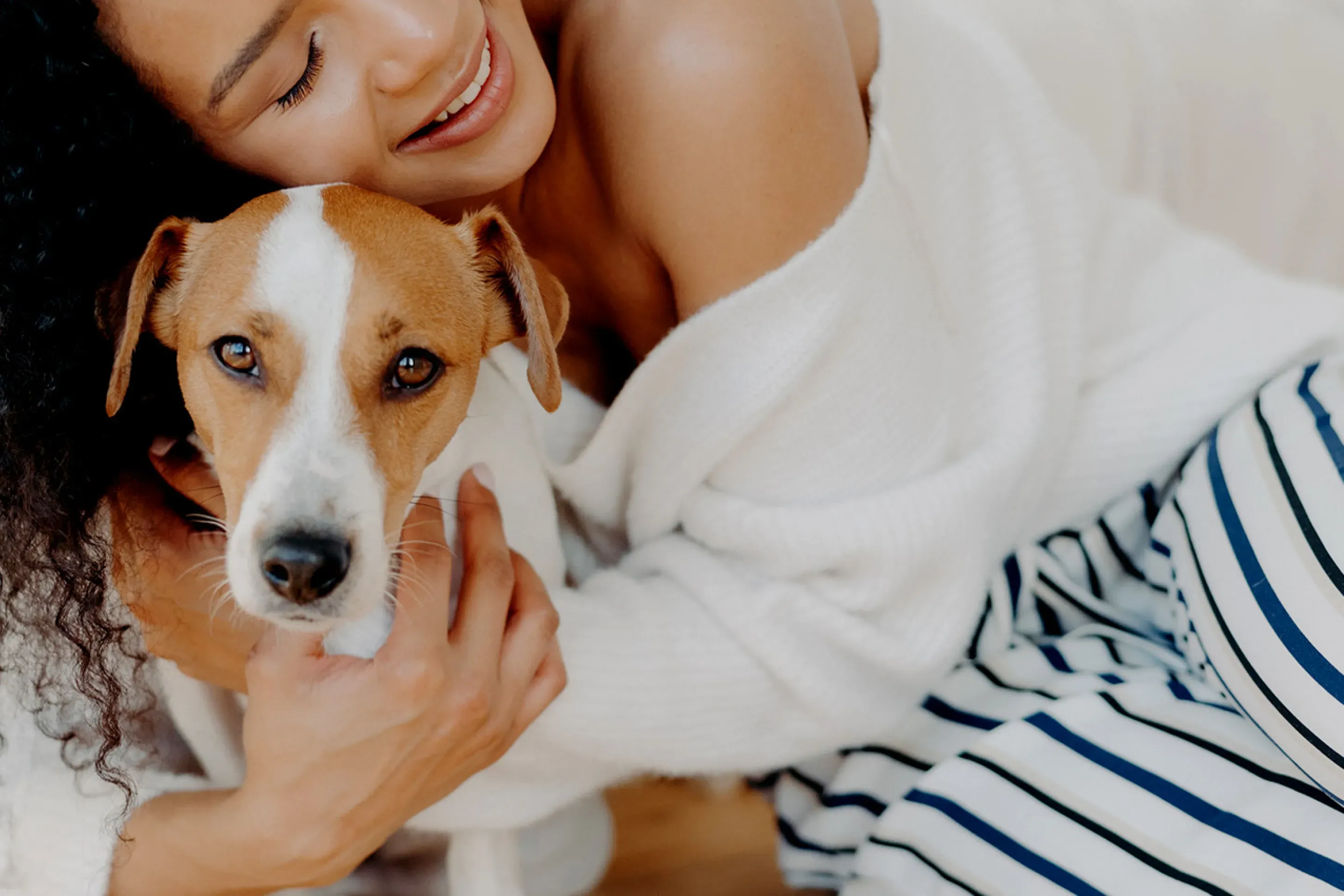
Building Lasting Good Habits
Jumping is rarely about a dog misbehaving out of spite — it’s an eager, if inconvenient, expression of affection. With patient, consistent training and a household that’s fully on board, most dogs learn within weeks that sitting politely gets them exactly what they wanted all along: your attention and affection.
If your dog also struggles with excitement around other dogs, not just people, the same principles of calm, structured introductions apply.
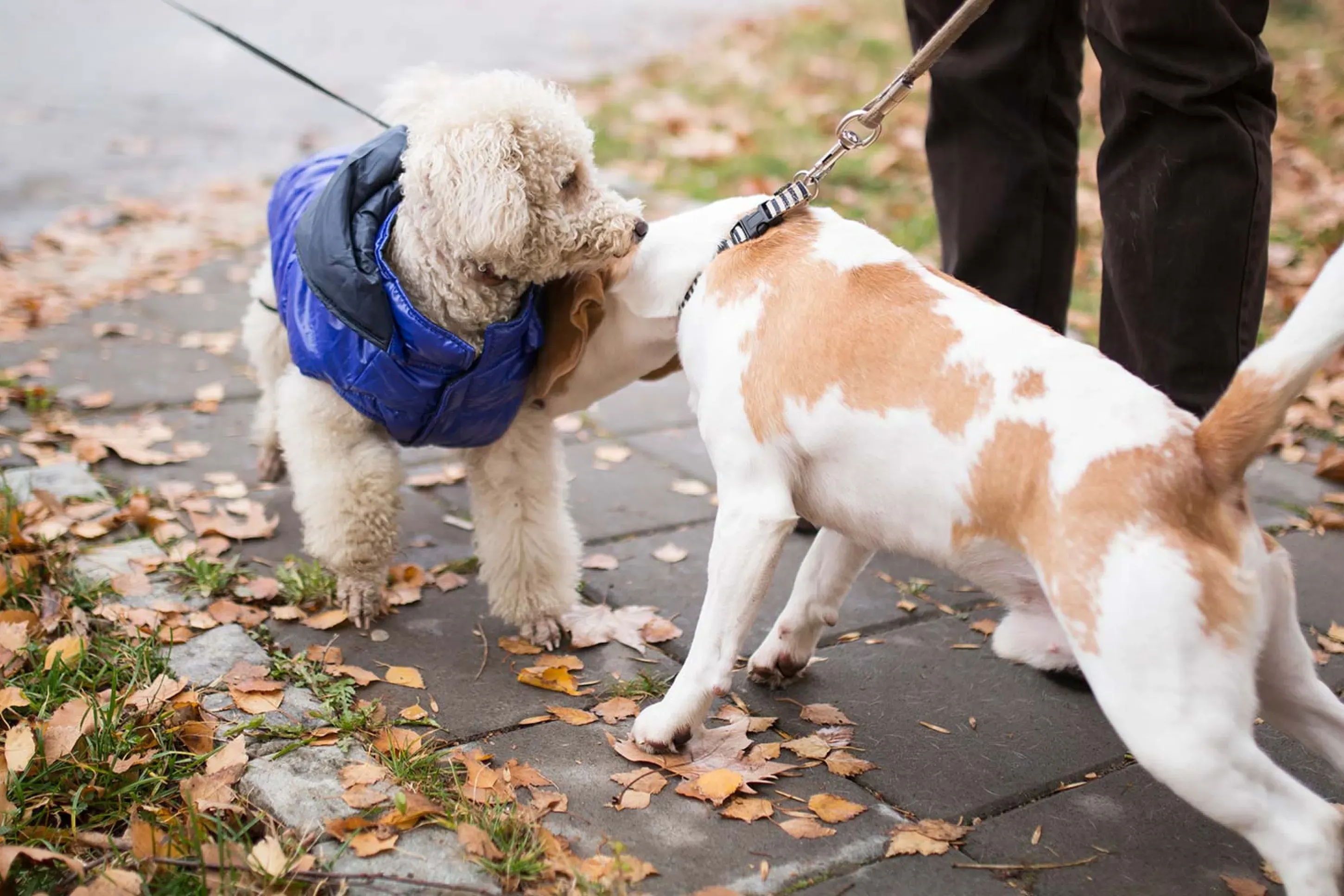
Start today with whichever scenario challenges you most — greeting guests, coming through the door, or settling on the couch — and apply the same rule every single time: four paws on the floor is what earns love and attention. Stay patient, stay consistent, and your dog will get there.