
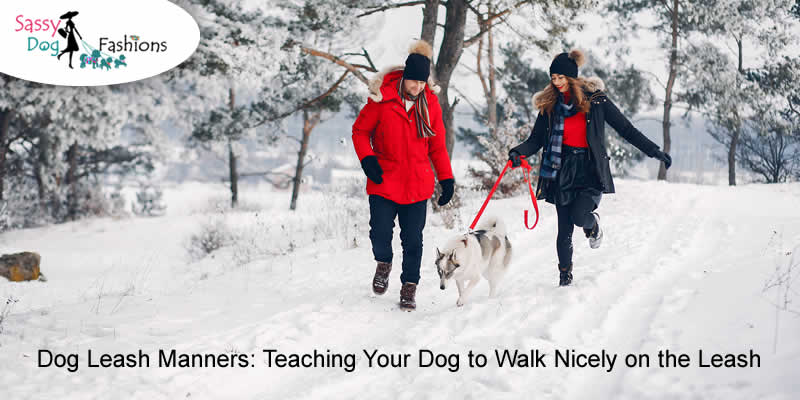
A walk is a fundamental experience for both you and your canine companion, offering a wealth of sensory exploration and mental stimulation for your dog. It also presents an excellent opportunity to reinforce training by teaching your dog to respond to cues amidst distractions. However, for many energetic dogs, a leisurely neighborhood stroll may not provide sufficient exercise. Unfulfilled energy can sometimes lead to undesirable behaviors like lunging or barking, especially if the dog has been confined for extended periods. To manage your dog’s energy levels effectively, incorporating a variety of mental and physical activities is crucial. This includes engaging in indoor games, supervised playdates with other dogs, and backyard fetch sessions.
The phrase “Let’s go!” can signify to your dog that they have some freedom to explore – walk ahead, lag behind, or move to your side, and even pause to sniff or relieve themselves – as long as the leash remains slack. The following steps will guide you in teaching your dog the rewarding behavior of walking politely by your side.
To effectively mark desired behaviors, choose a consistent verbal cue, such as “Yes!” or a clicker sound from a pet store device, to signal that a reward is imminent.
- Begin with your dog sitting beside you, holding the leash in one hand and enticing treats concealed in the other. Ensure the leash is loose enough to remain slack if your dog moves slightly ahead or to the side.
- Start walking while cheerfully saying, “Let’s go!” As your dog begins to move with you, immediately say “Yes!” (or click) and offer a small, tasty treat near your knee. Initially, reward frequently, even with every step. Gradually decrease the frequency of treats as your dog becomes more attentive.
- As your dog masters this, start treating more randomly – perhaps after the fourth step, then the second, then the tenth. This prevents your dog from anticipating a reward at set intervals and encourages consistent attention. Avoid reducing rewards too quickly, as this can lead to frustration. It’s also vital to avoid pulling on the leash, which can cause anxiety and result in pulling.
Troubleshooting Polite Walking
The cornerstone of teaching polite walking is to avoid inadvertently rewarding pulling. This often happens when you allow your dog to pull forward to reach a desired scent or greet someone. The following techniques can help keep your training on course.
Navigating Distractions
When approaching a tempting distraction, such as another dog or an interesting smell, use a treat to briefly lure your dog past it. Employing tastier treats for more significant distractions can be highly effective. As your dog’s polite walking improves, the need for luring will diminish.
If your dog fixates on a distraction, you can use the “Watch” cue. The moment your dog notices something enticing, say “Watch” and entice their attention with a treat near their nose. Guide their gaze towards yours by bringing the treat hand up towards your face. A click of the tongue or a kissy sound can also encourage them to look at you. Once you have eye contact, say “Yes!” and treat while moving in the opposite direction of the distraction. For visual guidance, consider watching tips to teach Watch me.
Addressing Pulling Ahead
If your dog begins to pull ahead, and before the leash becomes taut, initiate a U-turn. Gently turn and walk in the opposite direction, announcing your change with a cheerful “Turn” or a kissy sound. When your dog turns to follow you, acknowledge this with a “Yes!” and offer a treat positioned behind your knee.
Managing a Tight Leash
If the leash becomes consistently tight, employ the “Be a tree” method. Stop walking and remain still without issuing any cues or corrections. Your dog will eventually become curious about the sudden halt and may look back or approach you. The moment the leash slackens, say “Yes!” and provide a treat behind your knee, encouraging them to return to your side to receive it.
If “Be a tree” proves insufficient, incorporate “Penalty yards.” If your dog continues to pull, slowly back away, applying gentle pressure on the leash to move your dog further from their intended target. This teaches them that pulling moves the desirable object further away. When the leash loosens, reward with a treat or allow them to proceed to the item they were interested in.
Supporting Your Dog’s Success
There will be occasions when time is limited, you are distracted, or your dog is overly energetic or overwhelmed by their surroundings, making successful training walks challenging for both of you. In these instances, using a humane walking tool, such as a Halti/gentle leader or a harness, can aid your dog’s success and prevent regression.
It’s also important to acknowledge that dogs are naturally inclined to sniff, and consistently denying them this opportunity can lead to frustration. Establish a cue, such as “Go sniff,” which grants your dog permission to investigate interesting scents, greet people, or interact with other dogs when appropriate.
Initially, keep training sessions brief (5 to 15 minutes) and aim to end on a positive note while both you and your dog are enjoying yourselves. Dogs flourish with positive reinforcement, repeating behaviors they find rewarding. By associating polite walking with rewards and opportunities to explore comfortably, your dog will learn to walk happily by your side.