
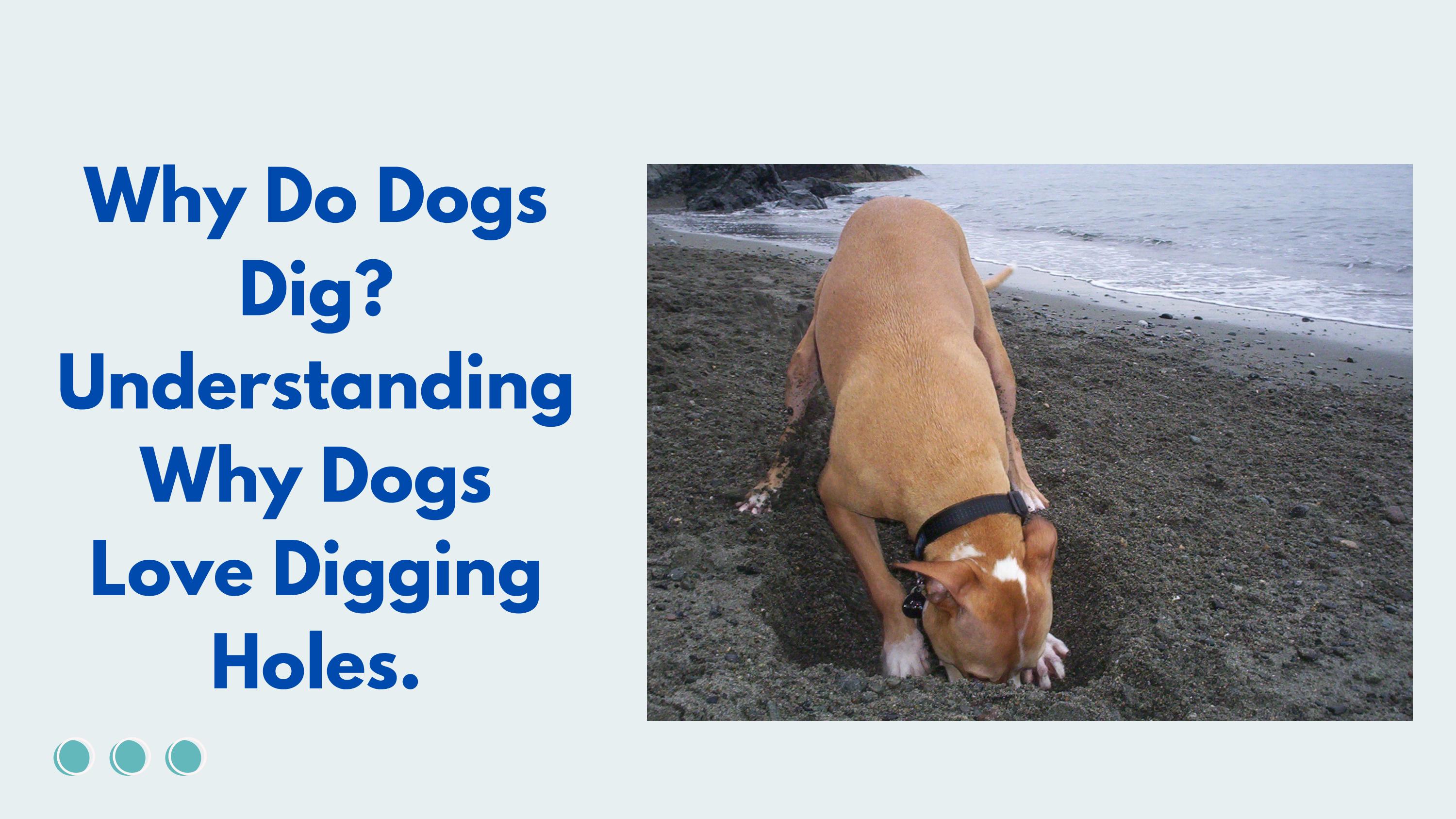
Does your backyard look like a construction zone? If your dog is digging up your garden, you’re not alone. Digging is a natural behavior for dogs, but it can be frustrating for pet owners who want a pristine yard. The good news is that by understanding the specific reason your dog is digging, you can find a humane and effective solution to manage the behavior.
Dogs dig for a variety of reasons, ranging from boredom and hunting instincts to seeking comfort or trying to escape. This guide will help you identify the root cause of your dog’s digging and provide practical, positive training strategies to address it.
Is Your Dog Digging for Entertainment?
One of the most common reasons dogs dig is simply because they are bored. For a dog, digging is a self-rewarding activity. The texture of the soil and the movement of roots can feel like a game—the ground literally “plays back.”
You might be dealing with a bored digger if:
- Your dog spends long periods alone in the yard without human companionship.
- The environment is barren, lacking toys or playmates.
- Your dog is a puppy or adolescent with excess energy to burn.
- You have a terrier or another breed specifically bred for digging.
- Your dog is an active breed (like a Husky or Border Collie) that needs a job to stay happy.
- Your dog recently watched you gardening and is mimicking the behavior.
Solutions for the Entertainment Digger
The best cure for boredom is enrichment. If your dog is digging for fun, you need to expand their world and increase their “people time.” Here’s how to redirect that energy:
- Increase Exercise: Walk your dog at least twice daily. Lack of physical activity is a leading cause of most behavioral issues. A tired dog is a well-behaved dog.
- Active Play: Engage your dog with interactive toys such as balls or flying disks. Aim for several short play sessions throughout the day.
- Mental Stimulation: Teach your dog new commands or tricks. Dedicate just 5 to 10 minutes each day to practice. Mental exercise is just as exhausting as physical exercise.
- Training Classes: Enroll in a training class. This not only teaches obedience but also strengthens your bond and provides essential socialization.
- Rotate Toys: When you can’t be outside, leave interesting toys in the yard. Stuff a Kong toy with treats or use a busy-box dog toy. Rotate these toys every few days to keep them novel and exciting.
Is Your Dog Hunting Prey?
Dogs have a strong prey drive. If your yard is home to burrowing animals or insects, your dog may be digging to catch them. This is instinctual and can be very difficult to stop without addressing the prey itself.
Digging is likely prey-related if:
- The digging is focused on a single area, rather than along the fence line.
- Holes are located at the roots of trees or shrubs.
- The holes follow a “path” layout, suggesting your dog is tracking movement.
Solutions for the Hunting Digger
To stop this type of digging, you must disrupt the hunting ground.
- Identify the Prey: Look for signs of moles, voles, gophers, or insects.
- Humane Exclusion: Use safe, humane methods to fence the animals out or make your yard unattractive to them.
Important Warning: Never use poison or toxic methods to kill burrowing animals. Anything that poisons wildlife can poison your dog as well. Always opt for humane deterrents.
Is Your Dog Digging for Comfort or Protection?
Sometimes, digging is a matter of survival and comfort. In hot weather, dogs will dig a hole to lie in the cool dirt, which acts as a natural air conditioner. In cold or windy weather, they may dig a den to shelter from the elements.
Your dog is digging for comfort if:
- Holes are located near building foundations, large shade trees, or a water source.
- Your dog’s outdoor shelter is too hot or too cold.
- You frequently catch your dog lying in the holes they dig.
Solutions for the Comfort Seeker
The solution here is simple: provide better comfort.
- Bring Them Inside: The safest place for a dog in extreme weather is inside your home.
- Improve Outdoor Shelter: If your dog must stay outside, ensure their shelter is insulated, protected from extreme temperatures, and has access to fresh, unfrozen water in a sturdy, untippable bowl.
- Create a Digging Zone: If your dog is still determined to dig for comfort, consider setting aside a specific “digging zone” in your yard (see instructions below) where they can fulfill this need safely.
Is Your Dog Digging for Attention?
Any behavior can become an attention-seeking behavior. If your dog learns that digging makes you come running (even if you are yelling), they will continue to do it to get a reaction from you.
This is likely the case if your dog digs primarily in your presence or if they generally have limited interaction with you.
Solutions for the Attention Seeker
- Ignore the Bad, Praise the Good: The most effective strategy is to ignore the digging behavior entirely. Do not yell or look at them. Instead, shower your dog with praise and treats when they are behaving well—what we call being a “good dog.”
- Increase Quality Time: Make sure your dog has enough structured walk and playtime with you daily. Often, attention-seeking digging stops when the dog’s need for interaction is met.
Is Your Dog Trying to Escape?
Dogs may dig to escape the yard to get to something (like another dog), to get somewhere (like a park), or to get away from something (like loud noises or stress). This type of digging is almost always focused along the fence line.
Solutions for the Escape Artist
First, figure out why your dog wants to leave. Are they lonely? Chasing a squirrel? Once you remove those incentives, you can secure the perimeter.
Here are ways to dog-proof your fence line:
- Bury Barriers: Bury chicken wire at the base of the fence, making sure to roll the sharp edges away from your yard.
- Use Landscaping: Place large rocks, partially buried, along the bottom of the fence line.
- Extend the Fence: Bury the bottom of the fence 1 to 2 feet below the surface.
- Create an Uncomfortable Border: Place chain-link fencing on the ground anchored to the bottom of the fence. This makes it uncomfortable for your dog to walk near the boundary.
- Behavior Modification: Work with your dog on training to reduce anxiety or reactivity that may be driving the escape attempts.
What Doesn’t Work (And Can Make Things Worse)
Regardless of why your dog is digging, there are two things you should never do:
- Don’t punish your dog after the fact. If you come home to a hole and scold your dog, they will not associate the punishment with the digging. It only creates fear and anxiety, which can lead to more digging.
- Don’t stake your dog near a hole or fill the hole with water. These methods are cruel and ineffective. They do not address the root cause of the behavior and damage the trust between you and your pet.
Next Steps: Creating a Designated Digging Zone
If your dog is a dedicated digger and you’ve tried addressing the underlying causes, sometimes the best solution is to give them an appropriate outlet. Creating a designated “digging zone” allows your dog to express their natural instincts without destroying your garden.
How to Set Up a Digging Zone
- Choose a Spot: Select a specific area of the yard. Cover it with loose soil or sand. You can also use a child-sized sandbox.
- Make it Attractive: Bury safe items in the zone for your dog to discover, such as toys, treats, or bones.
- Reward Success: When you see your dog digging in the designated zone, reward them with enthusiastic praise.
- Redirect Gently: If you catch your dog digging in an unacceptable area, interrupt the behavior with a loud noise (like clapping) and a firm “No dig.” Immediately take them to the digging zone and encourage them to dig there.
- Temporarily Block Off-Spots: Make the unacceptable digging spots unattractive by placing rocks, chicken wire, or plastic fencing over them temporarily until your dog gets into the habit of using their new zone.
If you have tried these strategies consistently and are still struggling to solve your dog’s digging problem, it may be time to manage the environment more strictly. Keep your dog indoors with you and only allow supervised bathroom breaks in the yard. For additional support, consider consulting a professional behavior expert who can help you tailor a plan to your dog’s specific needs.