
Dogs are beloved members of our families, but sometimes they have a knack for finding the quickest way out of the yard. Whether it’s a monthly, weekly, or daily occurrence, a dog that repeatedly runs away is a serious concern for any owner. Fortunately, there are effective strategies to keep your canine companion safe within your property and ensure you never lose them again. The smartest way to ensure you never lose them again involves a combination of training, environmental management, and modern technology.
Understanding Why Dogs Run Away
The urge for a dog to escape their yard can stem from a variety of factors, often a blend of their inherent temperament, energy levels, and natural instincts. Understanding these triggers is the first step in preventing escapes. Common reasons include:
- Fear or Anxiety: Loud noises, unfamiliar situations, or separation anxiety can cause a dog to panic and seek escape.
- Boredom: A lack of mental and physical stimulation can lead dogs to create their own “fun” by exploring beyond the fence.
- Prey Drive: A strong instinct to chase smaller animals can cause a dog to bolt after a squirrel or other critter.
- Mating Instinct: Unspayed or unneutered dogs, especially during certain times, may be driven to roam in search of a mate.
- New Territory: Dogs are curious, and a new environment or recent move can spark an urge to explore.
- High Energy Needs: Puppies and energetic breeds often have surplus energy that, if not expended, can lead to escape attempts.
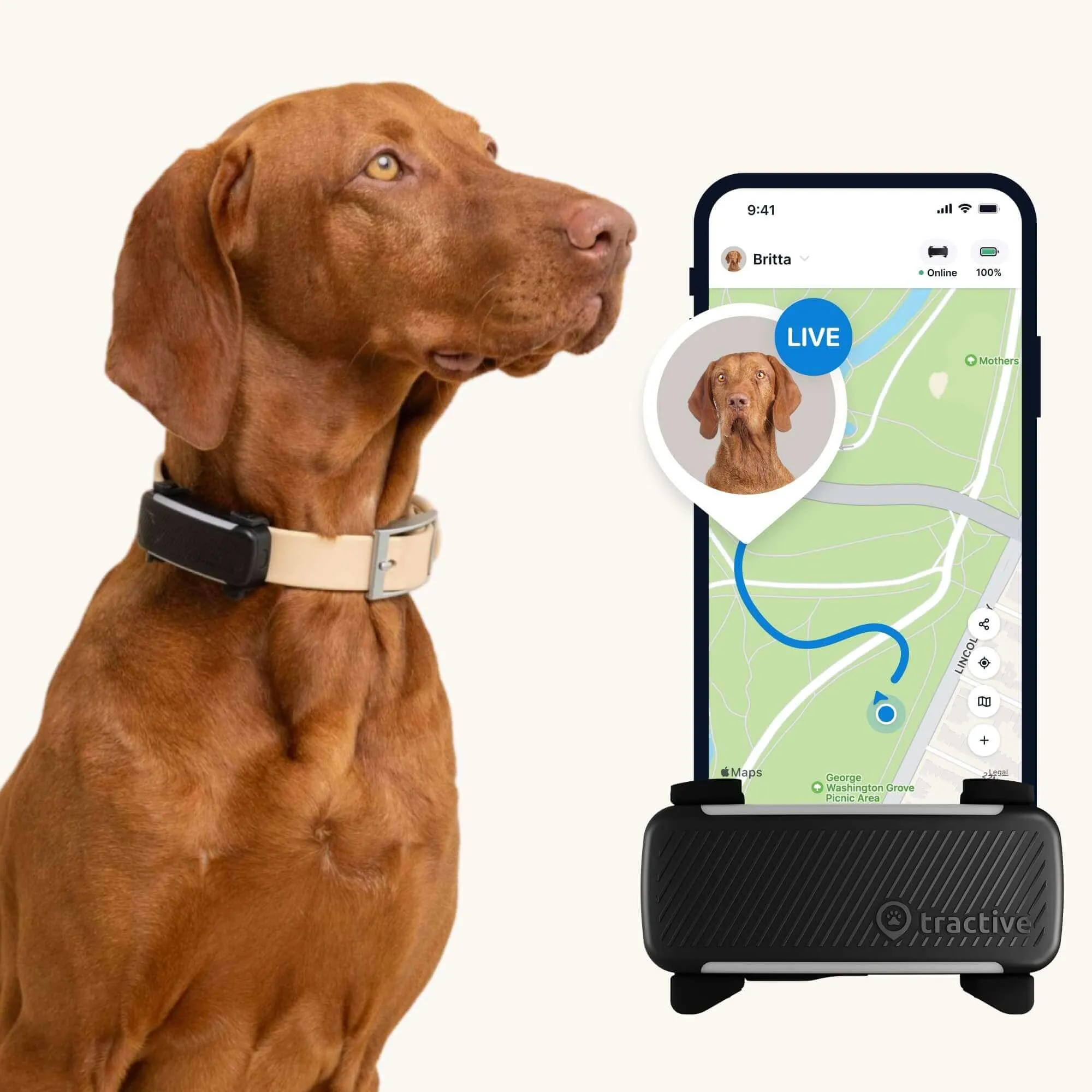
For many dog owners, the frustration of a constantly escaping dog leads them to seek reliable solutions. Modern technology, such as GPS trackers for dogs, offers peace of mind by allowing real-time tracking and the creation of virtual “safe zones” that alert owners if their dog leaves a designated area.
Proven Strategies to Keep Your Dog Secure
Preventing your dog from running away requires a multi-faceted approach. Here are eight key strategies to implement:
1. Fortify Your Fence and Gates
Your physical barriers are the first line of defense. Regularly inspect your fence for any gaps, holes, or weaknesses. Dogs are surprisingly adept at digging under fences or squeezing through small openings. Reinforce any dug-out areas with lumber or chicken wire. For dogs that are prone to jumping, consider extending the height of your fence. Equally important are your gate latches; ensure they close securely every time to prevent easy escapes.
2. Reinforce Basic Training
A dog’s instincts can sometimes override their training, making consistent practice essential. Revisit fundamental commands like “Sit,” “Stay,” and “Come.” Regular training sessions not only strengthen these commands but also build trust between you and your dog. Enrolling in a dog obedience school can provide structured learning for both you and your dog. Be mindful of your own reactions; chasing a dog that escapes can inadvertently turn it into a game for them. Instead, reward them for staying within boundaries and responding to commands.
3. Avoid Punishment for Escapes
Punishing a dog after they have already escaped and returned home is ineffective. It doesn’t address the underlying reason for their behavior and can create a negative association with returning home or with you. This can make them more fearful and less likely to return in the future, especially if they are still building trust with you. Focus on positive reinforcement, offering praise, treats, and affection when your dog exhibits desired behaviors.
4. Be Vigilant About Open Doors
Increased foot traffic in and out of your home or yard can create opportunities for escape. Always be aware when opening doors, garage doors, or gates. Secure your dog on a leash before opening these access points, and train them to “Stay” when doors are opened. Avoid multitasking when exiting or entering, and pay close attention to your dog’s behavior during these moments. For persistent escapees, consider installing a double-gated entry system (airlock or vestibule) for added security.
5. Ensure Sufficient Exercise
A tired dog is less likely to seek adventure elsewhere. Daily walks are crucial for expending excess energy, maintaining good physical condition, and preventing issues like canine obesity. Walks also provide essential sensory stimulation from the sights, sounds, and smells of the outdoors, enriching your dog’s life and strengthening your bond.
6. Combat Boredom and Anxiety
A simple fenced yard may not be enough to keep a dog engaged. Make your yard a more interesting and comfortable place by providing a variety of toys that are rotated regularly. Spend quality time interacting with your dog in the yard, perhaps incorporating short training sessions. Ensure they have access to shade, shelter, food, and water to make it their happy place. Addressing boredom is a key factor in preventing dogs from running away. Learn more about creating a dog-friendly backyard.
7. Identify and Mitigate Triggers
Loud noises are common culprits for canine anxiety and escape attempts. Events like fireworks, thunderstorms, or construction can spook dogs. If possible, keep your dog indoors and provide a safe, comforting environment during these stressful times. Planning ahead can prevent a potential escape.
8. Address the Mating Instinct
For intact dogs, the drive to find a mate can be incredibly strong. If your dog is not spayed or neutered, this instinct can make containment extremely difficult. Spaying or neutering can significantly reduce roaming behavior, while also contributing to pet overpopulation control. Consult your veterinarian about the best timing for these procedures. Understanding a dog in heat is also crucial for intact female dogs.
Essential Safety Measures for Escape Artists
Even with the best preventive measures, some dogs remain determined escape artists. In such cases, implementing emergency safety measures is vital.
Microchipping for Identification
A microchip acts as a permanent ID for your dog, making them easily identifiable if found. A veterinarian can implant this small device quickly and painlessly. Registering your contact information with the microchip database ensures that if your dog is found and scanned, you can be notified. This is crucial, as without identification, a stray dog risks being rehomed or euthanized. However, it’s important to note that a microchip alone does not prevent theft and relies on a scanner to be effective. A microchip for dogs is a vital safety tool.
Utilizing a GPS Tracker
For dogs with a persistent tendency to escape, a dedicated smart dog tracker can be an invaluable emergency solution. Devices like the Tractive GPS allow you to set up virtual “safe zones” around your home. If your dog crosses these boundaries, you’ll receive an immediate escape alert on your phone, enabling you to intervene quickly. Furthermore, real-time LIVE tracking allows you to monitor your dog’s exact location if they do go missing. This provides immense peace of mind, especially when you are away from home.
By combining consistent training, environmental adjustments, and the use of advanced technology, you can significantly reduce the risk of your dog running away and ensure their safety and well-being.