
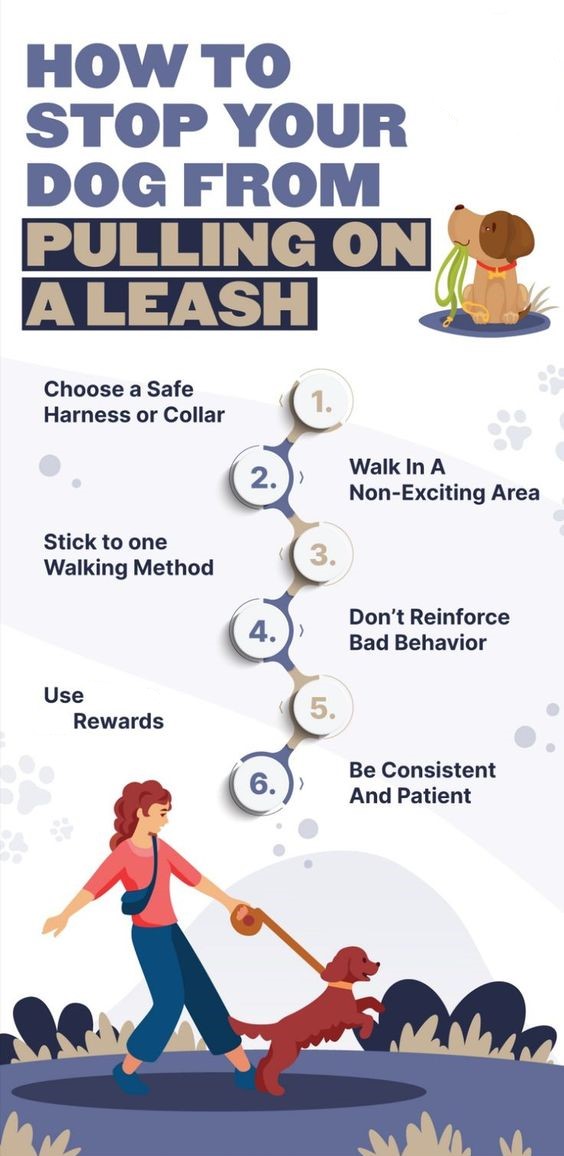
Loose-leash walking is a cornerstone of a well-behaved canine companion, yet it’s a skill many dog owners struggle to achieve. The key to success lies not just in commands, but in understanding and leveraging your dog’s natural motivations. Instead of simply demanding a loose leash, let’s explore why your dog pulls and how to channel that energy into a more harmonious walk. This article will delve into understanding your dog’s behavior, teaching alternative actions, and employing effective management strategies for successful loose-leash walking.
Understanding the “Why” Behind the Pull
Every behavior, including leash pulling, serves a purpose for your dog. Before attempting to correct pulling, ask yourself: “What is my dog trying to accomplish?” Is your dog eager to explore the world ahead, or are they drawn to the “pee-mail” left by other dogs? By identifying the underlying motivation, you can transform these desires into rewards for desired behavior. For instance, if your dog pulls to move forward, providing opportunities for them to run in a safe, off-leash area can fulfill this need. If sniffing is their primary drive, incorporating more scent-based activities into their day can be highly rewarding.
Teaching the “What To Do Instead”
The most effective training approach involves teaching your dog what you want them to do, rather than solely focusing on what you don’t want. Once you’ve defined what “polite walking” looks like – perhaps a leash with slack, a dog walking calmly by your side – you must actively teach this behavior. Start this training in a low-distraction environment, such as inside your home, to set your dog up for success. As your dog masters polite walking indoors, gradually introduce distractions. A common progression is from the house to the backyard, then the front yard, and finally, out into the wider world on actual walks.
The Crucial Role of Management
No training plan is complete without effective management. Management is the practice of preventing your dog from rehearsing unwanted behaviors, like excessive leash pulling, while you are actively teaching them preferred behaviors. This is particularly vital when you begin training outside the controlled environment of your home.
Here are some practical management suggestions:
- Strategic Location Selection: Choose walking routes that minimize triggers for pulling. If your dog pulls towards people, opt for less crowded areas or walk during off-peak hours.
- Utilize Longer Leashes: A longer leash (10-15 feet) can provide your dog with more freedom to explore without causing you to strain. This allows them to investigate scents without creating tension on a shorter leash. For enhanced freedom and reduced pulling, consider using a long line (20-50 feet) during training sessions.
- Meet Needs Before the Walk: If your dog has a high energy level and a need to run, provide them with ample running opportunities before a leisurely walk. Ignoring these fundamental needs will not make them disappear; instead, find outlets that are manageable and enjoyable for both of you.
Conclusion: A Rewarding Partnership
Mastering loose-leash walking is an achievable goal that hinges on understanding your dog’s motivations, clearly teaching desired behaviors, and implementing smart management strategies. By focusing on what your dog wants and teaching them how to achieve it in a way that aligns with your walking goals, you can build a stronger partnership and enjoy more pleasant walks together. If you’re struggling with specific behaviors or seeking professional guidance on advanced training techniques, consider exploring resources on how to train your dog like a service dog to further enhance your training journey.