
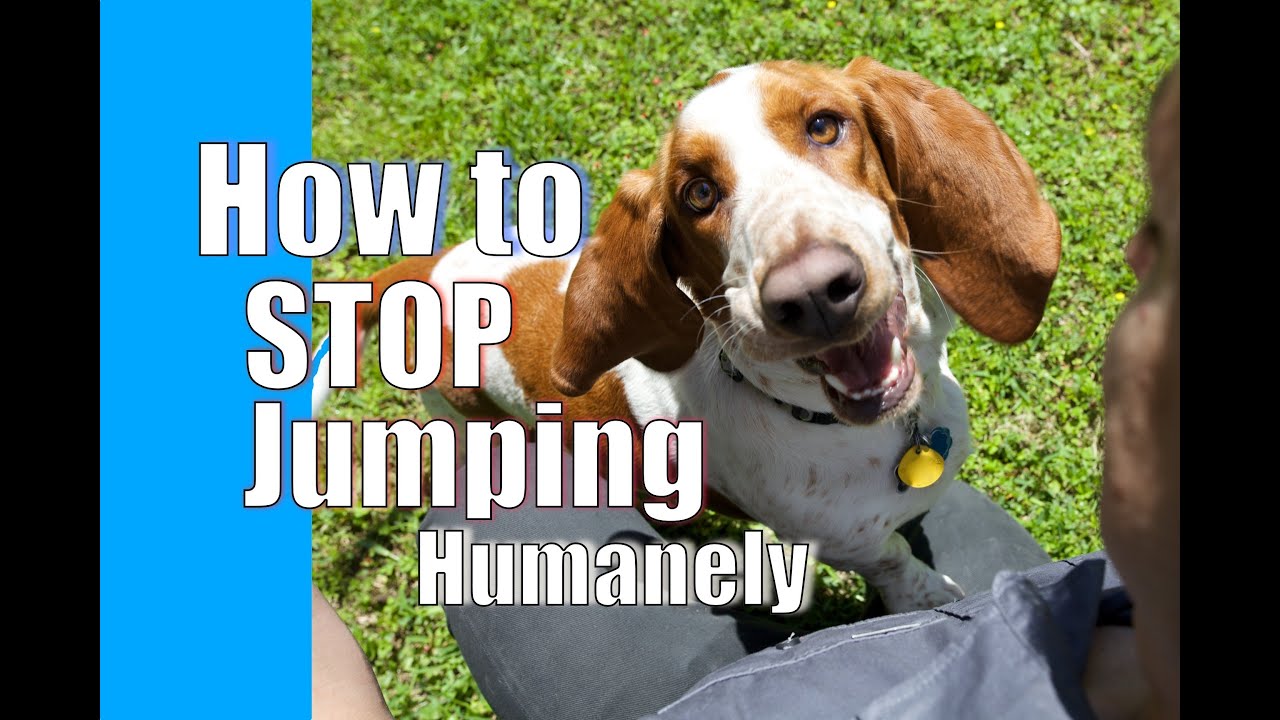
Training a dog to maintain polite greetings is a common challenge for many pet owners. During a recent Beverlywood dog training session with Moody, a high-energy German Shepherd and Border Collie mix, we explored effective, positive reinforcement strategies to address this exact issue. Jumping is often a dog’s way of showing enthusiasm, but for humans, it can be perceived as rude or even dangerous. By understanding dog behavior and implementing a consistent plan, you can transform these overexcited leaps into calm, desirable interactions.
Understanding Why Dogs Jump
To effectively stop a dog from jumping on people, we must first understand the motivation behind the behavior. In the canine world, jumping is a natural way to greet others. Since humans stand much taller than dogs, our furry friends jump up to get closer to our faces—the area they typically sniff during a greeting.
Many owners inadvertently reinforce this behavior by giving the dog attention, even if that attention is negative (like pushing them away or shouting). To a dog, any attention can be a reward. The key is to shift the focus from what you don’t want to what you do want.
The Power of Marker Words and Positive Reinforcement
One of the most effective tools in dog training is the use of a marker word. A marker word is a specific, consistent sound or word (like “Yes!” or a clicker) that tells the dog exactly when they have performed a desired action.
During Moody’s session, we focused on “loading” the marker word. When Moody chose to sit or keep all four paws on the floor, we used the marker word followed immediately by a high-value treat. This creates a clear communication bridge. If a behavior is followed by a marker and a reward, the dog is much more likely to repeat it. This process, which I call “celebrating,” involves actively petting and rewarding your dog when they offer good behaviors voluntarily, such as sitting, lying down, or making eye contact.
Redirecting Energy with Mental Enrichment
High-energy breeds like German Shepherds and Border Collies often jump because they have an abundance of pent-up energy. A well-exercised dog is a well-behaved dog. However, physical exercise isn’t the only solution; mental stimulation is equally important.
Using enrichment tools like snuffle mats, puzzle feeders, and scent games—such as hiding treats in boxes—can significantly deplete excess energy. When a dog’s mind is occupied and their energy is managed, they are less likely to react impulsively when a guest arrives at the door. Setting your dog up for success means ensuring their needs are met before expecting them to perform complex behavioral changes.
Implementing the Hand Targeting Technique
To stop a dog from jumping on houseguests, we utilize a technique called hand targeting. This provides the dog with an alternative, incompatible behavior. A dog cannot jump up if they are focused on touching their nose to your hand at a lower level.
- Practice in Low-Distraction Environments: Start when the dog is calm and no guests are present.
- Repetition at the Door: The guardian should practice 5 to 10 reps of hand targeting every time they walk through the front door. This associates the entrance area with a specific task rather than the excitement of jumping.
- Consistency is Key: It takes approximately three months to establish a solid new behavior pattern. Short, one-to-two-minute sessions held multiple times a day are more effective than one long session.
Once the dog is consistently responding to the hand targeting cue with the owner, you can begin introducing “test” guests—friends who understand the training process and can follow directions without accidentally rewarding the jumping behavior.
Conclusion and Long-term Success
Stopping a dog from jumping on people is a journey that requires patience, consistency, and a proactive approach. By rewarding desired behaviors, providing ample mental and physical exercise, and using specific techniques like hand targeting, you can reshape your dog’s greeting habits. Remember that training is about communication; the more clearly you can signal what you want, the more confident and well-behaved your dog will become. If you stay committed to “celebrating” the small wins, those polite greetings will eventually become a permanent habit.
References
- Doggone Problems: Dog Training and Behavior Resources.
- Certified Professional Dog Trainers (CPDT): Guidelines on Positive Reinforcement.
- American Kennel Club (AKC): Training Tips for Polite Greetings.
Để dùng được toàn bộ chức năng của tất cả các ứng dụng, hãy bật chế độ Hoạt động trên Các ứng dụng Gemini.