
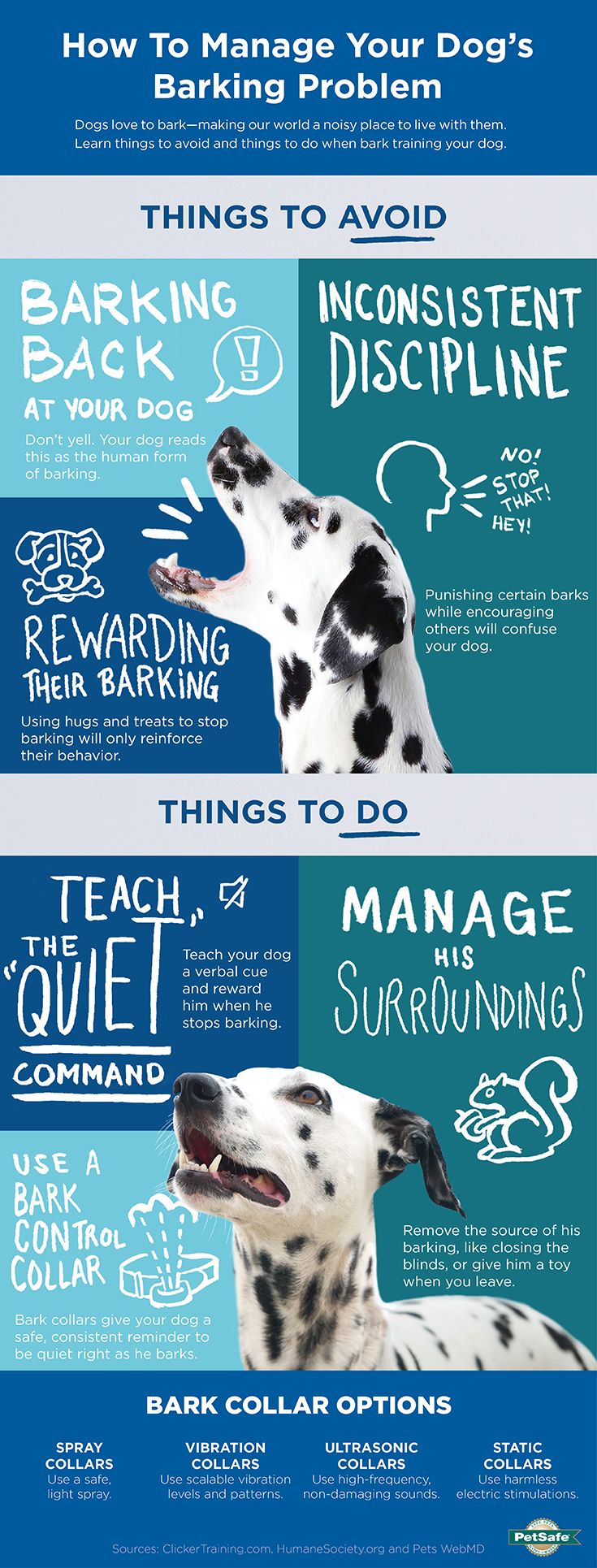
Barking is a natural and essential form of communication for dogs, often alerting owners to visitors or expressing needs. However, when barking becomes excessive, it can be a source of frustration for both dogs and their owners. This article delves into the various reasons behind excessive barking and provides practical strategies to manage and reduce it, emphasizing that the goal is to decrease, rather than eliminate, barking altogether.
Types of Dog Barking and Their Causes
To effectively address excessive barking, it’s crucial to first identify the underlying cause and the dog’s motivation. Different types of barking serve distinct functions, and understanding these can guide the training approach.
Territorial Barking
Dogs may bark excessively at people, animals, or vehicles that approach their perceived territory, which can extend beyond the home to include cars or familiar walking routes. This behavior is often rooted in a desire to protect their space and alert others to potential intruders.
Alarm Barking
This type of barking is triggered by any sight or sound, regardless of context. Dogs exhibiting alarm barking often display stiffer body language and may move forward with each bark, indicating a state of heightened alert. Unlike territorial barking, alarm barking can occur in any location, not just familiar areas.
Attention-Seeking Barking
Some dogs bark to gain attention or elicit rewards such as food, toys, or playtime. This learned behavior often stems from the dog realizing that barking effectively communicates their desires to their owners.
Greeting Barking
When a dog barks with a relaxed body, wagging tail, and excitement, it’s typically a sign of greeting. This friendly vocalization often accompanies whining and occurs when the dog sees people or other dogs.
Compulsive Barking
Characterized by repetitive and seemingly incessant barking, compulsive barking is often accompanied by other repetitive physical behaviors like pacing or spinning. This type of barking may occur without an apparent external trigger.
Socially Facilitated Barking
Some dogs are prone to excessive barking primarily when they hear other dogs barking. This social phenomenon can occur even at a distance, highlighting a dog’s sensitivity to the vocalizations of their peers.
Frustration-Induced Barking
When dogs are placed in frustrating situations, such as being confined, restricted in movement, or unable to access playmates, they may resort to excessive barking. This vocalization expresses their dissatisfaction and desire to overcome the obstacle.
Other Causes of Barking
Medical issues, such as illness or injury, can also lead to increased barking due to pain. Furthermore, separation anxiety can cause excessive barking, but this is typically accompanied by other signs of distress when the owner is absent.
Strategies for Reducing Excessive Barking
Addressing excessive barking requires patience, consistency, and understanding of the dog’s motivations. The following strategies can help manage different types of barking:
Managing Territorial and Alarm Barking
To reduce territorial and alarm barking, owners should aim to decrease the dog’s motivation and limit opportunities to defend their territory. This can involve blocking visual access to passersby using window film or opaque fencing. Training the dog to go to an alternate location, such as a mat or crate, and remain quiet until invited to greet appropriately is also effective.
For dogs that continue to bark despite these measures, the “Quiet” training method can be implemented. This involves allowing the dog to bark a few times before calmly commanding “Quiet.” Gradually, the dog can be taught to associate the command with rewards for silence. Distraction techniques, such as using high-value treats when the dog encounters triggers on walks, can also help redirect their attention. In some cases, a head halter can provide a calming effect and reduce the likelihood of barking.
For dogs that bark excessively in the yard, supervision is key, and they may need to be kept indoors during peak times. Similarly, for car-related territorial barking, crating or using a head halter can help restrict their view and reduce barking.
“Go to Your Spot” Training
This training method teaches the dog to go to a designated spot and remain there when people enter the home, providing an alternative behavior to alarm barking. It involves gradually teaching the dog to go to their spot, stay, and remain there even with distractions, ultimately preparing them for real-life visitor scenarios.
Managing Greeting Barking
For dogs that bark in greeting, keeping interactions low-key and teaching them to sit and stay upon meeting people can help manage their excitement. Providing a favorite toy to hold during greetings can also reduce the tendency to bark.
Addressing Attention-Seeking Barking
To curb attention-seeking barking, owners must consistently avoid rewarding the behavior. Ignoring the barking and then rewarding silence with attention or the desired outcome can help modify this pattern. Teaching alternative behaviors, such as using a doggy door or ringing a bell to signal the need to go out, can also be effective. Teaching a “be silent” command can further reinforce quiet behavior.
Managing Compulsive, Socially Facilitated, and Frustration Barking
Compulsive barking may require professional intervention and changes in confinement or increased stimulation. Socially facilitated barking can be reduced by minimizing exposure to other barking dogs and using distractions. For frustration-induced barking, teaching impulse control through obedience training, such as sit and stay, is crucial.
Considerations and What to Avoid
Anti-bark collars, while available, are generally not recommended as a first-line treatment, especially for barking motivated by fear or anxiety. It’s important to avoid encouraging barking and to be consistent in training. Punishment should be used with extreme caution, and never for barking stemming from fear or anxiety. Muzzles should never be used to silence a dog for extended periods or when unsupervised.
If you’re struggling to manage your dog’s excessive barking, seeking professional guidance from a Certified Applied Animal Behaviorist, a veterinary behaviorist, or a qualified Certified Professional Dog Trainer is highly recommended. They can provide tailored strategies and support to help you and your dog achieve a quieter, more harmonious life.