
If you’ve noticed your dog scratching relentlessly, shaking their head, or emitting an unusual musty odor, a yeast infection could be the culprit. Yeast infections are among the most common skin conditions in dogs, yet they’re frequently mistaken for other issues. Understanding what triggers them, how to recognize the signs, and what treatment options are available can make a significant difference in your dog’s comfort and long-term health.
What Is a Yeast Infection in Dogs?
A yeast infection occurs when yeast — a type of fungus that naturally lives on a dog’s body — multiplies out of control. Under normal circumstances, yeast is harmless. Problems arise only when certain conditions allow it to overgrow, disrupting the natural balance of microorganisms on the skin and in the ears.
Signs and Symptoms to Watch For
Yeast thrives in warm, moist areas. In dogs, that typically means the ears, paws, armpits, groin, and facial skin folds. Recognizing the early signs allows you to seek treatment before the infection becomes severe.

Key symptoms include changes in skin color and texture — early-stage infections often cause pink or reddish skin, while chronic infections can lead to thickened, leathery, gray, or black skin. You may also notice greasy or excessively oily skin, scaling, or flakiness similar to dandruff. Dogs with ear yeast infections frequently shake or tilt their heads and scratch at the affected area. Incessant licking, swelling, warmth, and a distinctive musty or cheesy odor are other telltale signs. In some cases, hair loss occurs around the ears, and — though rare — a yeast infection inside the mouth can lead to drooling and difficulty eating.
Yeast Infection vs. Ear Mites: How to Tell the Difference
Yeast infections and ear mites share many overlapping symptoms, including head shaking, itching, odor, and redness. However, ear mites tend to produce a dark, waxy or crusty discharge and are barely visible to the naked eye. Ear mites are also highly contagious to other animals, whereas yeast infections are not. If you’re unsure which condition your dog has, a veterinary exam is the most reliable way to get an accurate diagnosis and appropriate treatment plan.
Which Dog Breeds Are Most Susceptible?
While any dog can develop a yeast infection, certain breeds are significantly more prone due to their physical characteristics. Dogs with skin folds, floppy ears, or hair growing in the ear canal are at higher risk, as are dogs with allergy-prone immune systems. Breeds commonly affected include Shih Tzus, Cocker Spaniels, Schnauzers, Golden Retrievers, Labrador Retrievers, Basset Hounds, West Highland White Terriers, German Shepherds, Maltese, Dachshunds, and Poodles.
Common Causes of Yeast Infections in Dogs
Yeast infections can stem from a wide range of underlying issues. A weakened immune system may allow yeast to proliferate unchecked, while an overactive immune system can trigger allergic reactions that create the perfect environment for yeast overgrowth.

Environmental allergens such as pollen, mold, dust, cigarette smoke, and cleaning products are common triggers. Diet also plays a role — foods high in sugar and refined carbohydrates, like potatoes, corn, wheat, rice, and high-fructose corn syrup, can feed yeast growth. Moisture is another major factor; dogs that swim frequently or are bathed often without being thoroughly dried are more vulnerable to ear yeast infections. Additional contributing factors include trapped debris or foreign objects in the ear canal, poor hygiene, humid weather, and certain medications that disrupt the body’s natural bacterial balance.
How Veterinarians Diagnose Yeast Infections
A definitive diagnosis requires a veterinary examination. Your vet may take hair and skin samples from the affected area and examine them under a microscope, a process called cytology. For suspected ear infections, an otoscope is used to inspect the ear canal, and samples may be collected to determine whether yeast, bacteria, or a combination of both is responsible.
Treatment Options for Yeast Infections in Dogs
Treatment begins with identifying and addressing the root cause. Depending on the severity and location, your veterinarian may recommend a combination of medical and at-home approaches.
Medicated antifungal baths are one of the most effective at-home treatments, particularly when there are no secondary infections. Bathing your dog every three to five days for two to twelve weeks — or as directed by your vet — can significantly reduce yeast populations on the skin. For localized infections, a topical antifungal cream applied directly to the affected area provides targeted relief.
Ear care is especially important. Using a veterinarian-approved ear-cleaning solution designed to lower pH levels, gently clean the ear with a soft tissue or cotton ball. Avoid inserting cotton swabs into the ear canal. For deeper infections within the ear canal, oral medication or even surgery may be necessary — only a veterinarian can determine the appropriate course of action, and severe ear infections can take up to six weeks to fully heal.
Keeping your dog’s paws clean and dry after exercise or outdoor activity is essential, as the paws are both a high-contact area and a primary location for sweat glands in dogs. Reviewing your dog’s diet is equally important — cutting out sugary treats and refined carbohydrates removes a key nutritional source for yeast.
Home Remedies: What Actually Works?
Among various home remedies, a diluted vinegar rinse is the only option with scientific support. Vinegar can help alter skin pH to make it less hospitable to yeast. However, correct dilution is critical to avoid skin irritation, and this approach should only be attempted after consulting your veterinarian for precise guidance.
Are Yeast Infections Contagious?
Yeast infections in dogs are not directly contagious to other pets or humans. However, a yeast infection can sometimes lead to secondary bacterial or fungal infections — such as ringworm — which can be contagious. Owners should take precautions when handling an infected dog, particularly if secondary infections are suspected.
Recovery and Long-Term Management
Recovery time depends on the severity of the infection. Mild cases caught early may clear up within a few days, while more advanced infections can take several weeks to resolve. Long-term management involves monitoring your dog’s immune health, maintaining regular grooming routines, and using antifungal shampoos as recommended by your veterinarian.
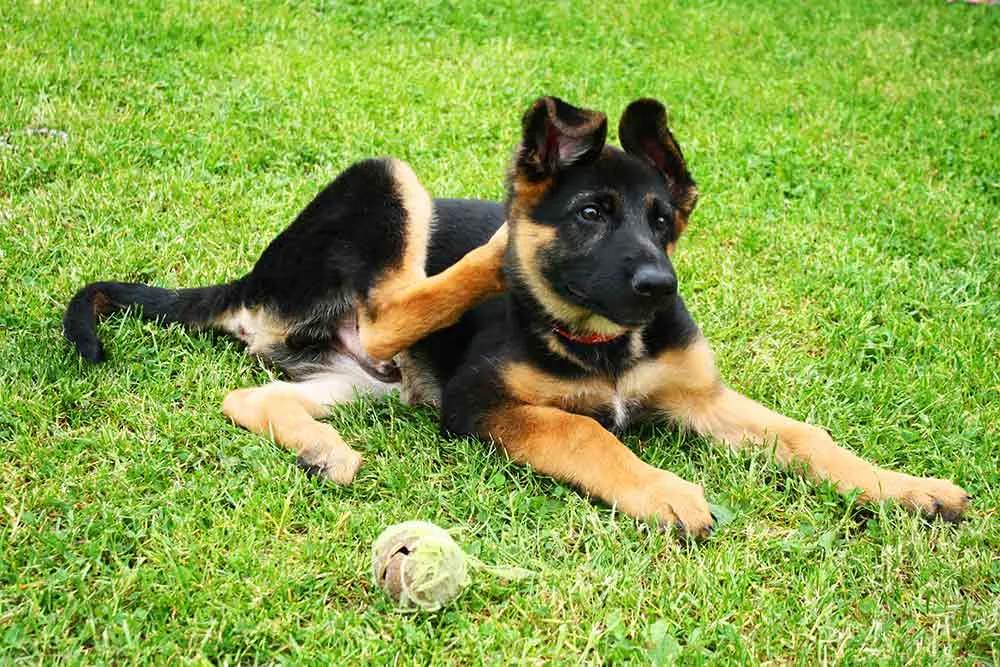
Some dogs are prone to recurrent yeast infections, making it particularly important to identify and manage the underlying trigger rather than simply treating symptoms each time they arise.
How to Prevent Yeast Infections in Dogs
Prevention centers on reducing the conditions that allow yeast to thrive. Keep your dog indoors during periods of extreme heat and humidity. Feed a high-quality diet and stay alert to potential food allergies. Check and clean your dog’s ears regularly, and make sure they are completely dry — ears and paws included — after every bath or swim. If your dog has hair near the ear opening, ask your groomer to trim or tweeze it to improve airflow. Following your veterinarian’s recommended flea and tick prevention protocol also supports overall skin health.
There is currently no vaccine to prevent yeast infections, but consistent preventive care goes a long way in reducing the risk.
Final Thoughts
Yeast infections are a common but manageable health concern for dogs. By staying alert to early symptoms like persistent itching, unusual odor, and skin changes, you can act quickly to prevent the condition from worsening. Working closely with your veterinarian to identify the root cause — whether it’s allergies, diet, moisture, or immune function — is the most effective strategy for both treatment and long-term prevention. With the right care routine in place, most dogs recover fully and go on to live comfortable, itch-free lives.
References:
- American Kennel Club (AKC) – Canine Skin and Ear Health
- Veterinary Partner (VIN) – Yeast Infections in Dogs
- Merck Veterinary Manual – Dermatophytosis and Fungal Skin Infections in Dogs