
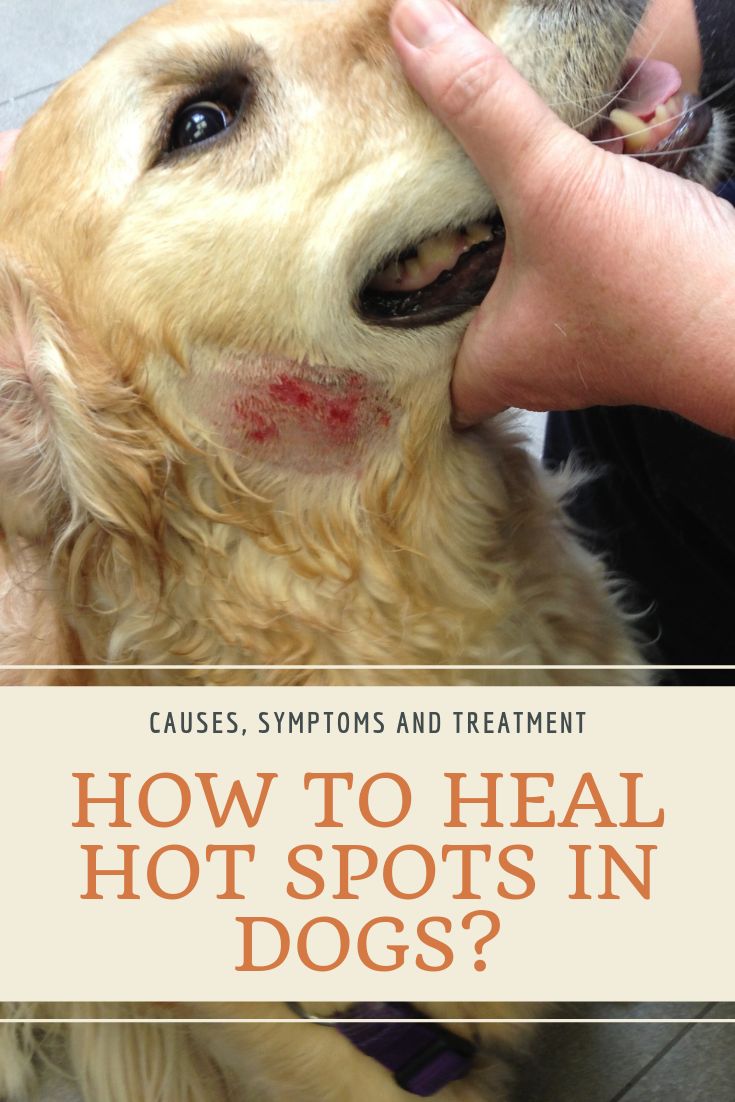
Hot spots, scientifically known as acute moist dermatitis or pyotraumatic dermatitis, are a common and distressing skin condition for dogs. These red, inflamed, and often oozing lesions can appear suddenly and spread rapidly, causing significant discomfort to your canine companion. While conventional veterinary medicine often resorts to antibiotics and steroids, a wealth of natural and effective treatments exist to manage and heal these irritating skin issues. Understanding the root cause of hot spots is the first step toward preventing their recurrence and promoting your dog’s overall well-being.
What Are Hot Spots on Dogs?
Hot spots on dogs are characterized by red, moist, irritated, sometimes oozy or crusty skin lesions that typically manifest abruptly. If not addressed promptly, they can escalate quickly in size and severity. These painful areas can develop anywhere on a dog’s body and are essentially an immune-mediated skin response. The triggers can be varied, ranging from allergic reactions and insect bites to poor grooming habits, underlying health conditions, or even stress and boredom. Breeds with thick or long coats are often more susceptible.
Recognizing the Signs of a Hot Spot
A hot spot may initially appear as a small, bite-sized lesion. However, due to the intense discomfort, dogs will often lick, chew, and scratch at the area, exacerbating the inflammation and accelerating its spread. Within a few hours, a small hot spot can grow to several inches in diameter. As the infection progresses, you might observe symptoms such as:
- Hair loss in the affected region.
- A bright, cherry-red discoloration of the skin.
- The appearance of raw, moist skin.
- Visible inflammation and tenderness.
- Oozing of clear or yellowish pus, which can later form crusts.
- Bleeding from the irritated area.
Common Locations for Hot Spots
While hot spots can emerge anywhere on a dog’s body, they are most frequently found on the face, neck, and chest. However, they can also appear on the belly, legs, tail, or paws.
Identifying the Causes of Hot Spots
To effectively treat hot spots, it’s crucial to investigate potential underlying causes. Observing your dog’s recent activities and environment can provide valuable clues:
- Insect Bites: Has your dog been in an area where insect bites are common? Insect bites can trigger an inflammatory response.
- Environmental Factors: Summer heat, matted fur preventing skin from breathing, or exposure to allergens like grass, pollen, or contaminated water can contribute.
- Food Sensitivities: Any recent changes in diet or consumption of unusual foods might indicate an allergic reaction. Food sensitivities are a frequent culprit.
- Parasites: Flea infestations are a significant cause of hot spots, particularly flea allergy dermatitis. Natural flea control is essential.
- Underlying Health Issues: Skin infections or pre-existing skin conditions can make dogs more prone to developing hot spots. Licking or chewing at an injury, such as an achy joint, can also lead to a hot spot.
- Stress and Boredom: Insufficient exercise and mental stimulation, separation anxiety from being home alone, or significant changes in the home environment can trigger stress-related hot spots.
Differentiating Between Acute and Chronic Hot Spots
Many hot spots are acute, meaning they resolve relatively quickly. However, if your dog experiences frequent or recurring hot spots, this could indicate a chronic issue and may point to more serious underlying problems. Canine herbalist Rita Hogan suggests potential chronic causes include liver disease, immune system disorders, or muscle tension and pain. Palpating the area around chronic hot spots, especially along the spine, for heat, tightness, or tension might offer further insight.
For chronic hot spots, consulting a holistic veterinarian is recommended to identify and manage the root cause. Homeopathic remedies, such as Bach Rescue Remedy, can be beneficial for hot spots stemming from emotional or environmental stress. Additionally, therapies like chiropractic adjustments, acupuncture, or acupressure may provide relief.
Natural Management of Hot Spots
A holistic approach to treating hot spots involves both external and internal therapies, aiming to strengthen the dog’s immune and digestive systems while supporting organ function.
1. Cleansing the Affected Area
Begin by gently trimming the hair around the hot spot and cleaning away any pus or dead skin. Be mindful that the area will likely be painful for your dog.
2. Herbal Rinse for Infection Prevention and Itch Relief
To prevent infection, encourage healing, and alleviate itching, use an herbal rinse. This recipe helps clean the area and discourages bacterial overgrowth.
Herbal Hot Spot Rinse Recipe
- 8 oz boiled, cooled filtered water
- 10 drops crab apple flower essence
- 20 drops Self-Heal (Prunella vulgaris)
- 10 drops echinacea tincture
- 1/2 tsp Himalayan salt
Optional: Replace 4 oz of water with witch hazel or rose water for enhanced drying or cooling effects.
Trim the hair around the hot spot, then apply the rinse using a spray bottle or cotton ball. Allow it to air dry. Repeat 3-4 times within the first 24 hours.
3. Applying a Healing Powder
A healing powder can aid the hot spot in its initial healing stages.
Hot Spot Healing Powder Recipe
- 1/4 cup powdered bentonite clay
- 1/8 cup of powdered echinacea, plantain leaf, or yarrow
If herbs are unavailable, bentonite clay alone can be used. Apply the powder to the affected area and let it sit for 30-45 minutes before rinsing with lukewarm water or the herbal wash. Perform this 2-3 times daily.
4. Topical Herbal Treatments for Healing
As the hot spot begins to heal, a salve containing calendula or St. John’s wort oil can be applied. These herbs possess soothing, anti-itch, and anti-inflammatory properties. Note: Avoid calendula if there is significant drainage or scabbing, as it may clog the wound. Wait until healing is evident with minimal discharge. For painful or dry healing spots, a calendula and goldenseal blend mist can be beneficial.
5. Internal Support for Healing
Internal remedies are crucial for addressing the root cause. Feeding fresh, whole foods and supplementing with digestive enzymes, prebiotics, probiotics, essential fatty acids, and antioxidants supports the digestive tract and promotes long-term healing.
6. Supporting Elimination Organs
Supporting the kidneys and liver aids in detoxification and overall body balance. Herbs such as milk thistle, dandelion, and St. John’s wort can help cool the system and support liver function. Burdock tincture is also effective for dissipating heat and supporting liver and kidney function. A general dosage guideline for tinctures is half a drop per pound of body weight, administered twice daily.
7. Stimulating the Lymphatic System
A healthy lymphatic system is vital for removing toxins and supporting immune function. Calendula and cleavers are beneficial herbs for stimulating lymphatic drainage. Calendula is recommended for “cool” dogs, while cleavers are better suited for “warm” or “hot” dogs, often associated with underlying health issues. A typical dosage is one drop of tincture per 10 pounds of body weight.
Natural Alternatives and What to Avoid
It’s important to use caution with certain commonly recommended treatments:
- Oral Steroids or Antibiotics: These medications suppress symptoms without addressing the underlying cause and can have long-term negative effects. Hot spots are symptoms, not the disease itself.
- Neosporin: This antibiotic ointment is not formulated for dogs and can cause adverse reactions.
- Peroxide: Hydrogen peroxide can damage delicate skin tissue and delay healing.
- Benadryl: While it may temporarily relieve itching, Benadryl suppresses the body’s natural healing response and carries risks of overuse. Consider natural alternatives like quercetin, known as “Nature’s Benadryl.”
- Coconut Oil: As a moisturizer, coconut oil is counterproductive for hot spots, which need to dry out. Applying it can hinder the scabbing and healing process.
Proven Natural Remedies:
- Calendula: An excellent herb for reducing itching, inflammation, and promoting skin tissue healing. It’s safe even if ingested by the dog. Apply calendula cream, salve, or oil liberally. A calendula lotion can be made by mixing 20-40 drops of calendula tincture with 1 cup of water and 1/4 tsp salt.
- Hypericum (St. John’s Wort): Often used in conjunction with calendula (as HyperCal), it reduces pain and inflammation, promoting healing. It acts as an effective antibacterial wash. You can create a blend by mixing 12-15 drops each of hypericum and calendula tincture in 1 cup of warm water.
- Black Tea: The tannins in black tea can help dry out moist hot spots, combat bacterial infections, and promote healing. Apply cooled black tea with a tea bag or cotton ball.
- Colostrum: Both internally as an immune booster and topically as a paste mixed with distilled water, colostrum can accelerate skin repair and prevent infections.
- Apple Cider Vinegar: A diluted solution (1:1 with water) can be spritzed or dabbed onto the hot spot to relieve itching.
Elizabethan Collars and General Care
To allow hot spots to heal properly, preventing your dog from licking or chewing them is essential. If this behavior persists, an Elizabethan collar may be necessary, but ensure the wound can still breathe. In addition to specific hot spot treatments, provide adequate mental and physical stimulation, maintain a regular grooming routine, ensure your dog is free of fleas, and offer fresh, filtered water. Embracing natural remedies and consulting with a holistic veterinarian can lead to more effective and sustainable solutions for your dog’s health.
Preventing Future Hot Spots
Proactive measures can significantly reduce the likelihood of future hot spot occurrences:
- Utilize safe, natural flea and mosquito control.
- Maintain clean sleeping environments for your dog.
- Minimize exposure to known environmental allergens.
- Feed a healthy, whole-food, raw diet to support the immune system.
- Eliminate processed foods that can cause inflammation.
- Reduce exposure to household toxins.
- Practice consistent grooming to promote healthy skin.
- Avoid over-vaccination, which can contribute to allergic reactions and skin issues.
- Ensure regular exercise to support overall health and well-being.