
Ear tip injuries in dogs, while distinct from common ear infections, can cause significant discomfort and present unique healing challenges for pet parents. Understanding the causes, treatment, and healing process is crucial for ensuring your canine companion’s swift recovery. This guide, drawing from veterinary expertise, offers insights into managing these injuries effectively.
Understanding the Causes of Ear Tip Injuries
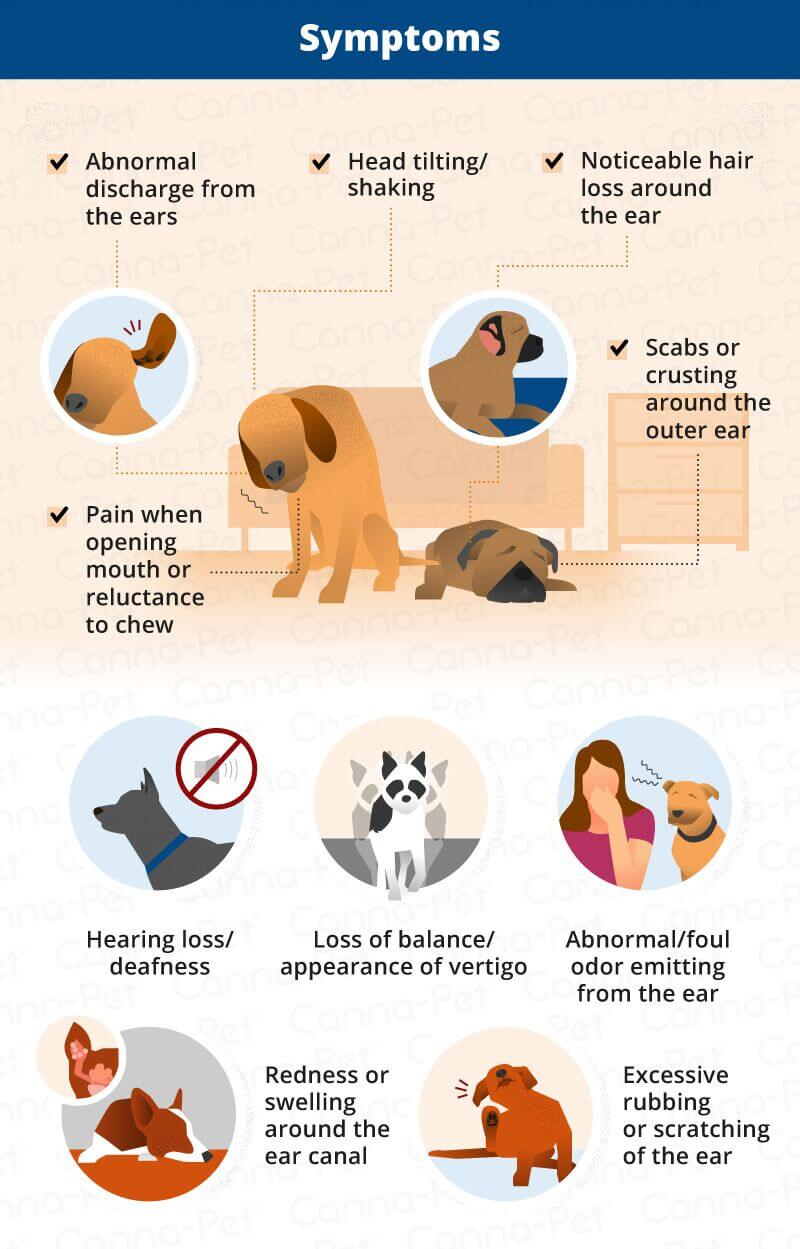
The most frequent culprit behind ear tip injuries is a severe ear infection that triggers vigorous head shaking. This forceful action can lead to tears on the ear’s surface or the development of blood blisters. Beyond infections, any activity where a dog’s sensitive ears encounter rough or sharp objects—whether during boisterous play or a trek through dense woods—can result in lacerations or abrasions.
Ears are highly vascularized, meaning they possess a rich blood supply. Consequently, even minor tears or cuts can appear to bleed profusely. This is particularly noticeable if a dog shakes their head while the wound is actively bleeding, potentially creating a messy situation. However, the good news is that significant blood loss from the ears, to the point of causing systemic illness, is unlikely if the injury is addressed promptly and appropriately.
Treating Ear Tip Injuries in Dogs
The healing process for ear tip injuries can be notably slow and complicated due to a dog’s natural inclination to move their ears constantly. This movement disrupts the delicate healing process. Scabs are an essential early stage of healing, but they can be easily dislodged by head shaking, leading to re-bleeding and the need to restart the healing cycle.
Managing Auricular Hematomas
When a blood blister forms on the ear, known as an auricular hematoma, simple draining may not suffice. These hematomas, blood-filled cysts typically found on the inside of the pinna (the external ear flap), have a tendency to recur and often require veterinary intervention. Dogs with thinner ears are more prone to developing these. A veterinarian will drain the hematoma and employ sutures within the blistered area to help the skin reattach to the underlying tissue. This procedure is performed under sedation or anesthesia. Depending on the hematoma’s size, location, and the dog’s history, a temporary drain may also be inserted.
Promoting Healing: Cleanliness, Dryness, and Immobility
For effective healing, the injured ear area must be kept clean, dry, and as immobile as possible. This is easier said than done, as bandages are notoriously difficult to keep affixed to a dog’s ears and tend to fall off if the dog scratches or shakes its head. Patience is key. While dogs may resist having their ears bandaged, this is often the only way to prevent re-injury. Creative solutions involving various first-aid bandages, bandanas, sweatbands, or other devices can help immobilize the ears without causing excessive discomfort.
While snoods, designed to keep long ears out of food and water, can be helpful, they do not offer complete immobilization. This might be sufficient for some dogs but not all. Be prepared for potentially disproportionate bandaging for a small wound; persistence is vital.
Liquid bandage is another common at-home remedy, but it comes with a significant caution. Its effective use requires the wound to be small, exceptionally clean, and dry—conditions often difficult to achieve at home. Trapping bacteria within the wound is a serious risk. Veterinarians and their staff are better equipped to thoroughly clean the wound, apply healing powders, and then securely apply liquid bandage material and wrappings.
Addressing Other Types of Ear Injuries
Beyond direct trauma and infections, other factors can cause lesions on a dog’s ears requiring different treatment approaches. Parasites such as mange mites and biting flies can inflict damage. Certain breeds, like Dachshunds, may be predisposed to damage in the small blood vessels of the pinna due to vasculitis, a rare condition requiring veterinary diagnosis and treatment.
It’s crucial to remember that not all lumps on a dog’s ears are benign. Skin cancers can manifest on the pinna, and cancerous growths can also affect the ear’s blood vessels. Any new lumps or bumps on your dog’s ear, especially those that change in size, shape, or color, or that ulcerate, should be examined by a veterinarian.
When to Seek Veterinary Care
A veterinarian’s evaluation is essential for any significant ear injury in dogs, particularly if the cause is unknown or if the injury is recurrent. Many different conditions can present with similar-looking ear injuries. Your veterinarian possesses the expertise to accurately diagnose the underlying cause and implement the most appropriate treatment plan.
When dealing with minor cuts and abrasions, such as those that might occur from rough play or minor scrapes, ensuring the wound is kept clean is paramount. For more serious injuries or if you suspect an auricular hematoma, seeking professional veterinary care is the best course of action. If your dog experiences any injury to their ear, consulting with your veterinarian is always recommended to ensure proper diagnosis and treatment.