
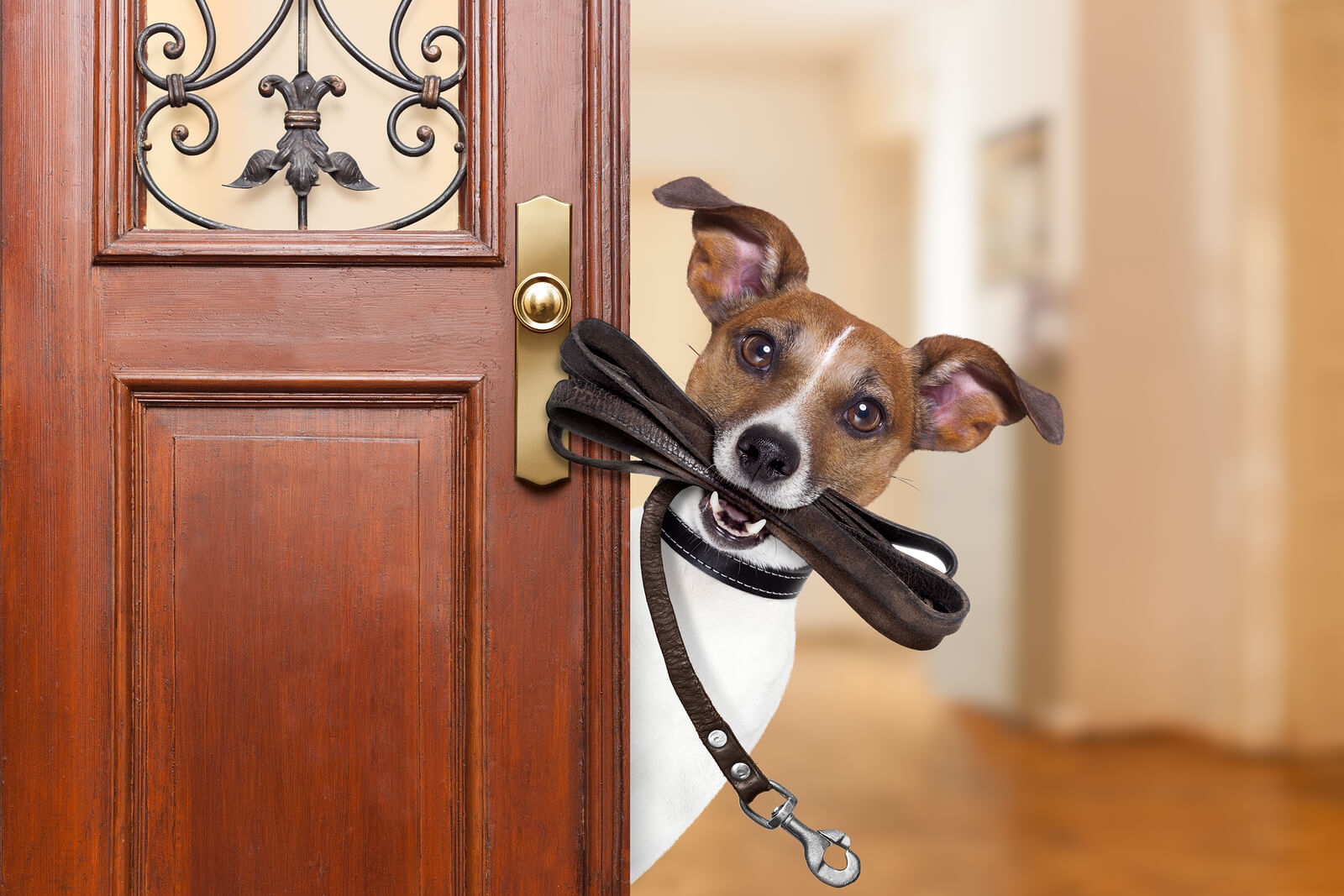
Teaching a canine to eliminate outdoors is a top priority for most pet parents. Beyond the obvious benefits of home hygiene, successful housebreaking makes daily life more convenient and strengthens the bond between you and your furry friend. However, it is not uncommon for owners to find themselves frustrated when a dog or puppy refuses to poop outside, despite frequent walks.
If you are struggling with a stubborn pet, understanding the “why” is just as important as the “how.” By combining expert behavioral insights with consistent training techniques, you can overcome this hurdle and ensure your home remains a clean, accident-free zone.
5 Common Reasons Why a Dog Refuses to Poop Outside
Before diving into the solutions, it is essential to identify the root cause of the behavior. Avoidance of outdoor potty breaks often stems from behavioral habits, psychological stressors, medical conditions, or even unintentional owner error, such as an inconsistent schedule.
1. Anxiety and Environmental Stress
For many dogs, particularly those who are hypersensitive to stimuli, the outdoors can be an overwhelming place. Going “number two” requires a dog to be in a vulnerable position. If they are frightened by loud traffic, barking neighborhood dogs, or unfamiliar people, they may hold their bowels until they return to the safety of the indoors.
2. Lack of Positive Association
Training a dog to poop outside relies heavily on positive reinforcement. If a dog has not been properly rewarded for outdoor successes—or if they have had negative experiences like being scolded while outside—they may lack the motivation or confidence to perform the behavior where you want them to.
3. Preference for Indoor Surfaces
This is a frequent challenge with small breeds or rescue dogs that spent their early puppyhood strictly indoors. These pets often become “surface-trained” to puppy pads, carpet, or tile.
To them, grass, dirt, or pavement feels alien. Additionally, adverse weather like rain or extreme cold can make the transition to outdoor breaks even more difficult for a pampered pooch.
4. Underlying Health Issues
In older dogs, a sudden change in potty habits can signal medical distress. Cognitive decline may cause a senior dog to “forget” their house training, while conditions like arthritis can make the physical act of squatting painful. Other issues like constipation or gastrointestinal upset can also make a dog hesitant to go potty.
5. Overstimulation and Distractions
The outdoors is a sensory playground filled with intriguing smells and sights. Many dogs become so preoccupied with sniffing, exploring, or chasing squirrels that they simply “forget” to go potty. By the time they come back inside and relax, the urge returns, leading to an indoor accident.
How to Get My Dog to Poop Outside: 7 Practical Tips
1. Optimize the Feeding Schedule
Most canines feel the urge to eliminate approximately 30 minutes after a meal. By maintaining a strict feeding schedule, you can accurately predict when your dog needs to go. This allow you to time your walks to coincide with their natural biological rhythm, significantly increasing the chances of an outdoor success.
Remember that puppies require more frequent meals—and therefore more frequent potty breaks—than adult dogs.
2. Establish a Predictable Routine
Dogs thrive on routine. Beyond just feeding, your walking schedule should be fixed. When a dog knows exactly when they can expect to go outside, their body begins to adjust to that schedule. Consistency reduces the anxiety of “holding it” and helps build a reliable habit.
3. Learn to Recognize Silent Signals
Even with a schedule, biological needs can shift. Effective pet parents learn to read their dog’s body language. Watch for these common signs that a potty break is urgent:
- Intense sniffing or circling in one spot.
- Panting or restless pacing.
- Whining or barking while looking toward the door.
- Sudden squatting.
4. Utilize Positive Reinforcement
Motivation is the heart of training. When your dog successfully poops outside, offer immediate praise and high-value treats. The reward must be given the moment they finish so they can make the mental connection between the act and the prize.
“Sometimes, if the treat is too exciting, they focus more on the treat than on going potty. In this case, you may need to switch to a less exciting treat.”
— Karen Piwinski, Dog Trainer
5. Incorporate Crate Training
Dogs have a natural instinct to keep their “den” or sleeping area clean. You can use a properly sized crate to help your dog develop better bowel control.
If the crate is the right size—just enough to turn around and lie down—the dog will be highly motivated to hold their business until they are let outside.
6. Erase the Scent of Past Accidents
A dog’s nose is incredibly powerful. If an indoor accident is not cleaned with an enzymatic cleaner, the lingering pheromones will signal to the dog that the spot is an “approved” bathroom. Standard household cleaners often fail to break down these proteins, leading to repeat offenses in the same area.
7. Stay Consistent and Patient
The biggest enemy of house training is inconsistency. Switching up the rules or skipping walks will confuse your pet and reset their progress. Stick to your plan, remain patient, and avoid punishing your dog for accidents, as this only creates fear and further delays the learning process.
Conclusion
Potty training is a journey that requires time, empathy, and a solid strategy. By understanding your dog’s physical needs and behavioral triggers, you can replace indoor accidents with outdoor success. With a consistent routine and plenty of positive reinforcement, your dog will soon understand that the great outdoors is the only place for their bathroom breaks, making life easier for both of you.