
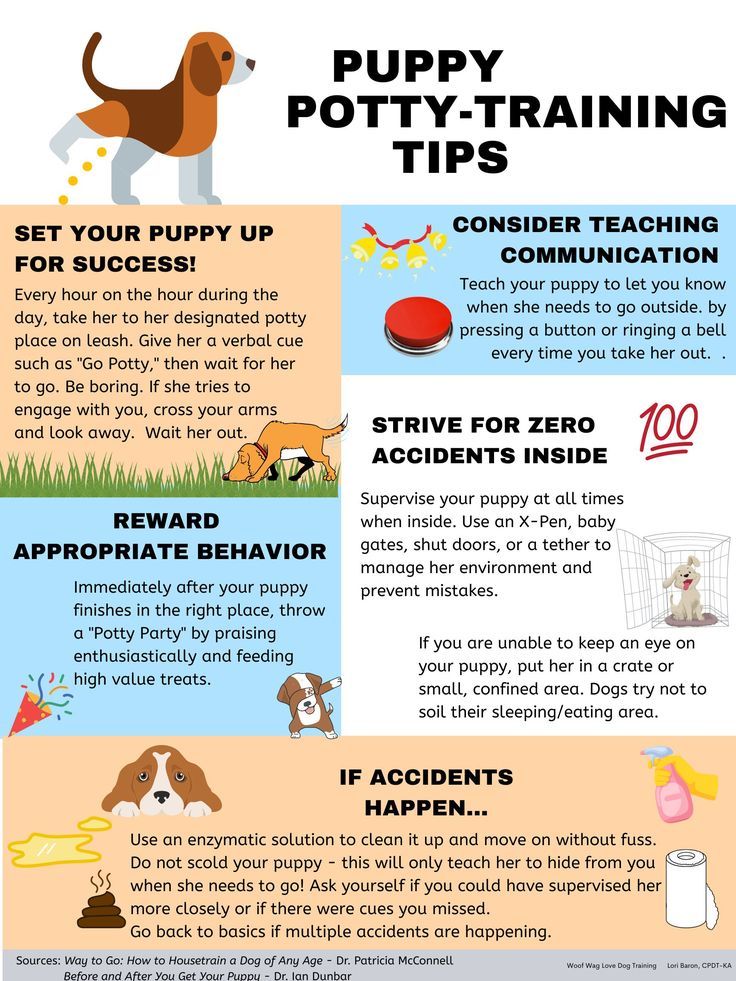
Potty training your puppy is one of the most essential first steps in ensuring a clean, happy home. Establishing good habits early helps prevent accidents, reduces stress for both you and your puppy, and sets the stage for successful dog ownership. This guide provides practical tips and proven strategies to teach your puppy where and when to eliminate, all while using positive reinforcement techniques.
Establish a Consistent Potty Routine
Consistency is key to potty training. Take your puppy outside frequently—at least every two hours—and especially after waking up, playing, eating, or drinking. Choose a dedicated bathroom spot in your yard and always guide your puppy there on a leash. While they relieve themselves, use a specific command, such as “go potty,” to help them associate the phrase with the action. Reward your puppy immediately after they finish with praise or a small treat to reinforce the behavior.
Pro Tip: Wait until your puppy has completely finished before offering rewards. Puppies can easily get distracted and may stop midway if interrupted.
Stick to a Regular Feeding Schedule
Feeding your puppy at consistent times each day encourages predictable potty breaks. Puppies often need to eliminate shortly after eating, so scheduled feeding helps maintain a steady routine. Additionally, remove their water dish about two to three hours before bedtime to reduce overnight accidents. Most puppies can sleep comfortably for up to seven hours without needing a bathroom break. If your puppy wakes during the night, take them outside quietly and return them to bed without turning it into playtime.
Supervise Your Puppy Indoors
Until your puppy is reliably potty trained, close supervision indoors is crucial. Use a six-foot leash to tether them to you or a piece of furniture when not actively playing. Watch for signs that they need to go out, such as:
- Circling or sniffing the floor
- Barking or scratching at the door
- Restlessness or sudden squatting
When you notice these signals, take your puppy immediately to their designated potty spot and reward them after they eliminate. Treat your yard as an extension of your indoor space by keeping your puppy on a leash during the housebreaking process.
Use Confinement When Necessary
If you cannot supervise your puppy, restrict them to a small area where they are less likely to eliminate, such as a bathroom or laundry room sectioned off with baby gates. Crate training is another highly effective and humane option for confinement. When your puppy has been confined for several hours, take them directly to their potty spot as soon as you return.
Handling Potty Accidents
Accidents are a normal part of the training process. Here’s how to handle them effectively:
- Calmly take your puppy to their outdoor potty spot.
- Praise and reward if they finish there.
- Never scold your puppy. Punishment can create fear and slow progress.
Clean soiled areas thoroughly to remove odors that might encourage repeat accidents.
Planning for Times When You’re Away
If you need to be away from home for extended periods, consider whether the timing is right for a puppy. Alternatives include adopting an older, house-trained dog or arranging for a neighbor or pet sitter to provide regular bathroom breaks. You can also train your puppy to use indoor potty solutions such as pee pads, newspapers, or a sod box. Keep in mind that indoor potty training may slow the transition to outdoor elimination.
Teaching Your Puppy to Signal
Training your puppy to signal when they need to go out, such as ringing a bell or alerting at the door, can prevent accidents and improve communication. Consistently reward the signal followed by a successful potty outdoors to reinforce the behavior.
Final Thoughts
Successful potty training relies on patience, consistency, and positive reinforcement. Stick to a regular schedule, supervise your puppy carefully, and manage accidents calmly. Most puppies take 4–6 months to become fully house-trained, though this can vary based on size, age, and prior experience. Regular potty breaks, attention to behavioral cues, and reinforcement of good habits will help your puppy learn quickly and effectively. If difficulties arise, consult a veterinarian or a certified, positive-reinforcement dog trainer for additional support.
By following these steps, you’ll establish a strong foundation for your puppy’s development and enjoy a harmonious, clean home environment.
Learn more about crate training and positive reinforcement techniques for a smoother potty training journey.