
Living with a high-energy dog can feel like sharing your home with a tiny tornado that never seems to settle. If you’re searching for ways to calm down a hyper dog, rest assured—this is a common challenge, and with the right approach, it’s entirely manageable. In this guide, you’ll discover what often fuels hyperactivity in dogs and how to cultivate calmer habits through clear, practical steps.
Why Is My Dog So Hyper?
If your dog is constantly on the move, the answer often lies in a combination of genetics, routine, and emotional state rather than a single cause.
Breed genetics play a significant role—some dogs are bred for high energy, constant movement, and engagement. Boredom and stress can also manifest as hyperactivity; boredom seeks stimulation, while stress may drive a dog to seek control or escape. Additionally, the “overtired toddler effect” can kick in: just like children, dogs may become more hyper when they’re exhausted, as fatigue reduces their impulse control.
When “Hyper” Is Really Stress and Anxiety
Busy or restless behavior can sometimes be a sign of an unsettled dog. If you’re wondering how to calm an anxious dog, start by observing what triggers your pet and how long it takes them to recover. Recovery time is a telling indicator.
Common triggers include:
- Sudden changes in routine, such as travel or new work hours
- Loud or chaotic environments, like constant street noise or frequent doorbell rings
- Low confidence in new situations, such as meeting unfamiliar people or visiting new places
- Separation-related stress when left alone for extended periods
- Overstimulation from prolonged play sessions without adequate rest
For dogs prone to feeling overwhelmed, predictability and choice are key. Teach them simple coping skills, like retreating to a mat, moving behind a gate, or taking a break in a quiet space.
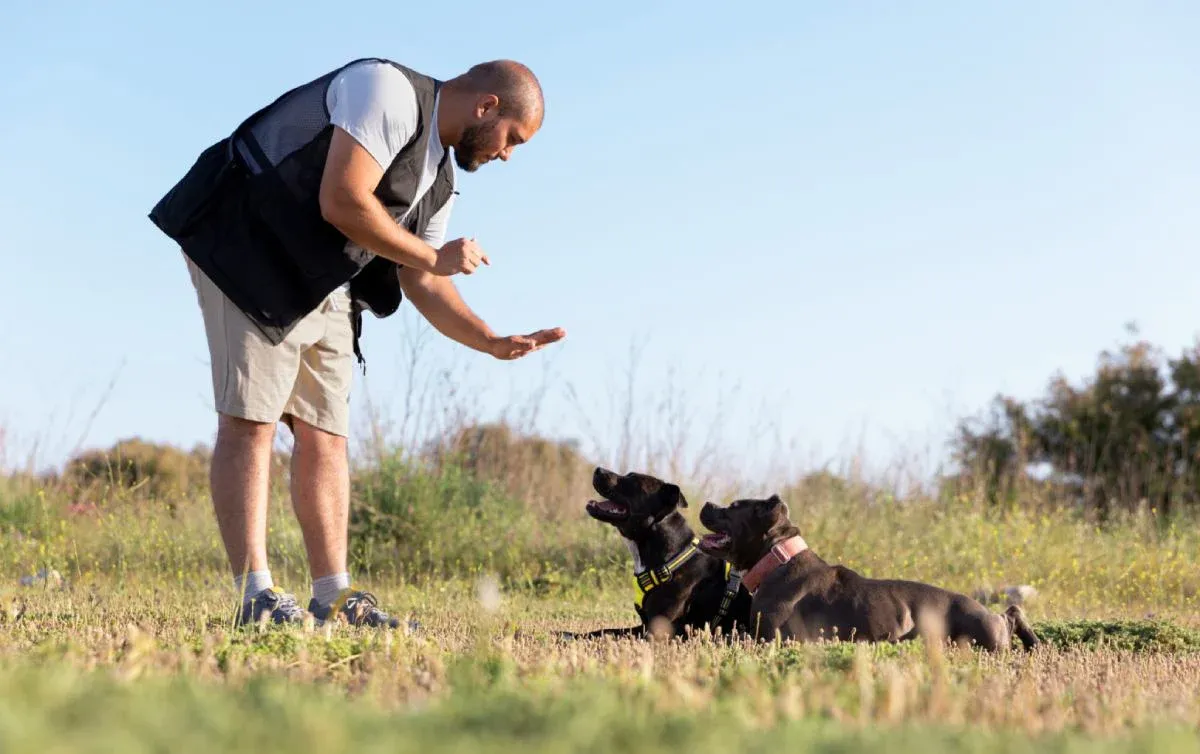
Physical vs. Mental Exercise: Why the Walk Isn’t Enough
It’s easy to assume that a long walk or run will tire out a hyper dog. However, excessive physical exercise can sometimes build stamina, leaving your dog needing even more activity the next day. Distance alone doesn’t teach calmness—it may just create a stronger, more restless pet.
A better approach is to balance physical and mental exercise. Mental work often tires dogs out faster because it requires them to think, focus, and problem-solve.
Try these alternatives:
- Scent Work: Take your dog on a “sniffari” walk, allowing them to explore and choose the route at a safe pace.
- Ditch the Bowl: Use puzzle feeders or scatter feeding to slow down mealtime and engage their brain.
- Training: A short, focused training session teaching a new cue can be more effective than a long walk.
For pet parents looking to calm down a hyper dog without adding more physical activity, these short mental exercises can foster calmer behavior during high-energy moments.
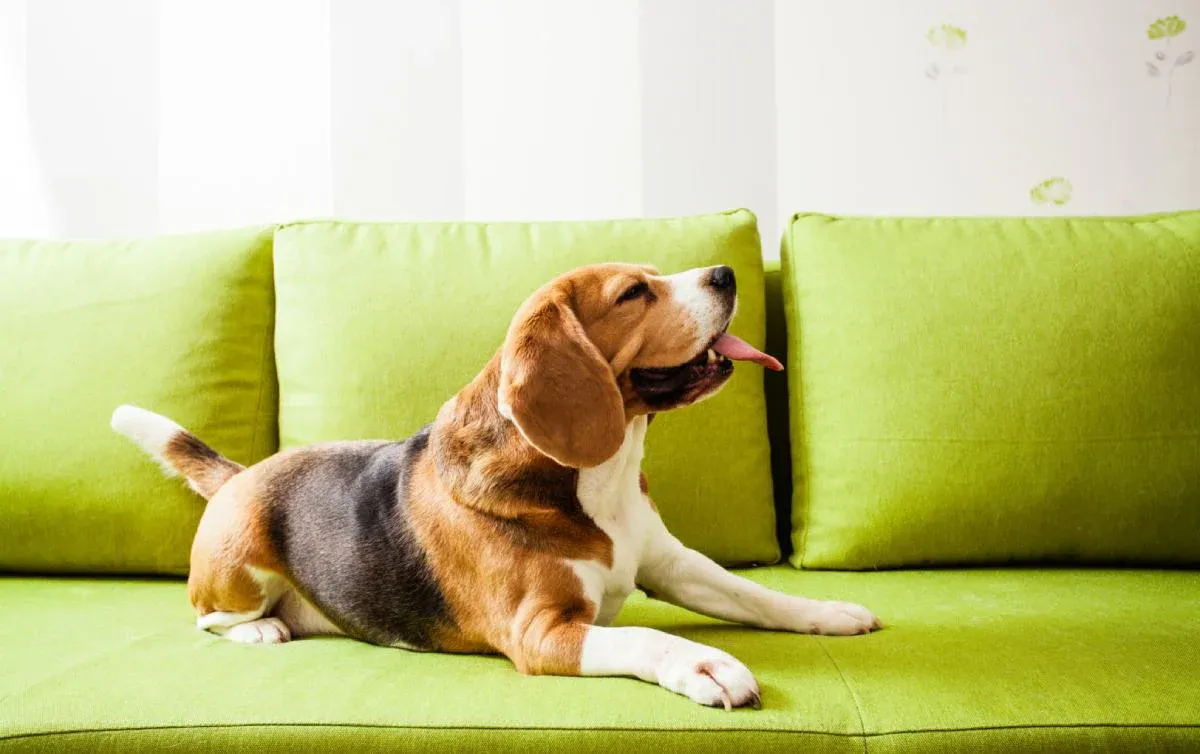
How to Teach Your Dog to Settle
Many dogs aren’t naturally inclined to relax in a human home. Calmness isn’t an innate trait—it’s a skill that can be practiced and reinforced.
Use this three-part approach to teach your dog to settle:
- The Place Cue: Reward your dog for staying on a designated mat or bed in short, achievable steps.
- Capturing Calm: Quietly reward moments of natural calmness, such as soft eyes, a relaxed body, or resting independently.
- Protect Rest: Use a gate, pen, or quiet room to ensure nap times are consistent and rest becomes a normal part of their routine.
Settle training helps shape calmer choices and gradually shifts your dog’s daily patterns toward a more relaxed state.
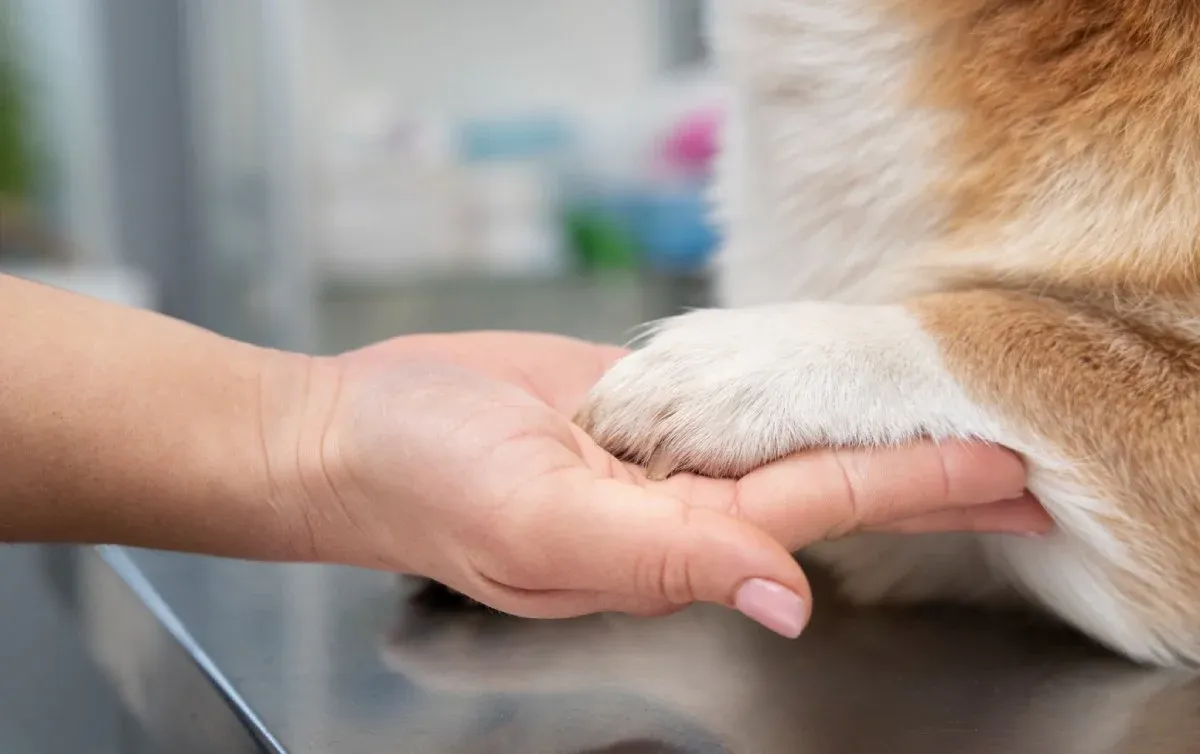
Natural Ways to Calm a Stressed Dog
Natural support works best when layered on top of a structured routine. If you’re learning how to calm an anxious dog, think in terms of small, cumulative steps rather than quick fixes.
Start with these practical options:
- Daily movement in short sessions with built-in breaks
- Engaging hobbies like nose games, lick mats, or “find it” searches
- Gentle massage with slow strokes, stopping if your dog shows discomfort
- Calming supplements that fit into a wellness routine
- Steady background sounds paired with a chew or lick activity
- Crate training as a cozy rest nook, built with positive reinforcement
- Predictable routines that include dedicated rest time
- Basic cues like “wait,” “leave it,” and “drop it” to reduce impulsive decisions
- Consistent meals and portion control
- Calming clothing that applies gentle pressure, tested during calm moments first
If you find yourself repeatedly searching for “what can I give my dog for anxiety?”, use it as a reminder to step back and build a comprehensive plan. Many dogs benefit from lifestyle adjustments combined with targeted support. Always consult your veterinarian to choose options tailored to your dog’s age, health history, and daily rhythm.
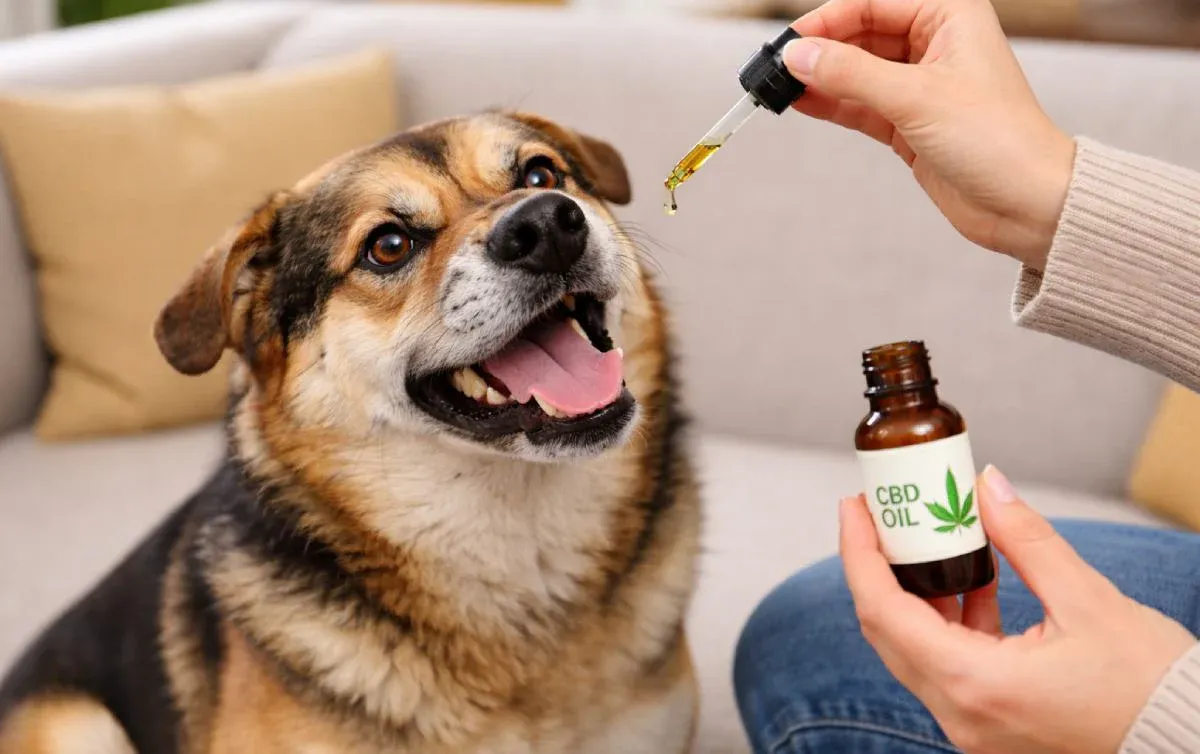 A dog owner administering CBD oil to their pet at home
When to Consult Your Vet
If your dog’s hyperactivity or anxious behavior seems new, is worsening, or is accompanied by sensitivity to touch, changes in movement, or disrupted sleep, it’s time to contact your veterinarian.
Before the visit, note down:
- What happened immediately before the behavior
- Your dog’s posture and breathing during the episode
- How long the behavior lasted
- What helped your dog settle
These details will make the appointment more productive and help your vet provide the best advice.
FAQs
Are some dog breeds more hyperactive or anxious than others?
Yes, some breeds are naturally more energetic or prone to anxiety due to their genetics. However, individual temperament still plays a significant role.
What food is good for dogs with anxiety?
Choose a complete, balanced diet that suits your dog’s needs. If you’re considering a dietary change, consult your veterinarian, especially if your dog has a sensitive stomach.
What sounds help dogs relax?
Soft music and gentle white noise can be soothing, particularly when paired with a chew or licking activity. Keep the volume low and consistent.
How do I get my dog to quit being hyper?
Establish a daily routine that includes sniff walks, training sessions, food puzzles, and protected nap times. Reward calm behavior to reinforce it. Consistency is key to reshaping your dog’s baseline energy levels.
What is the best calming aid for hyper dogs?
The foundation is a steady routine combined with mental stimulation, such as sniffing, puzzles, and short training sessions. If stress continues to disrupt focus, ask your veterinarian about suitable options for your dog.
Do hyper dogs ever calm down?
Yes, many dogs settle as they mature and adapt to consistent routines. Progress may be gradual, but calm moments typically become longer and more frequent with practice.
What is the best thing for a dog with anxiousness?
Reduce triggers where possible, provide choices, and teach coping skills like “place” and calm check-ins. Pair this with enrichment activities that tire the brain and support relaxed behavior.