
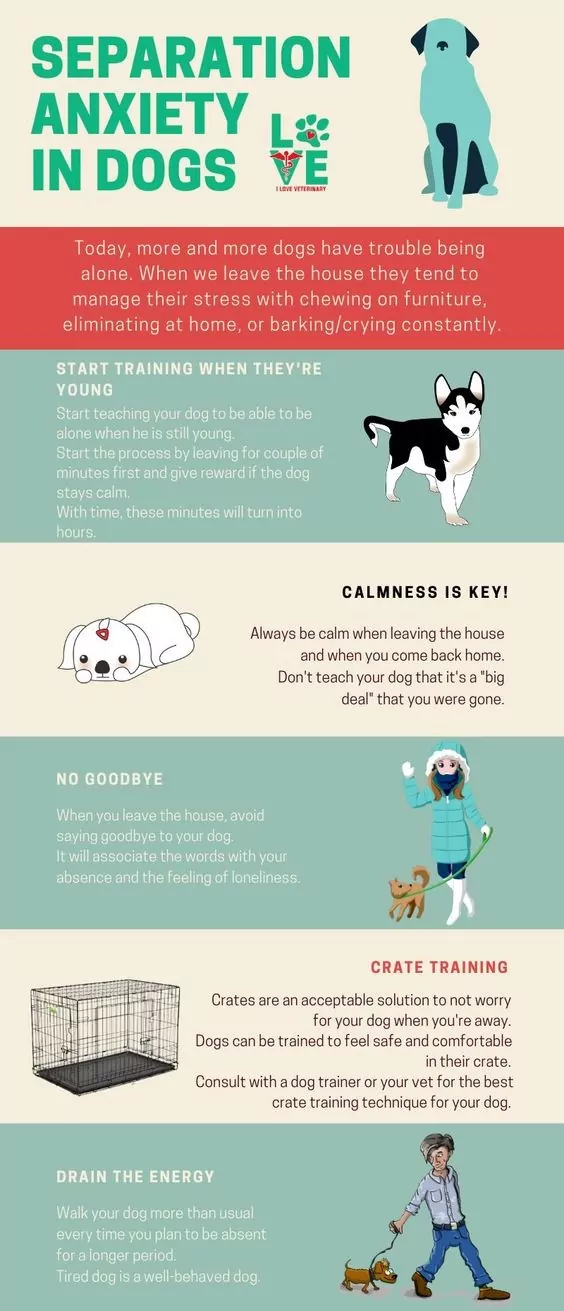
Crating a dog is a common practice, but it’s essential to understand the nuances of its use to ensure your dog’s well-being. Many owners face challenges when their dogs exhibit distress when left alone or in their crates for extended periods. While separation anxiety is a broader issue, the crate itself and the duration spent in it can often be at the core of the problem. This guide delves into the general consensus on dog crating, differentiating between terminology in the US and UK, and focusing on the common collapsible wire cage or plastic airline-style crates. Understanding these guidelines is crucial for responsible dog ownership.
How Long Can an Adult Dog Be Crated?
The consensus among most experts is that an adult dog should not be regularly confined in a crate for more than three to four hours per day. Even this duration can be excessive for some dogs. Organizations like the RSPCA (UK and Australia) and UK government legislation on home boarding suggest a maximum of three hours. While the AKC offers less specific guidance, stating “Never leave dogs in their crate all day,” the 3-4 hour window is a widely accepted guideline for adult dogs, typically defined as those nine months to a year old. It is important to note that this is a cumulative daily limit; if a dog is crated for three hours in the morning, it should not be crated again in the afternoon. Adult dogs generally have developed full bladder control, but prolonged confinement can still lead to discomfort and stress.
What About Puppies?
Puppies require even shorter crating periods. While specific guidelines vary, general recommendations suggest much shorter durations than for adult dogs to prevent distress and accidents. It’s crucial to adhere to age-appropriate limits to avoid negative associations with the crate and to support their developmental needs.
Why the Three to Four-Hour Limit?
While direct scientific studies comparing the behavioral traits of crated versus non-crated dogs are limited, research on social and spatial restriction in laboratory dogs indicates that such confinement can induce measurable, chronic stress. It’s challenging to pinpoint the exact number of hours a pet dog can endure daily confinement before exhibiting elevated stress hormones. However, it is evident that dogs left alone for the majority of a standard working day are at a significant risk of developing issues such as soiling their living space, excessive barking, and destructive behavior. This strongly suggests that eight hours of confinement is detrimental. Keeping a dog crated for an entire workday can cause distress and physical discomfort, as most dogs naturally need to relieve themselves every four hours or so.
Alternative Daytime Arrangements for Dogs
If a crate is not a suitable long-term enclosure for a dog during the day, especially for more than short periods, alternative arrangements should be considered.
Outdoor Kennels
Purpose-built outdoor kennels with a sheltered run can be an option, particularly for groups of dogs. These provide ample space and address bathroom needs, but only alleviate isolation if multiple dogs are housed together.
Indoor Dog-Proof Rooms
Indoors, a dog-proofed room can serve as a safe space. For puppies, a large playpen with a designated puppy pad area can be effective for occasional periods exceeding an hour or two. However, neither a dog-proof room nor a playpen fully addresses the social needs of a dog, as dogs inherently require companionship, especially younger ones.
The Bottom Line on Crating
The reality is that a crate is not an appropriate long-term enclosure for a dog during the day. Regular social isolation can be detrimental to a dog’s overall well-being.
Addressing the “I Have to Work” Dilemma
It’s understandable that accommodating a dog’s needs while working full-time presents challenges. Solutions often involve breaking up the day to provide bathroom breaks, companionship, and opportunities for physical activity. This requires more than a quick five-minute potty break. Options include hiring a dog walker, having a friend or family member visit, or utilizing a doggy daycare center. Sometimes, a larger crate can be helpful, but it does not negate the need for breaks. Exploring options like working from home or bringing your dog to the workplace, which is increasingly accepted by employers, can also be beneficial. Implementing these changes is crucial for improving your dog’s behavior and well-being.
Will a Mid-day Break Solve Everything?
While providing a reasonable mid-day break is beneficial, it cannot guarantee a complete solution for an established case of separation anxiety in a dog that has a history of prolonged crating. Prevention is far easier than treatment, and some negative impacts may already be present. Furthermore, even with a mid-day break, the dog is still crated for longer than recommended daily limits. However, failing to provide such a break when a dog experiences anxiety due to being crated during the workday will likely exacerbate the problems.
It’s frustrating that comprehensive information about the time and attention a dog needs is not always conveyed when puppies are sold. Consulting with your veterinarian about your dog’s troubles and considering environmental enrichment, such as frozen Kongs, can help your dog settle while you are away. Your vet may also be able to prescribe temporary medication to help break the cycle of distress while you implement new routines.
Useful Links: