
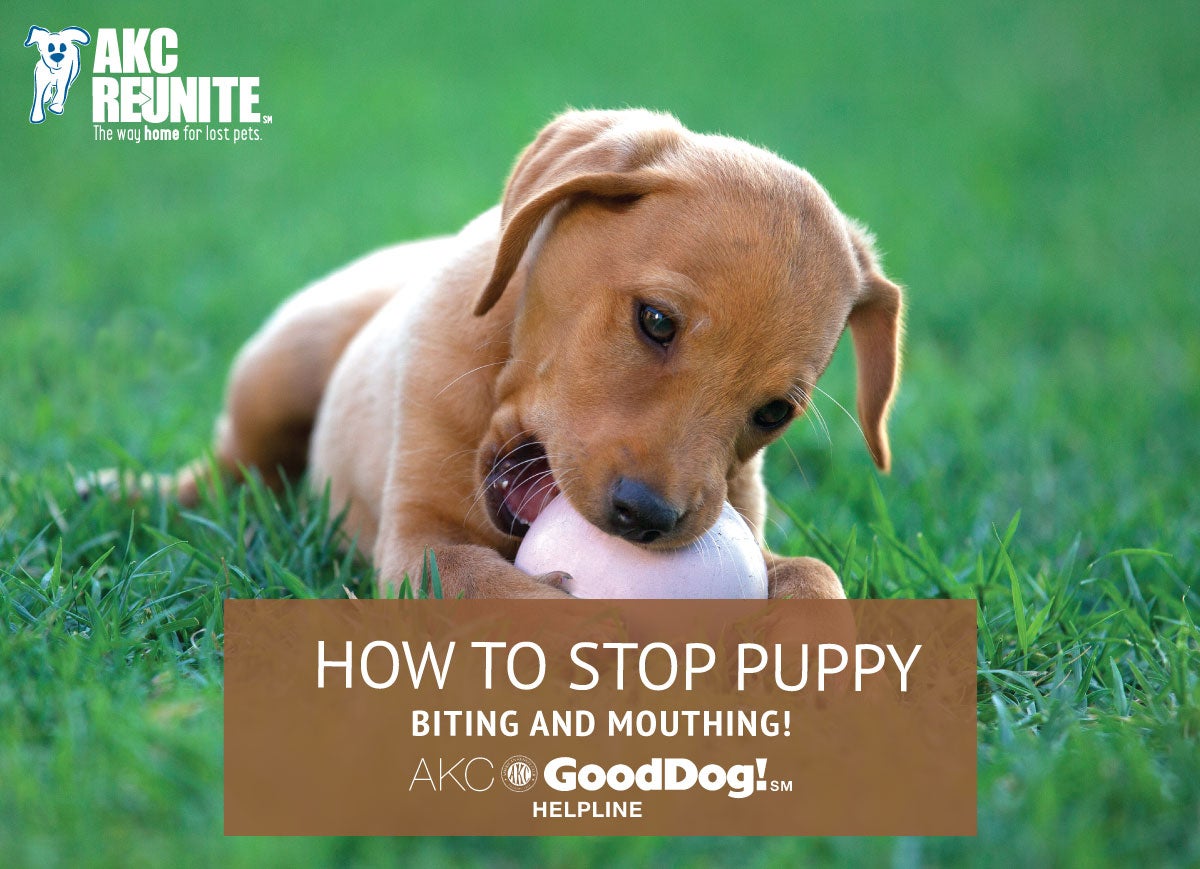
Puppies spend a significant portion of their waking hours playing, chewing, and investigating the world around them. For a young dog, the mouth is the primary tool for exploration. While those needle-sharp teeth are part of their natural development, it becomes a problem when they target your hands, limbs, or clothing. What starts as a “cute” habit at seven weeks can become a painful and destructive behavior by four months. Learning how to train your puppy to stop biting is an essential part of early socialization and household harmony.
Understanding and Teaching Bite Inhibition
The most critical step in addressing puppy mouthing is teaching bite inhibition. This refers to a dog’s ability to control the force of their jaws. Dogs that haven’t learned this don’t realize how sensitive human skin is, leading them to bite too hard during play. Many experts believe that a dog taught to be gentle during play is far less likely to cause serious injury if they ever bite out of fear or pain later in life.
Lessons from the Litter
Puppies naturally learn bite inhibition from their littermates. When a group of pups play-fights, they pounce and nip at each other. If one pup bites too hard, the victim lets out a high-pitched yelp and stops playing. This sudden interruption teaches the “biter” that painful play ends the fun. You can replicate this process at home.
How to Practice Bite Inhibition with Your Puppy
- The Yelp Technique: When playing with your puppy, let them mouth your hands. If they bite too hard, immediately give a high-pitched “Yip!” and let your hand go limp. This should startle them into stopping.
- Positive Reinforcement: If they stop or begin to lick you, praise them warmly and resume play.
- The Rule of Three: Do not repeat this more than three times in a 15-minute window. If the puppy remains overexcited, it is time for a break.
- Implementing Time-Outs: If yelping doesn’t work, use a time-out. When a hard bite occurs, yelp and ignore the puppy for 10 to 20 seconds. If they persist, leave the room entirely for a short period. This teaches them that “gentle play continues, but painful play stops.”
Transitioning: Teeth Do Not Belong on Skin
Once your puppy has learned to be gentle, the next phase of puppy training is teaching them that teeth should not touch human skin at all.
Effective Redirection Strategies
- Substitution: Always have a chew toy or bone ready. If your puppy starts gnawing on your fingers, immediately offer the toy instead.
- Distraction During Grooming: Puppies often mouth hands when being petted. Use your other hand to offer small treats to keep their mouth busy while you stroke them.
- Non-Contact Play: Focus on games like fetch or tug-of-war rather than wrestling with your hands. This creates a healthy distance between their teeth and your skin.
- Managing “Ankle Biters”: If your puppy lunges at your feet when you walk, stop moving immediately. Use a tug toy to redirect their attention before you continue moving.
Environmental and Social Enrichment
A bored puppy is a mouthy puppy. Provide a rotating selection of interesting toys to keep them occupied. More importantly, ensure they have ample opportunities to play with other vaccinated, friendly dogs. Socialization with their own kind is the best way to burn energy and reinforce bite inhibition naturally. Enrolling in a supervised puppy class led by a Certified Professional Dog Trainer (CPDT) is highly recommended for both skill-building and energy expenditure.
Important Precautions for Owners
When working on how to train your puppy to stop biting, your reactions matter as much as the puppy’s actions.
- Avoid Physical Punishment: Slapping, hitting, or scruff-shaking can make a puppy fearful or even more aggressive. It often teaches them that play is a high-stakes, violent activity.
- Don’t Jerk Away: Pulling your hands away quickly mimics the movement of prey and encourages the puppy to pounce. Let your hands go limp instead.
- Avoid Over-Stimulation: Do not wave your fingers in a puppy’s face or slap their sides to entice play, as this actively encourages them to bite.
When Mouthing Becomes Aggression
While most mouthing is normal, it is vital to recognize when a puppy is crossing the line into aggression.
Puppy “Temper Tantrums”
Tantrums usually happen when a puppy is frustrated—such as being held still or handled in a way they dislike. A playful puppy has a relaxed face; an aggressive puppy will have a stiff body, pulled-back lips, or a low growl.
If a tantrum occurs, do not yelp, as this can escalate the behavior. Stay calm and hold the puppy firmly but gently until they stop struggling. Once they are quiet for a moment, release them and seek professional guidance.
Seeking Professional Help
If you suspect your puppy’s biting is rooted in fear or true aggression, contact a Certified Applied Animal Behaviorist (CAAB) or a Diplomate of the American College of Veterinary Behavior (Dip ACVB). Early intervention is key to ensuring these behaviors do not become permanent as the dog grows.
References
- ASPCA. (2024). Behavioral Help for Your Pet.
- Certification Council for Professional Dog Trainers (CCPDT). Professional Standards and Puppy Development.
- American College of Veterinary Behaviorists. Puppy Socialization and Bite Inhibition Guidelines.