
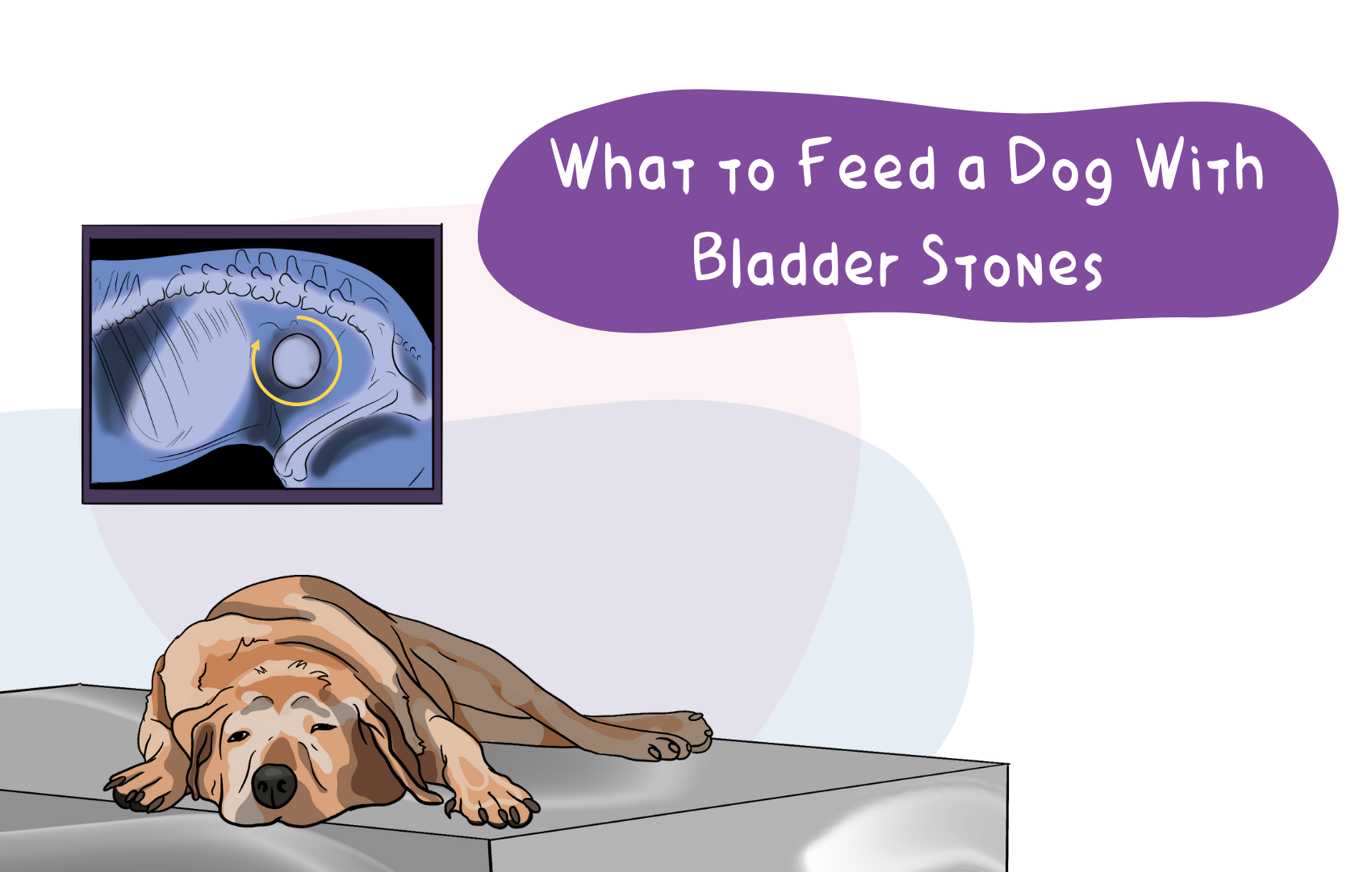
Bladder stones in dogs develop when substances that are normally dissolved in the urine form crystals. Over time, these crystals link and combine to form one or more stones. These stones can grow to such a significant size that they are unable to pass through the dog’s urethra, effectively becoming trapped in the bladder and causing discomfort or dangerous blockages.
Dealing with bladder stones can be a recurring challenge for pet parents. Once a dog has developed them, there is a high probability they will return if preventive measures aren’t established. Fortunately, diet plays a pivotal role in both the treatment and the long-term prevention of these painful stones. Understanding how nutrition influences urinary health is the first step in protecting your canine companion.
Can You Use Food to Treat Dogs With Bladder Stones?
In many cases, specific types of bladder stones can be dissolved using specialized prescription food or medication. By adjusting the nutritional intake, you create chemical conditions in the urine that allow the stones to gradually break down and dissolve back into the liquid.
However, not all stones respond to dietary therapy. Some must be physically removed through:
- Surgery: A traditional cystotomy to manually remove the stones.
- Lithotripsy: Using laser or sound waves to break stones into tiny fragments.
- Urohydropropulsion: A specialized flushing technique using a catheter.
Your veterinarian will recommend the best course of action based on the stone type, quantity, size, and your dog’s overall health.
Treatment Plans Based on Type of Bladder Stone
Different stones require different nutritional approaches. Here is a breakdown of common stone types and how they are managed through diet.
Struvite Stones
Struvite stones (magnesium ammonium phosphate) are common and usually highly responsive to dietary dissolution. Because they are almost always linked to bacterial bladder infections in dogs, antibiotics are typically prescribed alongside a special diet. Dissolving these stones can take several weeks to months. Diets designed for struvite management usually feature:
- Reduced protein, magnesium, and phosphorus.
- Increased salt levels to encourage drinking.
- Acidifying agents to create a lower urine pH.
Calcium Oxalate
These are also very common but, unfortunately, cannot be dissolved with food. They must be physically removed. Once removed, a strict diet is essential to prevent new ones from forming.
Cystine and Purine Stones
Cystine stones are less common and often require diets low in protein and sodium that produce alkaline (high pH) urine. Purine stones (urate or xanthine) are managed similarly. For purine stones, it is critical to avoid high-purine proteins like organ meats and certain fish.
How Special Diets Can Prevent Bladder Stones in Dogs
Preventing the recurrence of stones is often more effective than treating them after they appear. A dog’s diet largely determines the chemical composition of their urine. By utilizing therapeutic dog food, pet owners can reduce the “building blocks” (minerals and waste products) that lead to crystal formation.
- For Purine Prevention: Focus on low-protein diets that avoid purine-rich ingredients and promote alkaline urine.
- For Calcium Phosphate: While no “perfect” diet exists, keeping urine dilute and slightly alkaline is the standard recommendation.
- For Silica Stones: These rare stones are often linked to plant-based ingredients like corn gluten or even drinking water from volcanic areas. A high-animal-protein diet that avoids specific plant fillers is usually recommended.
The Role of Hydration
Regardless of the stone type, hydration is the most critical factor in urinary health. Dehydration leads to concentrated urine, which provides the perfect environment for crystals to precipitate. Conversely, dilute urine keeps stone-forming substances dissolved and moving.
To keep your dog’s urine dilute, consider the following:
- Switch to Wet Food: Canned food has a much higher water content than kibble.
- Add Water to Meals: Mix extra water into their food to ensure they are “eating” their hydration.
- Monitor Urine Specific Gravity (USG): A USG under 1.020 is a common goal. Your vet can show you how to check this at home with a refractometer or through quick clinic visits.
A Note on Homemade Dog Food
Many pet owners prefer home-cooked meals, but this can be risky for dogs prone to stones. Creating a balanced diet that meets specific urinary parameters is complex. If you choose this route, always work with a board-certified veterinary nutritionist. Feeding an unbalanced homemade recipe could inadvertently trigger the formation of new stones.
In conclusion, managing bladder stones requires a partnership between you and your veterinarian. Through clinical nutrition, proper hydration, and regular monitoring, most dogs can live a comfortable, stone-free life. Always consult your vet before making any major changes to your dog’s therapeutic diet.
References:
- American College of Veterinary Nutrition (ACVN)
- Veterinary Information Network (VIN) – Canine Urolithiasis
- Dr. Jennifer Coates, DVM – PetMD Nutrition Archives
Để dùng được toàn bộ chức năng của tất cả các ứng dụng, hãy bật chế độ Hoạt động trên Các ứng dụng Gemini.