
If your dog has been struggling with tummy troubles, diarrhea, or unexplained weight changes, your veterinarian may have mentioned the need for a low fat dog food. This isn’t just a marketing term — for dogs with certain digestive or metabolic conditions, the amount of fat in their diet can make the difference between frequent vet visits and a happily wagging tail. One product that often comes up in these conversations is Hill’s Prescription Diet i/d Low Fat Dry Dog Food, a therapeutic formula designed specifically to support dogs facing digestive challenges. Understanding why fat content matters, and how a specialized diet works, can help any dog owner make more informed decisions alongside their veterinarian.
Why Some Dogs Need a Low Fat Diet
Dogs digest fat differently depending on their individual health status. In a healthy dog, dietary fat is broken down efficiently by enzymes and bile, then absorbed to provide energy. But when a dog has pancreatitis, hyperlipidemia, or certain intestinal disorders, that process breaks down. Fat can sit undigested in the gut, leading to vomiting, loose stools, and abdominal discomfort. In more serious cases, elevated fat levels in the bloodstream can contribute to long-term health complications.
This is where a low fat dog food becomes more than a dietary preference — it becomes a therapeutic tool. According to veterinary nutrition guidance, dogs with impaired fat digestion or lack of sufficient digestive enzymes often see noticeable improvement when fat intake is carefully controlled. Hill’s Prescription Diet i/d Low Fat Dry Dog Food was formulated with exactly this challenge in mind, offering highly digestible nutrition with a reduced fat profile to ease the burden on a sensitive digestive system.
What Makes i/d Low Fat Different
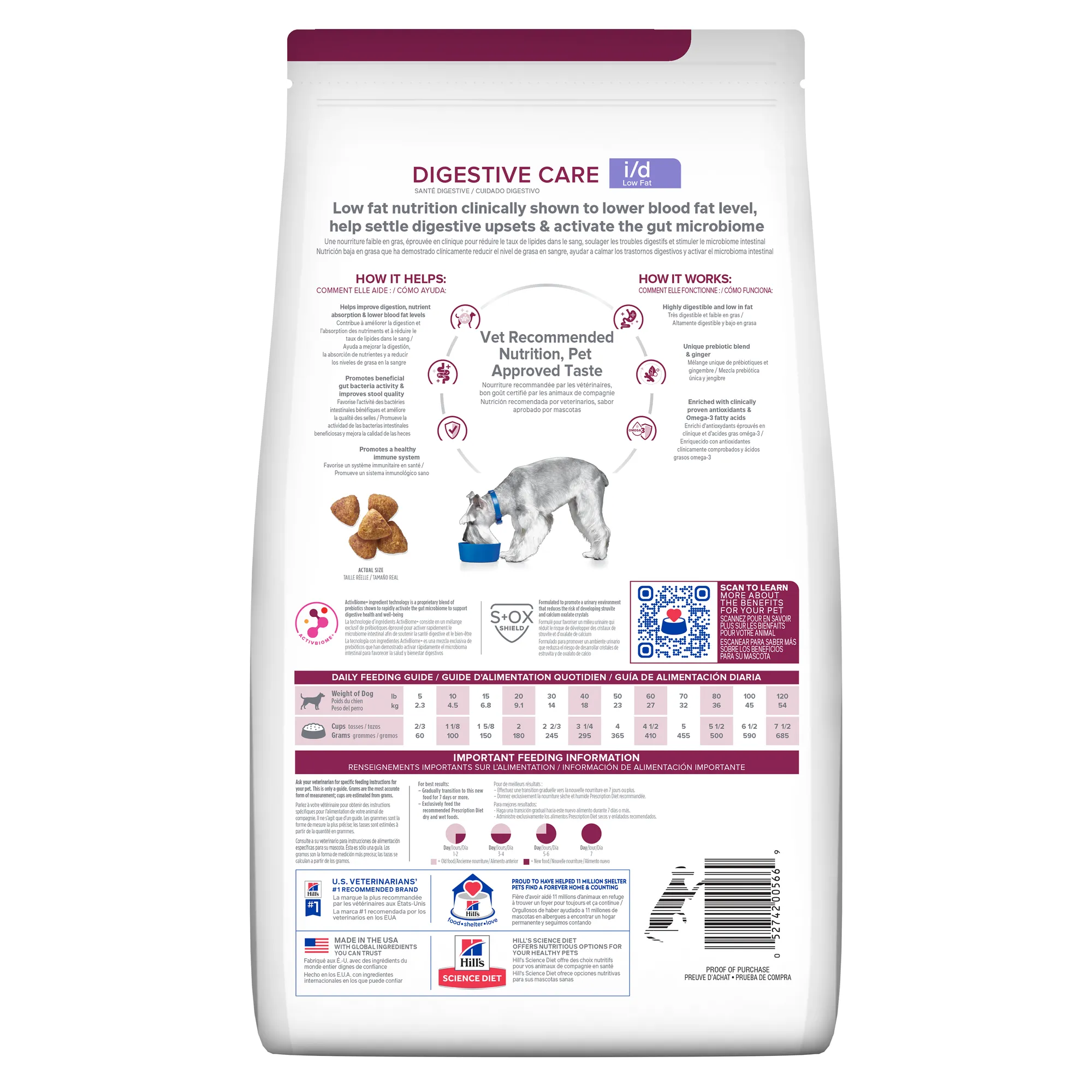
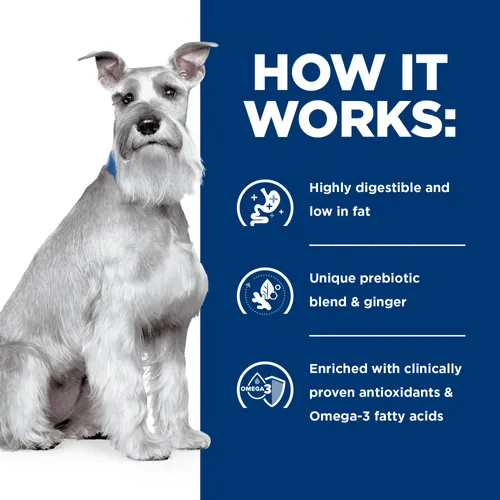
Unlike standard dry dog food, this prescription diet combines several targeted features rather than simply cutting fat content. The formula is highly digestible and low in fat, which helps reduce the workload on the digestive tract while still delivering adequate energy. It also includes a unique prebiotic blend along with ginger, ingredients chosen to soothe digestion and support a healthy gut environment.
One of the standout elements is Hill’s ActivBiome+ Digestion technology, a proprietary blend of prebiotics designed to rapidly nourish and balance a dog’s gut microbiome. Veterinary research increasingly points to the microbiome as a central player in overall digestive and immune health, not just stool quality. By feeding the beneficial bacteria already present in a dog’s gut, this approach aims to restore balance more quickly than fat reduction alone could achieve.
The food is also fortified with added omega-3 fatty acids and clinically proven antioxidants, plus controlled mineral levels. Together, these elements are intended to:
- Improve digestion, nutrient absorption, and help lower blood fat levels
- Promote beneficial gut bacteria activity and improve stool consistency
- Support a healthy immune system
- Reduce the risk of urinary stone formation, an added benefit for dogs prone to struvite or calcium oxalate crystals
Reading the Nutritional Profile
For owners who like to understand exactly what they’re feeding, the numbers tell a clear story. On a dry matter basis, i/d Low Fat contains roughly 26.1% protein, 58.6% carbohydrate, and only 7.5% fat — a notably lean profile compared to many standard adult dog foods, which often run considerably higher in fat content. Fiber sits at 1.8%, supporting healthy stool formation without being excessive.
The caloric density comes to about 3,311 kcal/kg, or roughly 300 kcal per cup, which is useful information when calculating portions for weight management alongside digestive support. The food also includes taurine, vitamin C, vitamin E, and a blend of omega-3 and omega-6 fatty acids, rounding out a nutrient profile built for dogs with specific metabolic needs rather than general maintenance alone.
It’s worth noting that this particular formula is intended for adult dogs and is not recommended for puppies or pregnant and nursing dogs, whose nutritional requirements differ significantly. Animal feeding tests using AAFCO procedures have confirmed the chicken-flavored version provides complete and balanced nutrition for adult maintenance, which gives owners reassurance that lowering fat doesn’t mean sacrificing nutritional completeness.
Feeding Guidelines and Transition Tips
Switching any dog to a new diet — especially a therapeutic one — requires a measured approach. Veterinary nutritionists generally recommend a gradual transition over at least seven days, mixing increasing amounts of the new food with decreasing amounts of the old food. This minimizes digestive upset that could otherwise undermine the very benefits the new diet is meant to provide.
Daily feeding amounts vary by body weight. As a general guide, a 10-pound dog might need around 100 grams per day, while a 50-pound dog could require approximately 365 grams, split into smaller portions throughout the day rather than one large meal. Smaller, more frequent meals tend to be easier on a sensitive digestive system, reducing the chance of bloating or discomfort. As always, these figures are starting points — your veterinarian should tailor the exact amount to your dog’s specific condition, activity level, and body weight goals.
A few practical feeding tips matter just as much as the food itself:
- Exclusively feed the recommended prescription diet rather than mixing in regular treats or table scraps, which can reintroduce excess fat
- Keep fresh water available at all times to support digestion and kidney function
- Have your veterinarian monitor your dog’s weight and stool quality regularly during the transition
The Bigger Picture: Gut Health and Long-Term Wellness
What’s particularly interesting about modern veterinary nutrition is the growing emphasis on the gut microbiome as a foundation for overall pet health, not just digestion. Hill’s nutritional philosophy reflects this shift, built on the understanding that a balanced microbiome influences everything from immune response to nutrient absorption efficiency. This is part of why prebiotic-focused formulas like ActivBiome+ Digestion have become a more prominent feature in therapeutic pet foods over recent years.
For dog owners, this means thinking beyond simply “low fat” as a label and considering the broader nutritional strategy a food represents. A truly supportive digestive diet addresses fat content, fiber balance, prebiotic support, and mineral control simultaneously — which is exactly the kind of multi-pronged approach veterinarians look for when recommending therapeutic nutrition for dogs with chronic or recurring digestive issues.
Talk to Your Veterinarian Before Switching
While a low fat dog food can offer real relief for dogs dealing with digestive upsets or elevated blood fat levels, it should never replace a proper veterinary diagnosis. Conditions like pancreatitis, hyperlipidemia, and certain intestinal diseases require professional evaluation, and prescription diets like i/d Low Fat are specifically designed to be used under veterinary guidance rather than as an over-the-counter fix.
If your dog has been showing signs of digestive distress — vomiting, loose stools, lethargy after meals, or unexplained changes in appetite — the best first step is a conversation with your vet. They can determine whether a low fat formula is appropriate, recommend the right transition plan, and monitor your dog’s progress over time. With the right nutritional support and professional oversight, many dogs with digestive sensitivities go on to live comfortable, active lives. Speak with your veterinarian today to find out whether a low fat dietary approach could make a meaningful difference for your dog’s digestive health.