
Heartworm disease prevention is one of the most important responsibilities for dog owners, yet it is often overlooked until it becomes a serious problem. A single mosquito bite infected with heartworm larvae can silently put your dog at risk of developing a life-threatening condition that affects the heart, lungs, and overall health. Because symptoms often appear late, prevention is far safer, simpler, and more affordable than treatment.
Understanding how heartworm disease works—and how modern preventatives like monthly chewable medications help—can protect your dog throughout every stage of life.
Why Heartworm Disease Is So Dangerous
Heartworm disease is caused by parasitic worms transmitted through mosquito bites. Once inside a dog’s body, the larvae grow into adult worms that live in the heart and pulmonary arteries. Over time, they can cause severe damage, including heart failure, lung disease, and even death if untreated.

What makes heartworm disease especially dangerous is its silent progression. Dogs may appear healthy in early stages while internal damage is already occurring. Treatment is also complex, costly, and can be physically stressful for the animal.
Veterinary experts strongly emphasize that prevention is the safest and most effective strategy.
All Dogs Are at Risk, No Matter Where They Live
Heartworm disease has been reported in all 50 U.S. states and can affect both indoor and outdoor dogs. Mosquitoes can easily enter homes, meaning even pets that rarely go outside are still vulnerable.
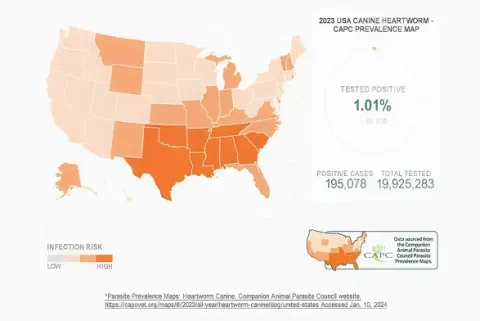
Because mosquito activity varies by region and season, many pet owners mistakenly assume their dog is safe during colder months. However, the risk never fully disappears. This is why veterinarians recommend continuous, year-round heartworm disease prevention.
Monthly preventatives like HEARTGARD® Plus help ensure consistent protection regardless of environmental conditions.
Puppies Need Protection Early
Young dogs are just as vulnerable as adult dogs. In fact, puppies can begin receiving heartworm prevention as early as 6–8 weeks of age, depending on veterinary guidance.
The American Heartworm Society recommends starting prevention early to avoid any gap in protection during the critical developmental stage.

Because puppies have developing immune systems, early prevention ensures they are protected before they are exposed to mosquito bites that may carry heartworm larvae.
Veterinarians typically prescribe monthly chewable preventatives that are safe, easy to administer, and suitable for young puppies without strict weight restrictions.
Year-Round Prevention Is Essential
Many pet owners assume heartworm medication is only necessary during warmer months. However, mosquitoes can survive in unexpected conditions, and even brief exposure can lead to infection.
Skipping doses or using prevention inconsistently creates dangerous gaps in protection. Heartworm larvae can survive long enough to establish infection if monthly coverage is interrupted.
 Dog resting calmly indoors representing consistent year-round care
Veterinary organizations, including the American Heartworm Society, consistently recommend year-round prevention. This ensures that dogs remain protected every day of the year, regardless of temperature or season.
How Monthly Heartworm Prevention Works
Monthly preventatives work by eliminating heartworm larvae before they mature into adult worms. Once administered, they target any larvae that may have infected the dog within the previous 30 days.
This monthly cycle is crucial because it breaks the parasite’s development process early, preventing long-term damage.
HEARTGARD® Plus is one commonly prescribed chewable option that also helps control other intestinal parasites such as roundworms and hookworms. This dual benefit adds extra protection to your dog’s overall health.
Why Monthly Protection Matters
Consistency is the foundation of effective heartworm disease prevention. Missing doses—even occasionally—can leave your dog exposed.
Monthly prevention ensures:
- Continuous elimination of heartworm larvae
- Reduced risk of adult heartworm development
- Stable long-term protection without complex treatment routines
- Added protection against certain intestinal parasites
Veterinarians often stress that prevention works only when given regularly. Setting reminders or aligning doses with monthly schedules can help maintain consistency.
Making Heartworm Prevention a Priority
Protecting your dog from heartworm disease is not just a medical choice—it is a long-term commitment to their health and quality of life. Prevention is significantly easier than treating an established infection, and it avoids unnecessary suffering and financial burden.
Discussing prevention options with a licensed veterinarian ensures your dog receives the most appropriate product based on age, weight, and lifestyle.
Conclusion
Heartworm disease prevention is a simple but essential part of responsible pet ownership. Because infection can happen through something as common as a mosquito bite, every dog is at risk—regardless of breed, age, or living environment.
With consistent monthly prevention, early care for puppies, and year-round protection, dog owners can significantly reduce the risk of this dangerous disease. Working closely with a veterinarian ensures your pet stays healthy and protected throughout every season of life.
References
- American Heartworm Society. Heartworm Guidelines and Prevention Recommendations
- Veterinary Clinical Parasitology Resources on Canine Heartworm Disease
- HEARTGARD® Plus Product Information (ivermectin/pyrantel prescribing details)
- Companion Animal Parasite Council (CAPC) Heartworm Risk Data