
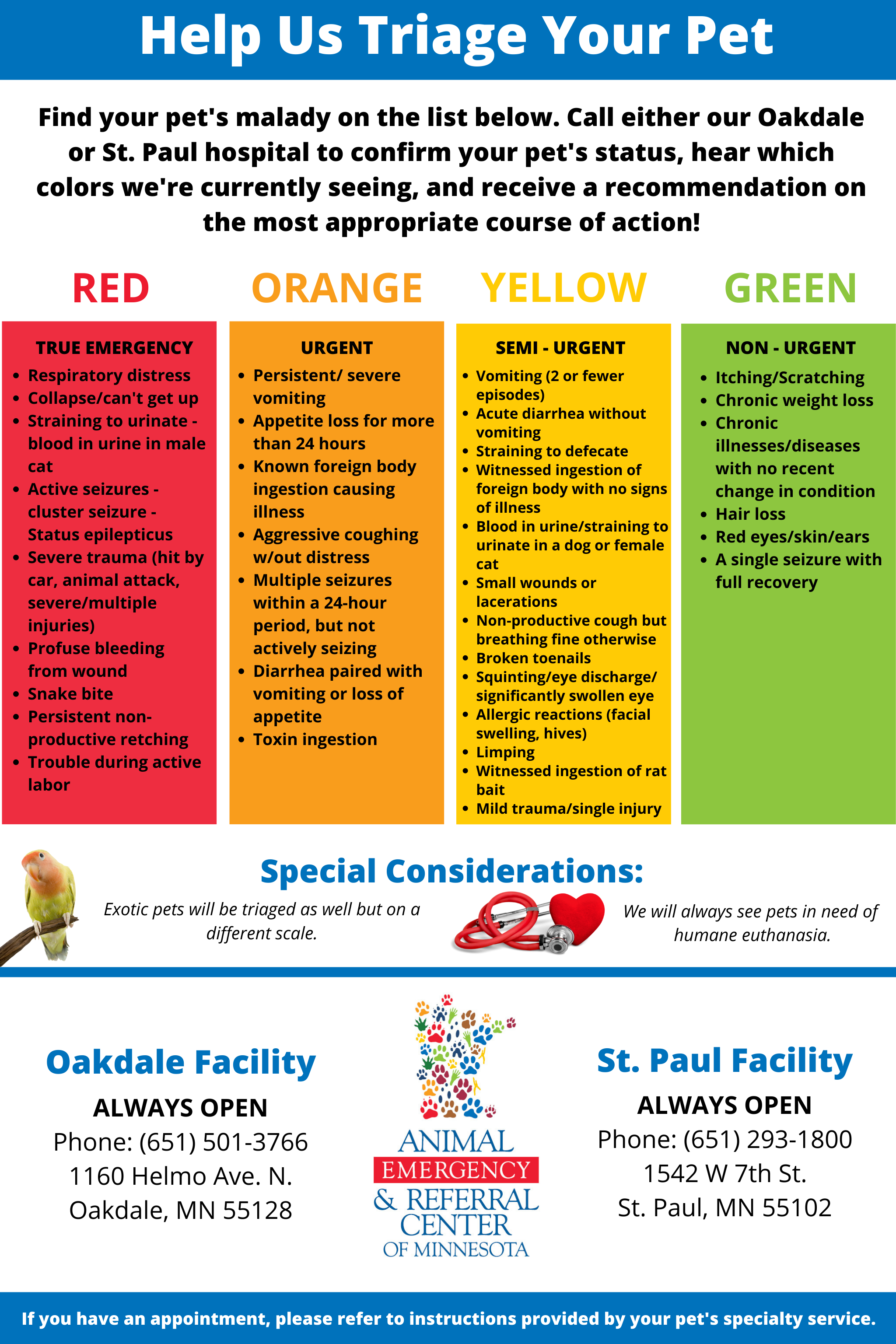
As a devoted pet owner, recognizing when your furry companion needs immediate medical attention is crucial. While your regular veterinarian is your first point of contact for routine care, certain situations demand more urgent or emergency services. Understanding the difference between emergency veterinary care and urgent care can ensure your pet receives the right treatment at the right time, potentially saving their life. This guide will help you navigate these critical decisions, offering clarity on conditions that require immediate hospital visits versus those that can be addressed by an urgent care facility.
Emergency Veterinary Care: Life-Threatening Situations
Emergency veterinary care is for pets experiencing life-threatening conditions or severe trauma that require immediate intervention. If your pet exhibits any of the following signs, do not hesitate to take them to the nearest emergency veterinary hospital:
- Severe Trauma: Accidents like being hit by a car or significant falls can cause severe internal injuries. Prompt evaluation by a veterinary professional is essential.
- Collapse or Loss of Consciousness: This can be a symptom of various critical issues, including internal bleeding, heart problems, low blood sugar, neurological disorders, or poisoning. Immediate diagnosis and treatment are vital.
- Significant Bleeding: Uncontrolled bleeding, especially if it persists for more than five minutes, is a medical emergency. Apply pressure to the wound and proceed directly to an emergency clinic.
- Respiratory Distress: Rapid breathing, noisy respirations, exaggerated chest movements, or blue gums indicate a severe breathing problem that can quickly become fatal.
- Toxin or Foreign-Body Ingestion: If you suspect your pet has eaten something poisonous or a foreign object, immediate veterinary examination is necessary.
- Paralysis: Inability to move limbs could signal a fractured spine or disk herniation, requiring urgent intervention to prevent permanent paralysis.
- Heatstroke: Pets are highly susceptible to overheating. If your pet’s temperature exceeds 105 degrees Fahrenheit, begin cooling them and rush them to an emergency room.
- Severe Diarrhea or Vomiting: Especially when accompanied by fever, lethargy, or pain, these symptoms in puppies and kittens can be life-threatening.
- Inability to Urinate or Defecate: Straining without success indicates a serious blockage or other emergency.
- Broken Bones: Bone fractures require immediate attention to manage pain and promote proper healing.
- Bloat (Gastric Dilatation-Volvulus): This is a rapid, life-threatening condition where a dog’s stomach fills with gas and twists. Emergency surgery is the only treatment.
- Seizures: While a single, short seizure might not be an immediate emergency, seizures lasting longer than five minutes or occurring in clusters require emergency care.
Urgent Veterinary Care: Prompt Attention for Non-Life-Threatening Conditions
Urgent veterinary care is designed for pets needing prompt attention for conditions that are not immediately life-threatening but cannot wait for a regular appointment. If your pet presents with the following, an urgent care facility is an appropriate choice if your regular vet is unavailable:
- Vomiting and Diarrhea: More than two bouts within 24 hours, especially if your pet seems otherwise normal, warrants an urgent care visit. Severe cases should go to an emergency clinic.
- Minor Wounds: Small open wounds can be effectively cleaned, treated, and bandaged at an urgent care facility.
- Eye Injuries: Squinting, excessive tearing, or visible eye injuries need timely assessment to prevent vision loss.
- Ear Infections: The pain associated with ear infections can be severe, making urgent care a necessary option.
- Lameness: Limping without signs of distress can often be managed by an urgent care veterinarian.
- Fever: A mild fever (below 105 degrees Fahrenheit) can be addressed at an urgent care facility.
- Inappetence: A decreased appetite can signal an underlying issue that requires prompt, though not necessarily emergency, evaluation.
- Severe Skin Conditions: Significant hot spots or rashes can cause considerable discomfort and are best treated by an urgent care professional.
- Blood in Urine or Stool: While concerning, this can often be managed with prompt care at an urgent care clinic.
Preparing for an Emergency or Urgent Care Visit
When your pet needs care at an emergency or urgent care facility, it’s natural to feel anxious. Remember to stay calm and focus on providing the best possible outcome for your pet.
- Be Patient: The veterinary team is working diligently to provide your pet with the best possible treatment.
- Financial Preparedness: Be ready to pay for services on-site. If you have pet insurance, have your policy information handy and contact your provider.
- Inform Your Regular Veterinarian: After receiving emergency or urgent care, ensure your regular vet is updated so they can provide any necessary follow-up treatment.
Unexpected illnesses and accidents are a part of pet ownership. Being prepared to seek the appropriate veterinary care facility ensures your pet receives the immediate treatment they need. For assistance in locating a facility, use our locator to find an emergency veterinary hospital or urgent care clinic near you.