
Omega fatty acids are crucial for your pet’s overall well-being, playing a significant role in various bodily functions. At Grizzly, we are dedicated to providing high-quality omega supplements and educating pet parents on their benefits. This guide delves into the “whys,” “whats,” and “hows” of omega supplementation, empowering you to make informed decisions for your furry companion’s health.
Why Your Pet Needs Omega Supplements
Many commercially available pet foods are formulated with an imbalanced ratio of omega-6 to omega-3 fatty acids, often containing too many omega-6s and not enough omega-3s. Supplementing your pet’s diet with Grizzly omega products helps restore this balance, ensuring they receive the optimal ratio for peak health.
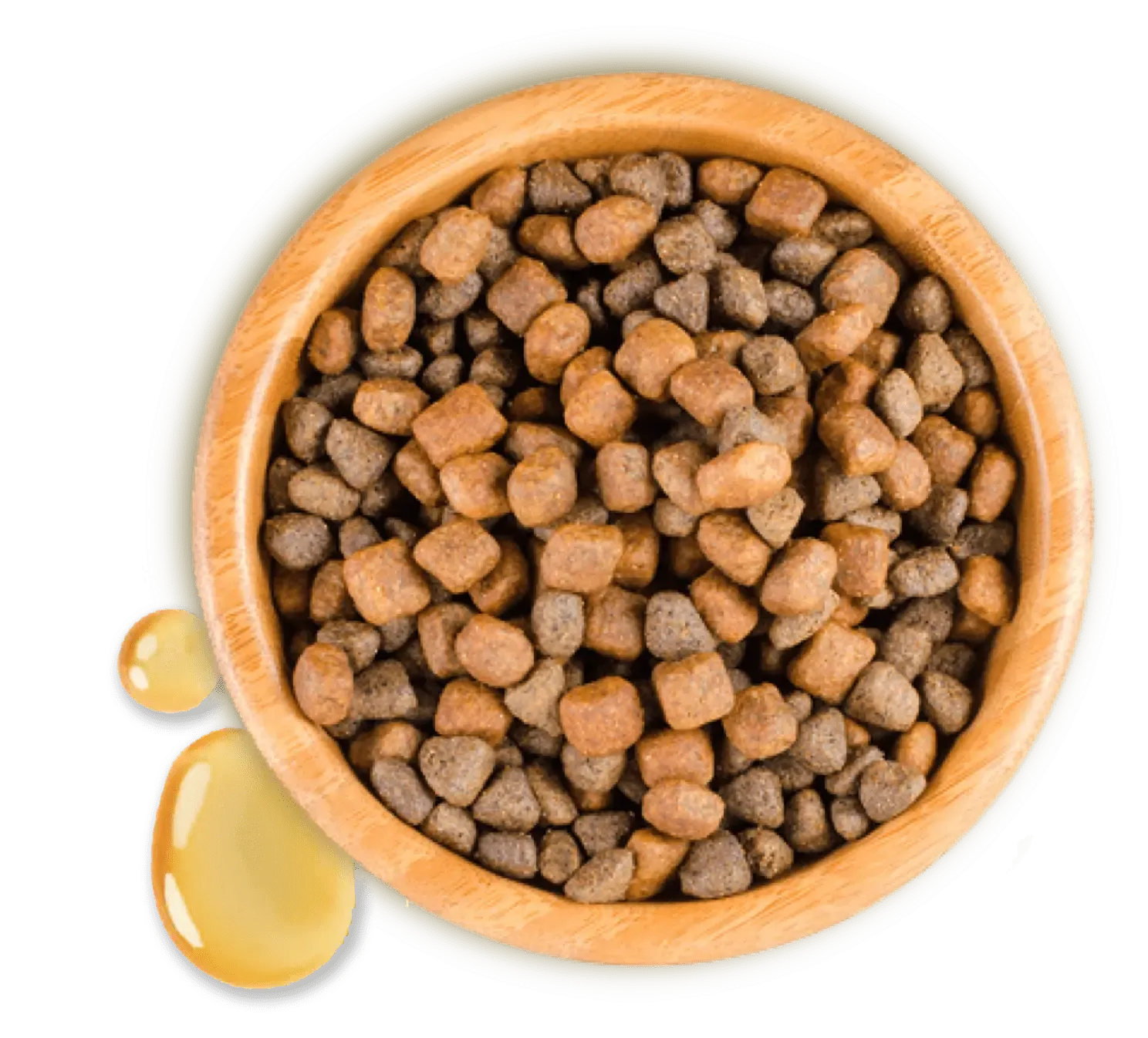
The Role of Omegas in Your Pet’s Body
Omega-3 Fatty Acids
Omega-3s are essential nutrients that must be obtained through your pet’s diet. Key omega-3s like EPA (eicosapentaenoic acid) and DHA (docosahexaenoic acid) are primarily found in marine sources, such as cold-water fatty fish. EPA and DHA are vital for supporting a robust immune system, healthy cardiovascular and nervous systems, joint function, and promoting healthy skin and coat. ALA (alpha-linolenic acid), found in plant sources, also contributes to skin and coat health, but it is less bioavailable for pets compared to EPA and DHA.
Omega-6 Fatty Acids
Omega-6 fatty acids are also essential for maintaining healthy cell function. However, an excess of omega-6s in the diet can potentially trigger inflammation within your pet’s body.
Omega-9 Fatty Acids
Omega-9 fatty acids are generally not considered a primary nutritional concern because a pet’s body can synthesize them as needed. The body can also utilize excess omega-9s as a calorie-dense energy source.
How Grizzly Omega Oils Stand Out
Grizzly’s omega fish oils are crafted using 100% wild-caught fish, which naturally possess significantly higher levels of omega-3s compared to fish from aquaculture. Farmed fish diets can sometimes include up to 15% vegetable oil, increasing their omega-6 content. Furthermore, wild-caught sourcing is a more environmentally sustainable practice than fish farming, which can lead to the release of waste, chemicals, antibiotics, hormones, and algicides that negatively impact marine ecosystems.
Some omega supplements rely solely on plant-based oils rich in ALA. As mentioned, ALA requires a three-step conversion process in a pet’s digestive system to become EPA and DHA, making it less readily available. Plant-based foods rarely contain significant amounts of EPA or DHA, except for fresh seaweed. Grizzly exclusively uses wild fish and microalgae, which are naturally rich in EPA and DHA, to formulate our omega supplements, ensuring optimal support for your pet’s long-term health and vitality.
Comparing Grizzly Omega Products
| Pet Health Goal | Salmon Plus | Pollock Oil | Algae Plus |
|---|---|---|---|
| Skin & Coat Health | * | * | * |
| Heart Health | * | * | * |
| Organ Health | * | * | * |
| Puppy Development Health | * | * | * |
| Immune System Health | * | * | * |
| Supports Hip & Joint Health | * | * | * |
| Supports Central Nervous System | * | * | * |
| Wild-Caught Fish | * | * | |
| No Fishy Smell / Breath | * | * | * |
| Vegan / Vegetarian | * |

Join Our Adventure
Stay updated on the latest from Grizzly Pets and discover more about the profound benefits omegas can offer your beloved pet.
Questions?
If you have any further questions regarding omega supplementation for your pet, please do not hesitate to reach out. We are happy to assist you.