
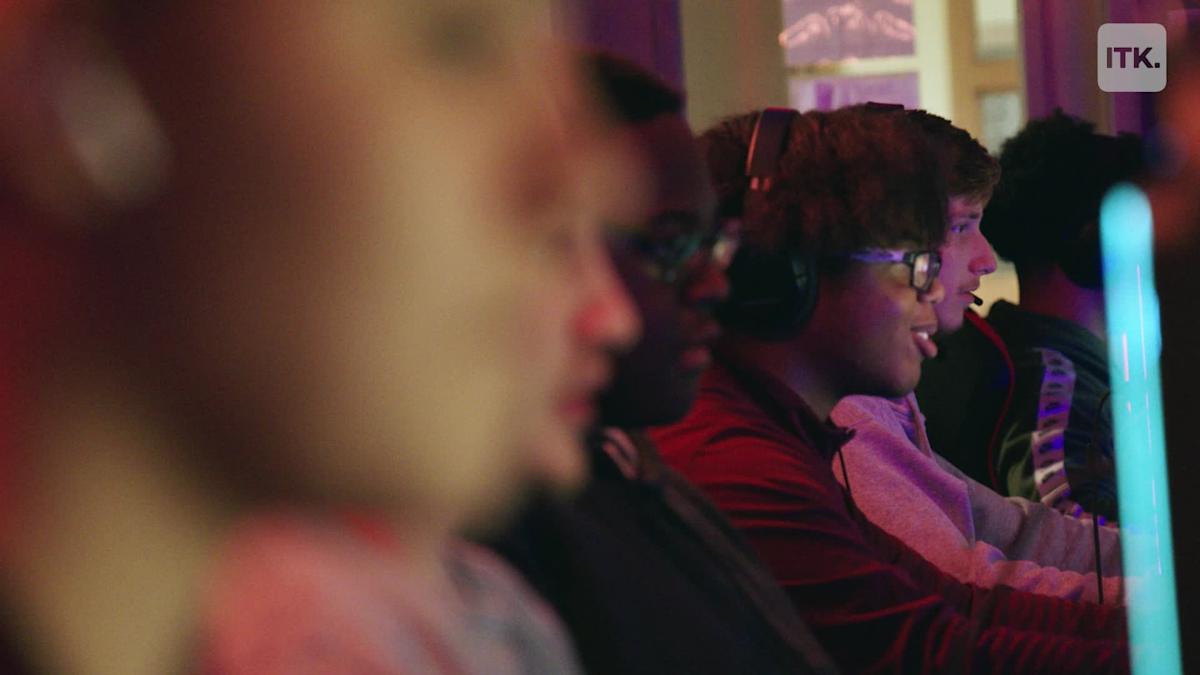
In the modern university landscape, online gaming has evolved from a niche hobby into a cornerstone of student life. For many college students, gaming is seamlessly woven into their daily routines, pairing naturally with late-night study sessions and the unique social environment of campus living. According to data from Pew Research, 41% of college gamers play after 9 p.m., while only a small fraction (8%) engage before noon. This digital landscape isn’t just about solitary play; it is a deeply social experience where students interact via multiplayer platforms, instant messaging, and in-person gaming sessions, fueled by the accessibility of high-speed Wi-fi and affordable technology.
The Evolution of Gaming Spaces on Campus
The physical footprint of gaming on campus is expanding rapidly. While many students still play in their residence halls, universities are increasingly investing in dedicated “gaming labs” within libraries, cafes, and computer centers. These public settings serve as social hubs where entertainment and community building go hand-in-hand.
Beyond casual play, a significant number of institutions are building standalone esports arenas. These facilities support varsity programs and club members, allowing them to train and compete in organized leagues. Traditional collegiate conferences, such as the Mid-American Conference (MAC) and the Metro Atlantic Athletic Conference (MAAC), have even established sanctioned esports leagues, legitimizing gaming as a competitive pursuit on par with traditional sports.
Organized Leagues and Iconic Rivalries
The infrastructure supporting collegiate esports is robust and growing. Organizations like eFuse—which operates the College Carball Association (Rocket League) and College COD—now work with over 500 schools. Additionally, more than 175 institutions are official members of the National Association of Collegiate Esports (NACE). These governing bodies provide the framework necessary for university students to compete at professional levels.
Perhaps the most exciting development is the extension of legendary sports rivalries into the digital realm. A prime example is the collaboration between The Ohio State University and the University of Michigan. Using a custom Fortnite map featuring campus landmarks and school logos, these rivals compete in events like “The MFAM Gauntlet Presents Ohio State vs. Michigan.” These tournaments feature a mix of student-athletes, esports program members, and professional content creators, drawing massive engagement from the gaming community.
Social Impact and Academic Growth
Contrary to the stereotype of the isolated gamer, gaming has a profoundly positive impact on students’ social lives. Research indicates that 46% of students play multiplayer games, fostering a sense of belonging and community. Logan Lewis, Esports Coordinator for the University of Akron, notes that gaming in academia creates a community for students who previously lacked representation.
Furthermore, the benefits extend into the classroom. Several studies suggest that students who engage in gaming during the week often display better interpersonal skills and even achieve higher grades. By navigating complex digital environments like the Metaverse, students develop the digital literacy and technical skills essential for success in the modern workforce.
Strategic Opportunities for Brands
For brands, the collegiate gaming demographic represents a forward-thinking and highly influential target group. While students may not yet have peak purchasing power, they are at a pivotal stage where they begin forming long-term brand loyalties. Marketing to this audience requires an authentic and flexible approach, engaging them on the platforms they frequent most, such as Discord, TikTok, and Instagram.
By integrating into the esports ecosystem, brands can establish preferences in key sectors—from automotive and insurance to telecommunications and home services. Aligning with gaming naturally associates a brand with innovation and technology, two values that resonate deeply with the modern student.
Conclusion
Collegiate esports is no longer just a trend; it is a foundational element of the university experience that fosters community, skill development, and brand loyalty. As wireless technology and broadband access continue to expand, the influence of student gamers will only grow stronger. For universities and brands alike, the opportunity lies in engaging with this community natively and authentically through their passion for play.
References
- Pew Research Center: Reports on student gaming habits and digital life.
- CMLTD Games Research Lab (Columbia University): Studies on the prevalence of gaming in youth and high school demographics.
- National Association of Collegiate Esports (NACE): Official membership and governing data for university programs.
- eFuse: Data regarding school participation in collegiate leagues like Rocket League and Call of Duty.