
The phrase “it’s fun with friends” often carries a stigma, as almost anything can be enjoyable with company. However, the Army of Two series, for many, embodied this “fun with friends” mantra in a positive light. This raises the question: what became of the series?
Launched in March 2008, Army of Two entered the third-person shooter genre, utilizing cover mechanics. While it offered tight controls for its time, its true appeal lay in its two key selling points. The first was the extensive customization. Players could alter their masks, adding a personal touch to their characters’ appearance. Weapon customization was also a significant feature, allowing modifications to handling, magazine capacity, and even the addition of gun shields. This level of personalization not only enhanced replayability but also allowed players to express their unique style. The second, and arguably more crucial, feature was its co-op focus. Throughout each level, players were frequently prompted for cooperative actions. These ranged from traversal challenges, like assisting a partner over an obstacle, to coordinated sniping or the powerful “back-to-back” ability. This mode provided infinite ammunition, enabling players to decimate enemies in unison.
Army of Two: The 40th Day arrived in January 2010, building upon and expanding the features of its predecessor. Customization options for weapons were significantly increased. Furthermore, players could design their own masks on the game’s website, theoretically offering an unlimited number of mask designs. While the first game featured some humorous writing, The 40th Day amplified this, injecting genuine charm and numerous laugh-out-loud moments. Many players, myself included, have fond memories of countless hours spent with friends progressing through this title.
So, what happened to Army of Two? For many fans, the series effectively concluded after its initial two installments. However, a third game, Army of Two: The Devil’s Cartel, was released.
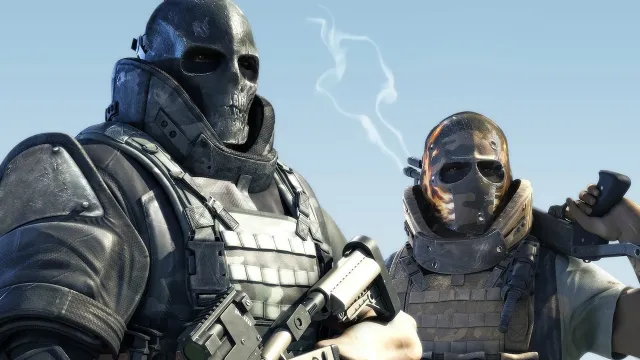
Launched in March 2013, The Devil’s Cartel aimed to replicate the success of its predecessors but is widely considered to have lost the series’ original soul. The extensive customization that defined the earlier games was reduced, with a greater emphasis placed on realism. Mask customization was integrated into the game itself, eliminating the need for an external website, and a larger variety of developer-created masks were made available for purchase. While these changes might seem minor, the key factor that contributed to the game’s downfall was the removal of many co-op interactions.
These unique co-op mechanics were central to what set Army of Two apart. They enabled players to experience missions differently depending on their chosen character. Sometimes, this meant accessing slightly different areas of a map or providing suppressing fire while a teammate advanced. These interactions fostered a sense of shared experience and emergent gameplay. This, combined with a shift towards a more serious tone, the replacement of the original main characters, and a lack of standout set pieces, resulted in The Devil’s Cartel receiving mediocre reviews. While the series had never achieved critical acclaim, consistently being considered a B-tier title, the removal of fan-favorite features led to a disappointing worldwide sales figure of only 260,000 copies. Ultimately, poor sales and negative fan and critic reception led to the quiet demise of the Army of Two series.
Perhaps one day, Army of Two will make a return. The hope is that it will come back with its original spirit and focus on cooperative gameplay intact, potentially recapturing the magic that made the early titles so memorable for their dedicated fanbase.
References
- GameGrin. (2020, July 31). Whatever Happened To… Army of Two? Retrieved February 23, 2026, from https://www.gamegrin.com/articles/whatever-happened-to-army-of-two/