
Fungal infections in dogs, while perhaps less commonly discussed than bacterial or viral counterparts, can pose significant health risks. These infections can stem from external sources like other animals or the environment, or arise from the opportunistic overgrowth of fungi naturally present on a dog’s own body. Recognizing the signs and understanding the various types of fungal infections is crucial for prompt and accurate diagnosis and treatment, ensuring your canine companion remains healthy and well.
Common Fungal Skin Infections in Dogs
When a dog’s scratching becomes excessive, it can be a cause for concern, signaling potential allergies, flea bites, or infections. Persistent itching, leading to bald spots or skin damage, warrants a veterinary investigation. While flea dirt or visible fleas are straightforward indicators for immediate treatment, persistent or unexplained itching should not be self-diagnosed. A veterinarian can conduct a thorough physical examination and specific tests to pinpoint the cause, determining if a fungal infection is at play.
Ringworm
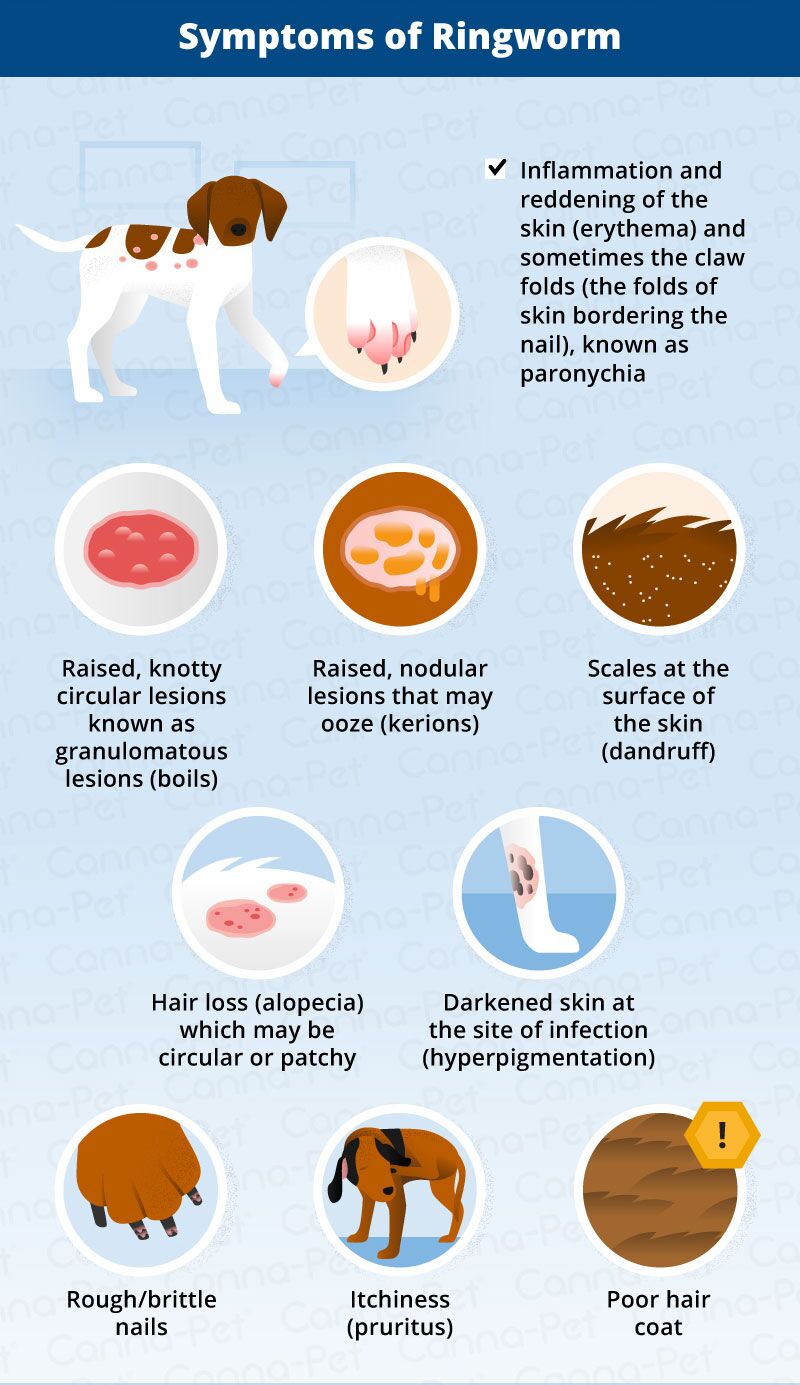
Ringworm is a prevalent fungal infection that can affect a dog’s skin, coat, and nails. Key symptoms include hair loss, itchiness, and the appearance of flaky or crusty skin. Nails may become brittle or misshapen. Due to its highly contagious nature, prompt treatment is essential to prevent its spread to other pets and humans. A veterinarian typically diagnoses ringworm through a fungal culture of skin or hair samples or a microscopic examination. Treatment options range from medicated baths and dips to oral antifungal medications. Thorough environmental cleaning, including vacuuming and disinfecting the home, is also vital to curb transmission.
Yeast Infections
An overgrowth of yeast, commonly found on a dog’s skin, paws, and ears, can lead to uncomfortable yeast infections. These are often secondary to underlying issues like allergies that compromise the skin’s natural ability to regulate yeast populations. Diagnosis often involves examining an impression smear of the affected area under a microscope, where yeast cells appear as small, purple-peanut-shaped structures. Treatment typically involves topical antiseptic or antifungal medications, with oral medications reserved for more severe cases. Unlike ringworm, yeast infections are not contagious. Addressing any underlying conditions is key to preventing recurrence.
If your dog exhibits persistent itching and scratching, seeking veterinary attention is paramount. It may require multiple visits or consultation with a veterinary dermatologist to identify the root cause.
Systemic Fungal Infections in Dogs
Beyond surface-level skin issues, fungal infections can invade deeper bodily structures, leading to more severe health consequences. Several systemic fungal infections can affect dogs:
Blastomycosis
This infection is more common in dogs exposed to specific soil types found in regions like the Mississippi and Ohio River valleys, and around the Great Lakes. Dogs that explore and sniff in the dirt are at risk of inhaling fungal spores, which can initiate a lung infection. The infection can then disseminate throughout the body, manifesting in symptoms such as poor appetite, weight loss, coughing, difficulty breathing, lameness, eye issues, skin lesions (especially around the nails), enlarged lymph nodes, and fever. Early detection and treatment with oral antifungal medication can be curative.
Cryptococcosis
While more frequently observed in cats, dogs can contract a more severe form of cryptococcosis. This fungus, found in soils worldwide, is often associated with areas frequented by pigeons. Inhalation of the fungus typically leads to a lung infection, which can then spread. Symptoms can include lethargy, coughing, nasal discharge, eye problems, skin lesions, and even seizures or other neurological abnormalities. Treatment can be challenging, often requiring prolonged oral antifungal therapy, and unfortunately, not all dogs survive.
Coccidioidomycosis (Valley Fever)
Dogs can contract coccidioidomycosis by inhaling dust or soil containing coccidioides fungal spores, prevalent in arid regions like California, Arizona, Nevada, New Mexico, and Texas. Environmental disturbances like high winds or construction can aerosolize these spores. The infection might manifest as a chronic cough, or in immunocompromised dogs, it can lead to pneumonia or spread to other organs like bones or eyes. Diagnosis typically involves radiographs, blood tests, and cell testing. Long-term oral antifungal treatment is necessary, but the prognosis is generally good if diagnosed early.
Histoplasmosis
This soil-borne fungus thrives in the temperate climates of the Ohio and Mississippi River Valleys. It is often found in nitrogen-rich soil, such as that containing bird or bat droppings. Inhalation of the organism is the usual route of infection. Symptoms in dogs can include weight loss, fever, cough, eye inflammation, vomiting, and diarrhea. Diagnosis often involves a combination of blood and urine tests, radiographs, and sometimes biopsies. Long-term antifungal medication is the treatment, but prevention involves restricting access to contaminated soil.
Aspergillosis
Aspergillus fungus infections typically affect a dog’s nasal passages. This fungus is widespread in most soils, meaning dogs in various locations can be affected. Treatment usually involves anesthetizing the dog and infusing the nasal passages with a liquid antifungal medication. Most dogs recover with appropriate treatment, though a second course may be needed in some instances.
Preventing Fungal Infections in Dogs
Fungal infections in dogs can range from mild irritations to life-threatening systemic illnesses. While complete prevention isn’t always feasible, employing common-sense measures can significantly reduce risk. If you reside in an area endemic for specific fungal infections, it’s advisable to avoid high-risk environments. Dogs diagnosed with ringworm should be isolated to prevent transmission. Crucially, managing any underlying health conditions that predispose your dog to fungal infections is a vital preventative step.