
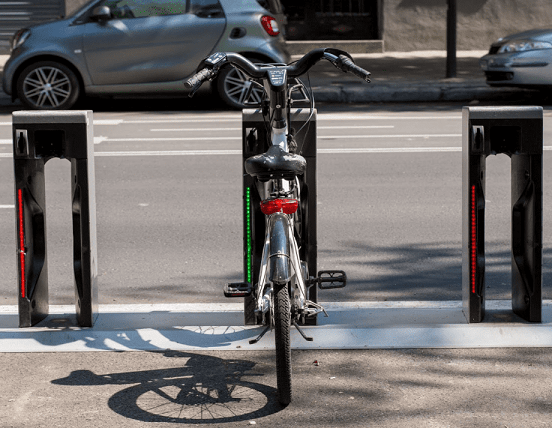
Fayetteville, North Carolina, is taking a significant step towards promoting sustainable transportation with its network of four free Electric Vehicle (EV) charging stations available to the public. Operated by PWC, these stations aim to increase the accessibility of EV infrastructure and encourage the adoption of cleaner vehicle technologies. This initiative aligns with broader efforts to improve air quality and reduce carbon emissions, making EV ownership a more practical and appealing option for residents. As the automotive industry shifts towards electrification, understanding the availability and benefits of charging infrastructure is crucial for both current EV owners and those considering the switch. Learn More about National Drive Electric Week.
The PWC charging stations are strategically located across Fayetteville, with three situated in popular park areas: Honeycutt Park, Lake Rim Park, and Clark Park. The fourth station is conveniently located at Marketfair Mall on Campground Road. These locations ensure easy access for a wide range of users. Additionally, the City of Fayetteville offers its own charging stations downtown on Franklin Street and at the Transportation Museum.
These PWC-operated Level 2 charging stations are part of the extensive ChargePoint Network, the world’s largest EV charging network. Each station is equipped with two charging ports. While the charging service is free for users, registration with ChargePoint is required to utilize the stations. This process ensures efficient management of the network and user access. The installation of these stations was supported by a $37,000 grant from the North Carolina Clean Energy Technology Center, underscoring a commitment to advancing clean energy solutions.
The PWC Clean Fuel Advanced Technology project, which encompasses these charging stations, is dedicated to enhancing local air quality and raising public awareness about the benefits of clean transportation. Electric vehicles play a pivotal role in this mission as they produce zero tailpipe emissions, directly contributing to reduced levels of greenhouse gases like carbon dioxide. Furthermore, EVs typically boast lower operational and maintenance costs compared to traditional gasoline-powered vehicles. The cost of electricity to power an EV is often equivalent to, or even less than, the cost of a gallon of gasoline, presenting a compelling economic advantage.
Key EV Charging Station Locations:
- Marketfair Mall: 5084 Campground Rd.
- Honeycutt Park: 352 Devers St.
- Clark Park: Cape Fear River Trail
- Lake Rim Park: 2214 Tar Kiln Dr.
For those seeking additional charging options, resources like PlugShare can help locate public charging stations.
Understanding ChargePoint Registration
To begin using the PWC’s complimentary charging stations, users need to register with ChargePoint. A refundable $25 deposit is required during signup to establish an account balance. It’s important to note that usage of PWC’s free stations will never incur a charge. Upon account cancellation, any remaining deposit balance will be fully refunded.
The Environmental and Economic Advantages of Electric Cars
The shift towards electric vehicles is driven by a multitude of benefits that extend beyond environmental consciousness to tangible economic savings.
- Lower Operational Costs: The cost of electricity for powering an EV is comparable to, or less than, the price of one gallon of gasoline.
- Reduced Maintenance: EVs possess fewer moving parts than internal combustion engine vehicles, leading to significantly lower maintenance requirements and costs.
- Zero Operating Emissions: While the electricity generation powering EVs can have emissions, the vehicles themselves produce no tailpipe emissions, directly improving local air quality.
- Significant CO2 Emission Reduction: By reducing reliance on fossil fuels, EVs contribute to a decrease in carbon dioxide emissions, a primary factor in global warming.
- Minimized Pollution: A decrease in petroleum gasoline and motor oil usage directly translates to fewer environmental risks, such as spills that can harm oceans, rivers, and groundwater.
- Quieter Urban Environments: The quiet operation of electric motors helps alleviate urban noise pollution, contributing to more serene city soundscapes.
Additional EV Resources from PWC
PWC offers a comprehensive suite of resources to support EV adoption and ownership:
- Drive EV with PWC
- Buying an EV
- Residential EV Charging
- Commercial EV Charging
- EV Rates
- EV Charging Stations
- EV Calculator
- EV Events
- EV FAQ
Fayetteville’s commitment to providing free EV charging stations is a commendable initiative that supports sustainable transportation and contributes to a cleaner environment. As EV technology continues to advance, accessible charging infrastructure will remain a critical component in encouraging widespread adoption.
What are your thoughts on the growing availability of EV charging stations in our communities? Share your opinions in the comments below!