
The hauntingly beautiful melody from the slow third movement of Johannes Brahms’ Symphony No. 3 has proven to be a muse for countless artists across various genres. Even if you believe you’re unfamiliar with this classical masterpiece, chances are you’ve encountered its evocative theme, perhaps without realizing its origin. This iconic passage has been woven into popular music, film scores, and artistic expressions, demonstrating its enduring appeal and versatility.
A Pop Song’s Homage: Frank Sinatra’s “Take My Love”
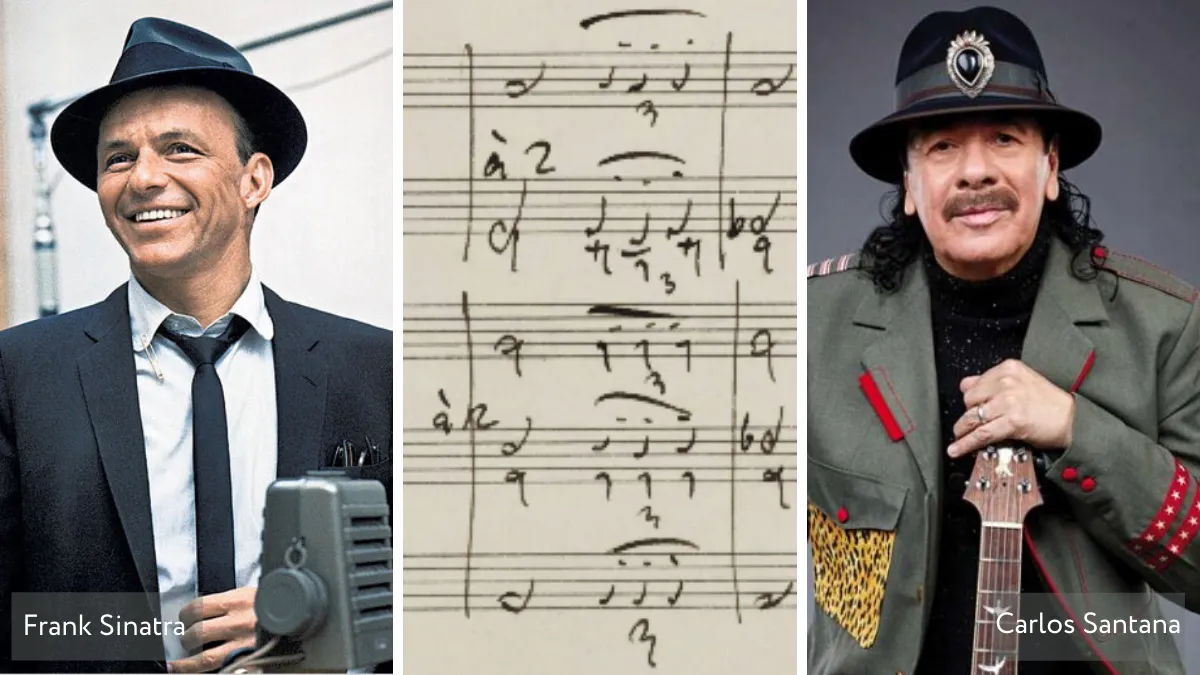
One of the most direct adaptations of Brahms’ Third Symphony can be found in Frank Sinatra’s 1951 hit song, “Take My Love.” Co-written and recorded by Sinatra, this pop rendition unmistakably borrows the original theme. Sinatra’s biographer, James Kaplan, described the song as transforming “a perfectly honest theme from Brahms’s Third Symphony into an outright weeper.” The lyrics, “Take my love, hold me tight, take my love, share this night Share my lips, share my heart, say that we’ll never part…,” imbue the melody with a poignant romantic narrative.
Santana’s “Love of My Life”: A Father’s Legacy
Guitar virtuoso Carlos Santana revealed a deeply personal connection to Brahms’ third movement, which inspired his popular song “Love of My Life.” In an interview, Santana shared that he encountered the Poco Allegretto from Brahms’ Symphony No. 3 in F major, Op. 90, shortly after his father’s passing. The music deeply affected him, haunting him until he could identify its source. This profound experience led to the creation of “Love of My Life,” a collaboration with Dave Matthews featured on the Grammy-winning album Supernatural. This piece exemplifies how classical motifs can resonate with contemporary artists, creating deeply personal and widely appreciated works.
Cinematic Echoes: “Goodbye Again” and “Undercurrent”
Brahms’ Third Symphony has also found its way into the cinematic landscape. The 1961 film Goodbye Again, released in Europe as Aimez-vous Brahms?, features themes from the symphony as part of its evocative score. The film, a classic love triangle drama set against the backdrop of 1960s Paris, utilizes the symphony’s themes to underscore its romantic complexities. Listeners can specifically hear the theme on the accordion and violin within the film’s trailer.
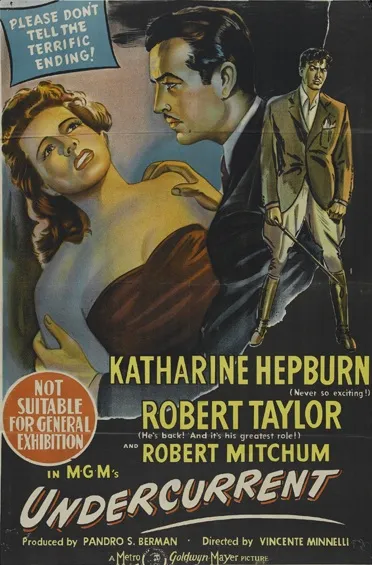
Another notable film is the 1946 melodrama Undercurrent, directed by Vincente Minnelli. Despite critical reviews that deemed the plot “ridiculous and contrived,” the film’s leading man, Robert Mitchum, portrays a character surprisingly adept at playing excerpts from Brahms’ Third Symphony on the piano. This inclusion highlights how classical music can add a layer of sophistication and emotional depth to visual storytelling.
Jane Birkin’s “Baby Alone in Babylon”: A French Connection
The influence of Brahms’ Third Symphony extends to French music as well. In 1984, English actress and singer Jane Birkin released “Baby Alone in Babylon,” a song credited to Serge Gainsbourg. Birkin, known also for her association with the iconic Hermes Birkin bag, utilized the Brahmsian theme in this French music video, showcasing the melody’s broad appeal across international music scenes and collaborations.
Brahms’ Symphony No. 3 is a testament to the enduring power of classical music to inspire and transcend time. Its memorable melody has been reinterpreted and celebrated by artists in pop, rock, film, and beyond, proving that great art continues to resonate across generations and genres. Explore these diverse interpretations and rediscover the timeless beauty of Brahms’ masterpiece.