
Few names in American music history carry the weight and wonder of Frank Sinatra. Known simply as “The Voice,” Sinatra remains one of the most defining figures in the golden era of traditional pop and swing — a man whose artistry bridged the intimate and the grand, the melancholic and the jubilant. The Frank Sinatra Story in Music, a 1990 compilation spanning recordings from December 1944 through April 1946, offers an essential window into the early years of a career that would shape American popular music for decades to come.
The Early Years: Forging “The Voice”
The mid-1940s were a pivotal moment in American musical history. World War II was drawing to a close, and a nation hungry for warmth and romance found solace in the silken tenor of a young singer from Hoboken, New Jersey. Between 1944 and 1946, Frank Sinatra was already commanding the attention of millions — not merely as a popular entertainer, but as a genuine artist with a rare instinct for emotional nuance.
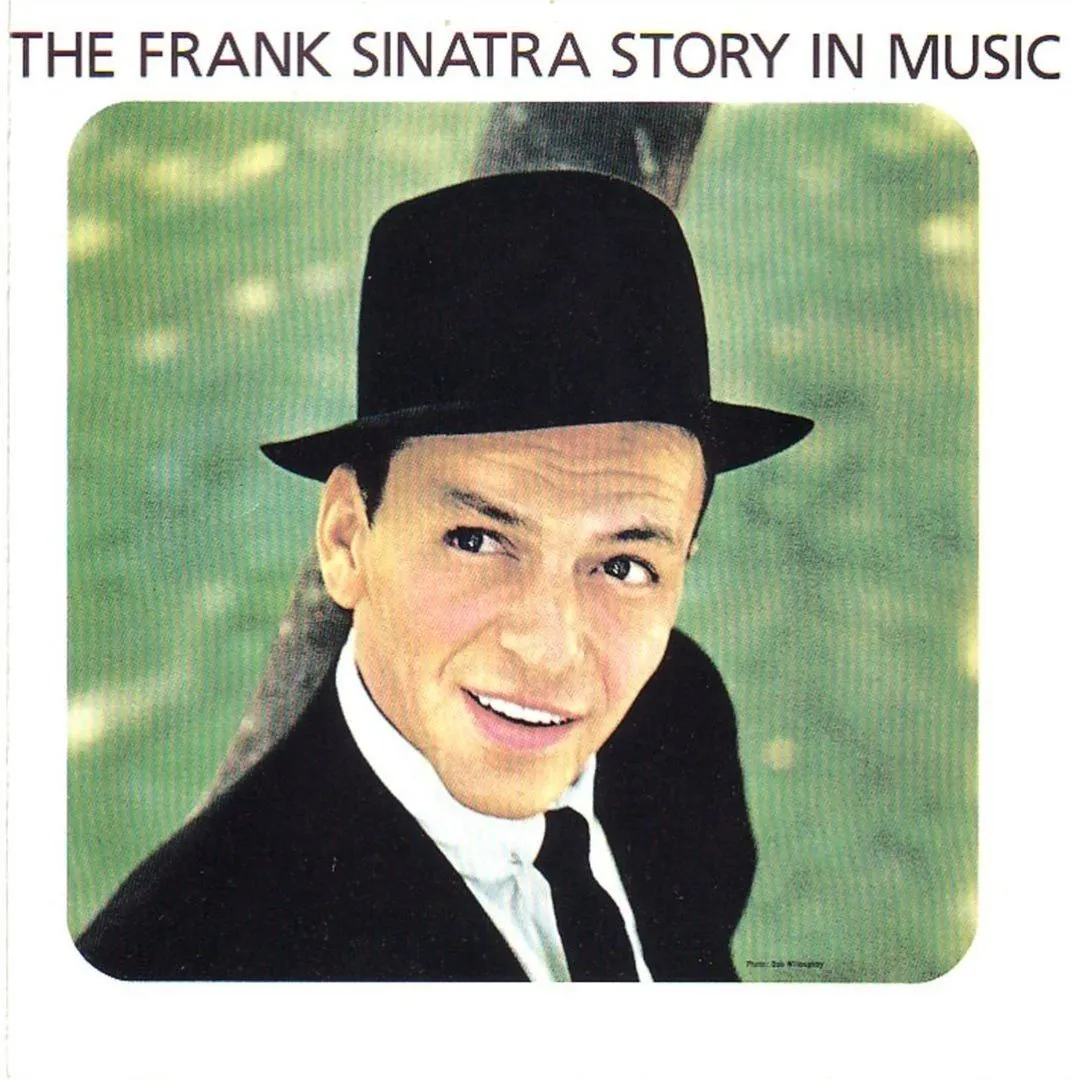
What set Sinatra apart from his contemporaries was not merely his vocal quality — though it was extraordinary — but his ability to inhabit a lyric completely. He did not simply sing a song; he lived it, transforming popular standards into deeply personal confessions. This was a defining characteristic of the oldies music era: performers who understood that a melody was only as powerful as the truth behind it.
Swing, Traditional Pop, and the Architecture of an Era
The Frank Sinatra Story in Music sits comfortably within the traditions of swing and traditional pop — two genres that defined American musical identity in the postwar period. Swing, with its rhythmic energy and orchestral richness, had dominated American dance halls throughout the late 1930s and early 1940s. By the mid-1940s, the big band era was beginning its gradual transformation, and artists like Sinatra were at the forefront of a new, more intimate approach to popular song.
Traditional pop — a genre rooted in carefully crafted melodies, sophisticated arrangements, and timeless lyrical themes — found its greatest interpreter in Sinatra. Whether delivering a tender ballad or a brisk, brass-driven swinger, he brought an architectural precision to his phrasing that no other vocalist of his generation could quite match. This was vocal pop at its most elevated: music designed not for fleeting trends, but for the permanent emotional landscape of human experience.
The Making of an Icon: From Columbia to Capitol
The recordings captured in The Frank Sinatra Story in Music represent Sinatra’s work during his early Columbia Records period — years during which he developed the interpretive tools that would reach full maturity in his legendary Capitol Records albums of the 1950s. Albums like In the Wee Small Hours (1955), Songs for Swingin’ Lovers! (1956), and Only the Lonely (1958) are widely regarded as pinnacles of the golden era of American music, but their genius was built on the foundation laid in these earlier sessions.
Working alongside some of the finest arrangers and session musicians of the era, Sinatra refined his approach to breath control, micro-dynamic expression, and rhythmic flexibility — qualities that made him an unparalleled interpreter of the American Songbook. The compositions of Cole Porter, Rodgers and Hart, Irving Berlin, and Jerome Kern found perhaps their most complete vocal realization in Sinatra’s hands.
A Discography That Tells a Story
One of the most remarkable aspects of Sinatra’s legacy is the extraordinary breadth and consistency of his recorded output. From The Voice of Frank Sinatra (1946) through landmark collaborations such as Sinatra-Basie: An Historic Musical First (1962) and Francis Albert Sinatra & Antonio Carlos Jobim (1967), his discography reads as a map of American popular music across four transformative decades.
He recorded Christmas standards, Broadway interpretations, and bossa nova collaborations with equal conviction. He performed live at the Sands in Las Vegas, recorded intimate orchestral meditations, and — in his later years with Duets (1993) and Duets II (1994) — introduced his art to entirely new generations of listeners. Each chapter of his career reinforced the same essential truth: that pre-1975 American music, particularly in the vocal tradition, achieved a level of craftsmanship and emotional depth that has rarely been equaled since.
Why the Frank Sinatra Story Still Matters
To listen to The Frank Sinatra Story in Music today is to rediscover something essential about the nature of popular song. These recordings predate the rock and roll revolution, the British Invasion, and the seismic cultural shifts of the 1960s — yet they feel neither dated nor distant. There is a directness and sincerity to the music that speaks across time.
For listeners exploring classic American music or the history of vocal jazz and swing, Sinatra’s early recordings are an indispensable entry point. They reveal an artist in the process of becoming legendary — already possessed of formidable gifts, already defining what it meant to be a great American singer, and already laying the groundwork for a body of work that would endure far beyond his own lifetime.
Conclusion
Frank Sinatra’s story is, in many ways, the story of American popular music itself — its elegance, its ambition, its romantic idealism, and its profound emotional honesty. The Frank Sinatra Story in Music captures a crucial early chapter in that story, preserving the voice of a young artist on the threshold of greatness. Across swing, traditional pop, and vocal jazz, Sinatra demonstrated that popular music could be both genuinely entertaining and genuinely artful — a lesson that continues to resonate for anyone willing to listen.
If you have never explored the timeless melodies of Frank Sinatra’s early years, there is no better moment to begin. Put on The Frank Sinatra Story in Music, close your eyes, and let the golden era of American music carry you somewhere unforgettable.