
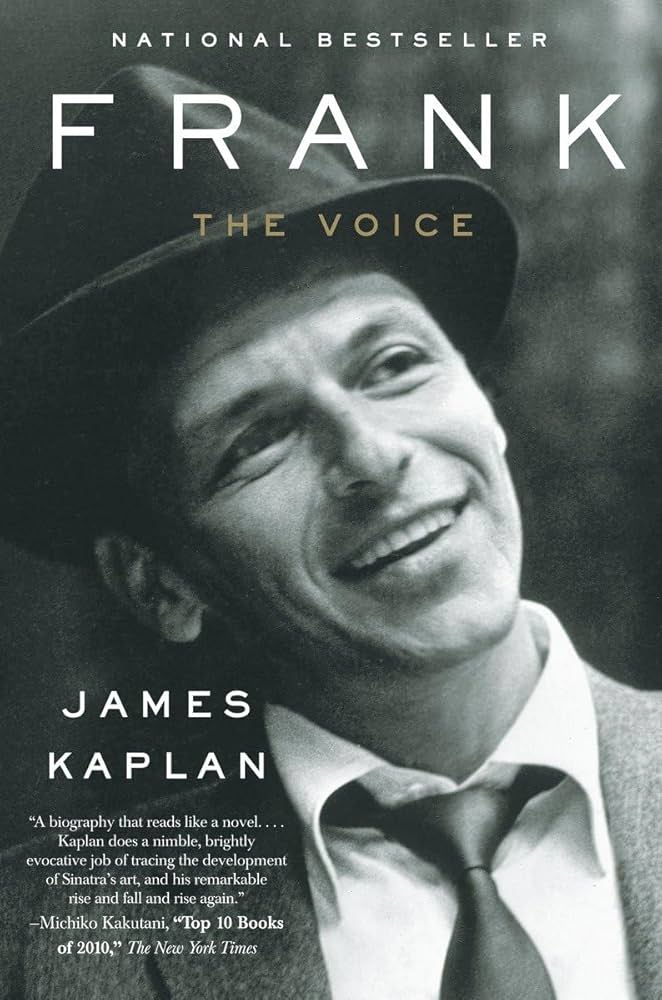
Frank Sinatra, known by many monikers including “The Voice” and “Ol’ Blue Eyes,” was born on December 12, 1915. He rose to become one of the most significant American singers of the 20th century, leaving an indelible mark on popular music. Even as musical trends evolved from big bands and crooning to the energetic rock and roll of artists like Elvis Presley and Chuck Berry, Sinatra’s unique charm and vocal mastery remained constant. His enduring legacy is evident in his timeless hits such as “My Way,” “That’s Life,” and “Fly Me to the Moon,” which continue to be celebrated globally during holidays, family gatherings, and moments calling for a powerful rendition of “New York, New York.” While widely recognized as an exceptional vocalist, Sinatra’s contributions extended to songwriting and lyricism, a facet of his career less commonly known. This article delves into four songs that Frank Sinatra co-wrote, showcasing his multifaceted talent.
Early Career and Songwriting Contributions
Sinatra’s influence in the music industry was profound, establishing him as a pivotal figure in American popular music. His ability to adapt and maintain relevance across changing musical landscapes cemented his status as an icon. Beyond his vocal performances, Sinatra engaged in the creative process of songwriting, demonstrating a deeper involvement in the music he brought to the world.
“I’m a Fool to Want You”
Released in 1951, “I’m a Fool to Want You” is a poignant ballad co-written by Frank Sinatra, Jack Wolf, and Joel Herron. Sinatra is credited with co-writing the lyrics for this song, which has since become a recognized jazz standard. Many musicologists suggest that Sinatra’s personal life, particularly his marital difficulties and subsequent relationship with actress Ava Gardner, may have influenced the deeply emotional tone of the lyrics. The song’s evocative lyrics explore themes of unrequited love and longing:
“I’m a fool to want you
I’m a fool to want you
To want a love that can’t be true
A love that’s there for others tooI’m a fool to hold you
Such a fool to hold you
To seek a kiss, not mine alone
To share a kiss that devil has known”
“Mistletoe and Holly”
In 1957, Sinatra released “Mistletoe and Holly,” a warm and festive Christmas song co-written by himself, Hank Sanicola, and Dok Stanford. While it may not have achieved the widespread holiday recognition initially envisioned by its composers, the song has grown to become a cherished tune for many as the year draws to a close. The lyrics capture the joyful spirit of the holiday season:
“Oh, by gosh, by golly
It’s time for mistletoe and holly
Tasty pheasants, Christmas presents
Countrysides covered with snowOh, by gosh, by jingle
It’s time for carols and Kris Kringle
Overeating, merry greeting
From relatives you don’t knowThen comes that big night
Giving the tree the trim
You’ll hear voices by starlight
Singing a yuletide hymn”
“Mr. Success”
Released in 1958, “Mr. Success” stands out as a quintessential Sinatra track, co-written by the legendary singer along with Edwin Greines and Hank Sanicola. This song, which achieved chart success in the U.S., U.K., and Canada, is characterized by its bold instrumentation, featuring prominent horns and swinging drum beats, all underscored by Sinatra’s powerful vocals. The lyrics celebrate the transformative power of love, suggesting that a partner’s affection can elevate one’s sense of self-worth:
“When I walk through a jam, no one knows who I am
Put your head on my chest, and I am Mr. Success
Never closed me a deal, all at once I’m a wheel
Just your head on my chest, and I’m Mr. Success
Why I once knew a worrying man, he was a hurrying man
With never a second to play
He had appointments to keep, people to meet
And it took thirty hours to make him a day
Not for me, not what I wanna be
Just your head on my chest, and I’m Mr. Success”
“This Love of Mine”
Recorded early in Sinatra’s career in 1941, “This Love of Mine” features the musical accompaniment of Tommy Dorsey and His Orchestra. Sinatra is credited with co-writing the lyrics alongside Sol Parker and Hank Sanicola. Despite some historical disputes regarding the extent of Sinatra’s lyrical contribution, as noted in Tony Consiglio’s book Sinatra and Me, the song became a significant commercial success. It reached No. 3 on the Billboard pop singles chart and remained a popular hit for an impressive 24 weeks between 1941 and 1942. The song is a heartfelt expression of enduring love and loss:
“This love of mine goes on and on
Though life is empty since you have gone
You’re always on my mind, though out of sight
It’s lonesome through the day, but, oh, the nightI cry my heart out, it’s bound to break
Since nothing matters, let it break
I ask the sun and the moon, the stars that shine
What’s to become of it, this love of mine?”
Frank Sinatra’s legacy transcends his vocal talent, encompassing his contributions as a songwriter and lyricist. These four songs offer a glimpse into his creative depth, showcasing his ability to articulate profound emotions and experiences through his own words. His enduring impact on American music is a testament to his multifaceted artistry. Explore more of these timeless melodies and discover the rich narrative behind their creation.
Photo by Michael Ochs Archives/Getty Images