
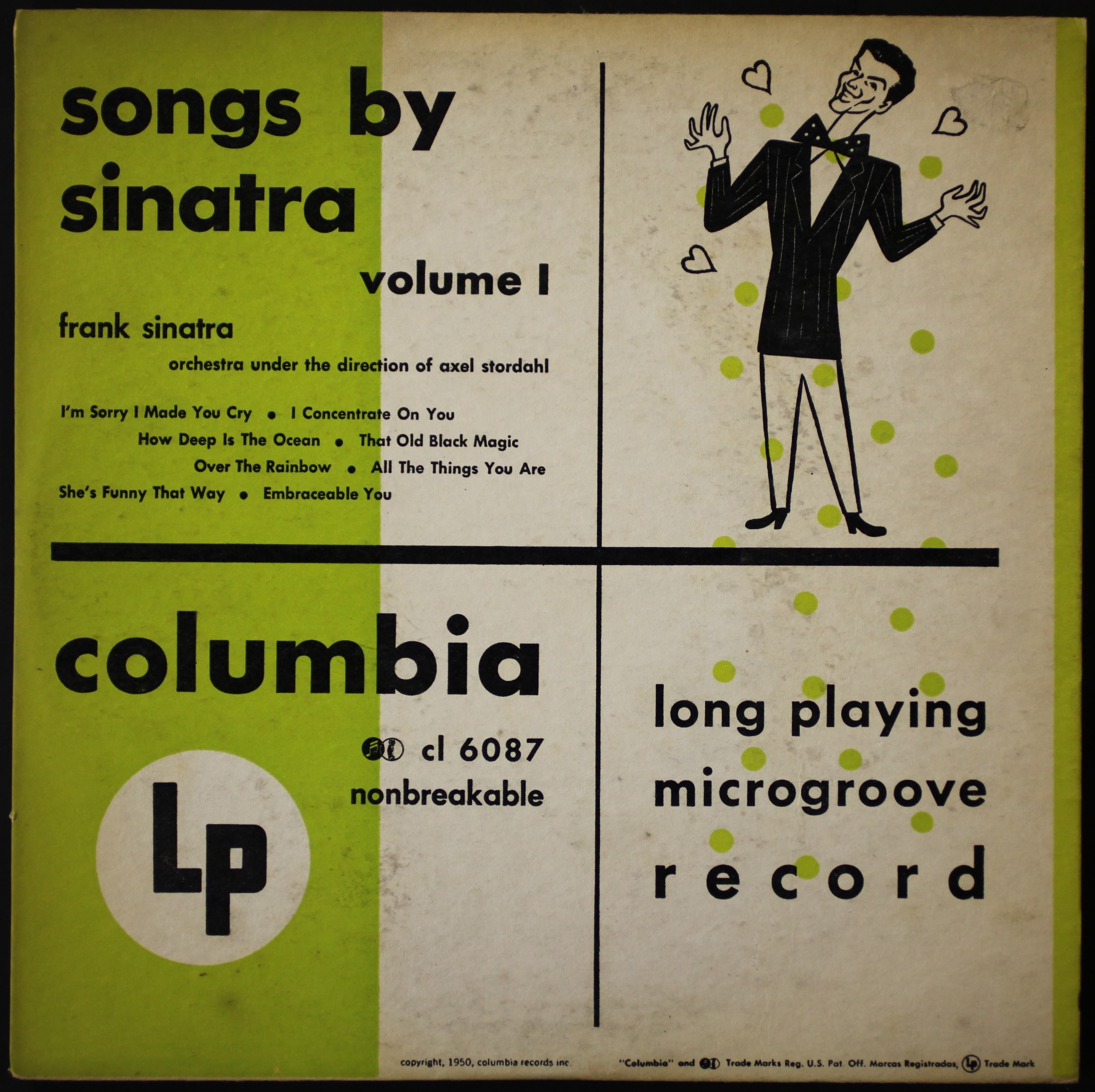
Frank Sinatra, a voice synonymous with the golden age of music, might be primarily celebrated for his unparalleled crooning, but his classic songs translate beautifully to the acoustic guitar. This guide delves into learning some of Frank Sinatra’s most beloved songs, offering a gateway for guitarists to explore the rich melodies and enduring appeal of his music. Whether you’re a seasoned player or just beginning your guitar journey, these timeless hits provide a fantastic opportunity to infuse your playing with swing and soul.
A Glimpse into Sinatra’s Musical Legacy
Frank Sinatra’s career spanned decades, leaving an indelible mark on the music landscape. His ability to connect with audiences through heartfelt lyrics and captivating performances has cemented his status as an icon. This article focuses on making his music accessible to guitarists, exploring how his songs can be adapted for acoustic renditions.
Exploring Frank Sinatra’s Guitar-Friendly Repertoire
This collection features a curated selection of popular Frank Sinatra songs, each offering a unique challenge and reward for guitarists. Among them are universally recognized classics like “Fly Me To The Moon,” the introspective “My Way,” and the smooth “Strangers In The Night.” For each song, comprehensive guitar lessons are provided, including essential chords, rhythm guidance, and video demonstrations to aid in learning.
1. “Both Sides Now” – A Poignant Adaptation
Originally written by Joni Mitchell and first recorded by Judy Collins, Frank Sinatra’s rendition, titled “From Both Sides Now,” appeared on his 1968 album “Cycles.” This deeply personal song, though never released as a single, remains a touching piece within his discography. The guitar lesson for this track involves a capo on the first fret, utilizing chords such as G, C/G, Bm, C, Am, D7, Dsus, D7sus, and D, with a rhythmic pattern of down, down, down, down-up, down-up, down, down.
2. “Fly Me To The Moon” – A Celestial Journey
Authored by Bart Howard, “Fly Me To The Moon” (initially “In Other Words”) gained significant popularity after Peggy Lee’s rendition. Frank Sinatra’s version for his 1964 album “It Might As Well Be Swing” became one of his most iconic, despite not being a single. The guitar arrangement includes chords like E7, Am, Dm, G7, Cmaj7, F, A7, A7/A#, G#, and Dm7, played with a rhythmic pattern of down-up, down-up, incorporating some walking bass lines.
3. “I’ve Got You Under My Skin” – A Timeless Standard
Cole Porter’s masterpiece, “I’ve Got You Under My Skin,” has been recorded by numerous artists since its inception in 1936. Sinatra’s interpretations, starting in 1946 and continuing through several iconic recordings, highlight the song’s enduring appeal. The guitar lesson for this track, played in standard tuning, features a range of chords including G, Dm7, Cmaj7, G7, Fm, Bm, E7, C, A#, G#, F, A7sus, A6, and A7, accompanied by a down-up, down-up rhythm with bass runs.
4. “My Way” – An Anthem of Independence
Frank Sinatra’s most renowned song, “My Way,” was re-imagined by Paul Anka specifically for the legendary singer. Recorded in a single take on December 30, 1968, for the album of the same name, it has become an anthem of self-determination, despite Sinatra’s later reported disdain for the song. For guitarists, this lesson involves a capo on the second fret, with chords like C, G6, Gm13, A7, Dm, F+6, Dm7, G, C7, F, Fm, Em, and Am7. The rhythm pattern is a root-up-down-up, root-up-down-up, incorporating chops. Explore more classic Sinatra hits in frank sinatra top 10.
5. “Nice ‘n’ Easy” – A Chart-Topping Ballad
The title track of Sinatra’s 1960 album, “Nice ‘n’ Easy,” stood out as the sole non-ballad on a record otherwise filled with softer melodies. This song achieved chart success, peaking at #60. The guitar lesson utilizes chords such as C, Caug, Am, G, Dm7, Gsus, G, G/D#, A7, E7, C+6, G7, F, and D7, played with a down, down, down-up, down-up rhythm.
6. “Please Don’t Talk About Me When I’m Gone” – A 1930s Gem
Recorded by Frank Sinatra in 1961 for his “Swing Along With Me” album, “Please Don’t Talk About Me When I’m Gone” is a classic tune from the 1930s. Many other notable artists, including Ella Fitzgerald and Dean Martin, have also covered this song. The guitar arrangement features picking, with chords like C, E7, A7, D7, G, G7, A, and Fm in standard tuning, accompanied by a down-up, down-up, down-up rhythm and walking bass lines.
7. “Something Stupid” – A Duet Sensation
Frank Sinatra’s 1967 duet with his daughter, Nancy, “Something Stupid,” became a massive #1 hit in both the US and the UK. Featured on Frank Sinatra’s album “The World We Knew,” this song offers a unique opportunity for collaborative playing. The lesson suggests a Drop D tuning (though optional) and employs a root-up-down-up, root-up-down-up rhythm pattern. The chords include Em, A, D, A7, D7, G, A#, E7, and Dmaj7.
8. “Strangers In The Night” – A Grammy-Winning Hit
Originally intended for a female vocalist, “Strangers In The Night” found its perfect interpreter in Frank Sinatra, who turned it into a #1 hit in 1967. The song and its accompanying album garnered several Grammy Awards. This song is considered one of Sinatra’s finest, with guitar chords such as D, Dmaj7, Em, A7, D6, Em7, Em6, Am7, B7, Gm, and Bm, played with a root-up-down-up, root-down-up, down-up rhythm. Discover the best song Frank Sinatra has to offer.
9. “That’s Life” – An Enduring Message
Inspired by an O.C. Smith recording, Frank Sinatra’s “That’s Life” became a significant hit in 1966-67, reaching #4 in the US. This powerful anthem has since been covered by numerous artists. The guitar lesson for this song uses a capo on the second fret and a down-up, down-up, down-down rhythm. The extensive chord list includes G, Em, Am7, D7, B7, A7, D, G7, C, D#, C#, C7, Fm, A#, A#m, G#, B, E, Eb, and G#7.
10. “The Lady Is A Tramp” – A Satirical Swing Tune
“The Lady Is a Tramp” is a witty and upbeat track that playfully satirizes the affectations of New York high society. Sinatra’s definitive version was recorded for the soundtrack of the 1957 musical film “Pal Joey.” This swinging arrangement solidified the song as one of his signature hits. The guitar lesson involves chords like G, Em, Am7, D7, C, D, E7, Cm, G7, and Bm, played with a fast, shuffle rhythm.
11. “Young at Heart” – A Nostalgic Classic
Frank Sinatra’s 1953 recording of “Young at Heart” went on to become a major hit. While it didn’t appear on an album until 1963, the song’s enduring popularity led to a movie of the same title starring Sinatra and Doris Day. Even in recent years, artists like Dick Van Dyke have paid homage to this classic. The guitar lesson uses a capo on the first fret, with chords including G, Edim, Am7, D7, Gmaj7, G6, D, D7, Esus, E, Cm, D/Gb, and Em, featuring lead guitar elements. Explore frank sinatra classic album charts for more context.
Embrace the Legacy of Sinatra on Guitar
Whether your preference leans towards Frank Sinatra’s smooth baritone, the vibrant energy of big bands, or the profound sincerity of his lyrics, these songs offer a rewarding experience on the acoustic guitar. Each piece presents opportunities to learn new rhythms, chord voicings, and melodic phrasing. Utilize the provided video demonstrations and chord sheets to guide your practice. If you find joy in these lessons, we encourage you to discover more classic vocalists and their guitar-friendly repertoire on our site. For those interested in deeper dives, exploring frank sinatra top 10 hits can provide further inspiration.
If you liked these songs by Frank Sinatra guitar arrangements, you might also enjoy:
[ [Recommended Resources
- Home
- Top Hits Of The 50s