
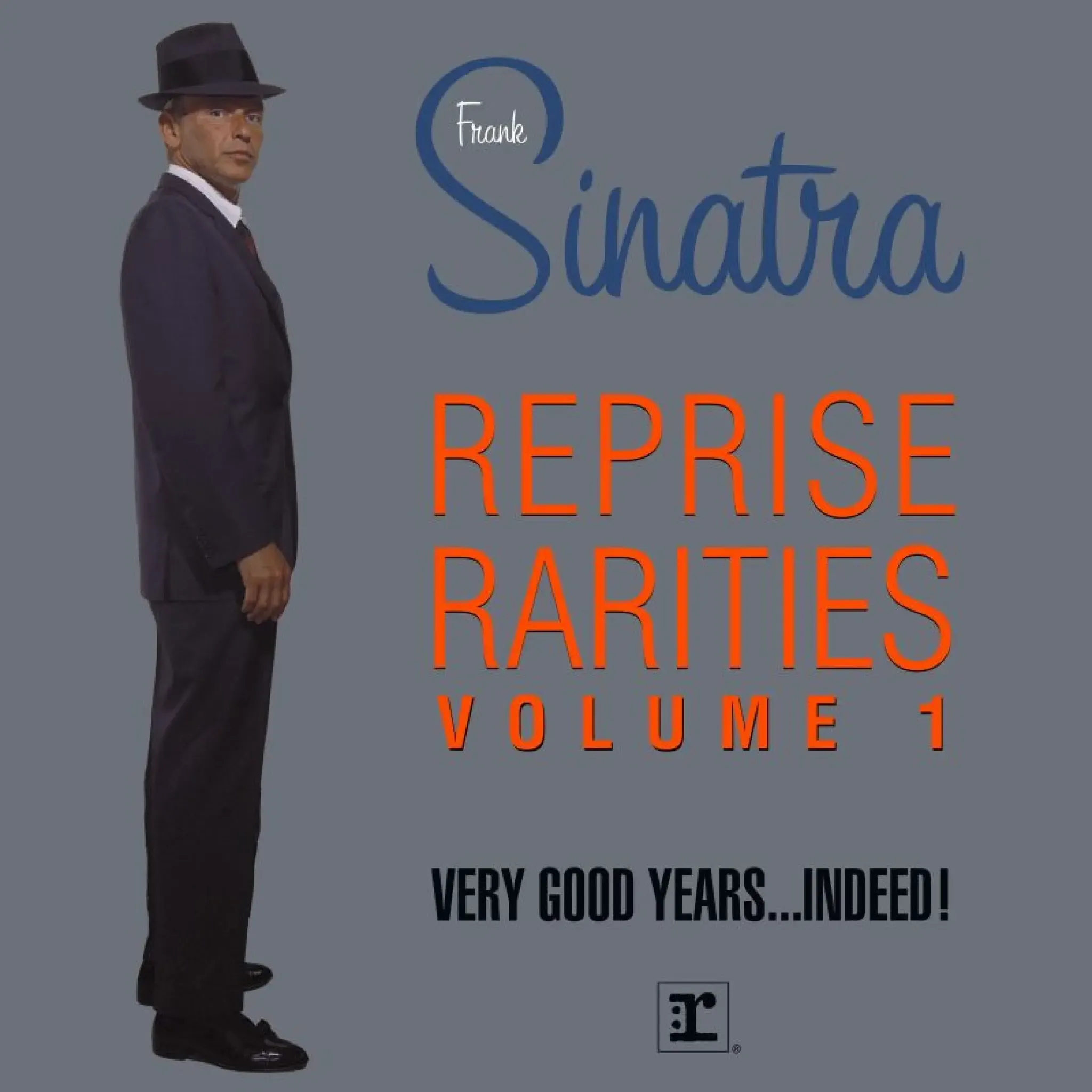
For fans of Oldies Music, few names carry as much weight as Frank Sinatra, the man once known as the “Chairman of the Board.” His artistry didn’t just define a genre—it helped shape the entire landscape of American popular music in the mid-twentieth century. Recently, Frank Sinatra Enterprises and UMe digitally released Frank Sinatra: Reprise Rarities Volume 1, a collection that offers international listeners a rare window into one of the most important chapters of American musical heritage.
This release isn’t simply a nostalgic gesture. It marks two significant milestones at once: the anniversary of Sinatra’s birth on December 12, 1915, and the 60th anniversary of his founding of Reprise Records, the label that would go on to reshape how artists controlled their own careers.
Understanding the Golden Era of American Music
To appreciate why this release matters, international listeners need context about what “Oldies Music” represents in American culture. The term generally refers to popular recordings from the 1950s through the mid-1970s—a period often called the golden era of America music. This was an era when crooners, jazz vocalists, and early rock-and-roll pioneers dominated the airwaves, and when the recording industry itself was undergoing radical transformation.
Frank Sinatra stood at the very center of this transformation. Known for his smooth phrasing, emotional depth, and impeccable timing, Sinatra wasn’t just a performer—he was a cultural institution. His music before 1975 spans big band swing, saloon ballads, and orchestral pop, all delivered with a distinctive vocal style that influenced generations of famous America singers who followed him.
Reprise Records: A Revolutionary Business Model
What makes Sinatra’s story especially compelling for those studying American music history is his role as a business pioneer. In 1960, Sinatra founded Reprise Records, and this decision represented something genuinely radical for its time. Rather than remaining a hired voice under a major label’s control, Sinatra sought greater ownership over how his music was created, produced, and marketed.
This artist-led model was highly unusual in 1960. Most singers of the era were bound by restrictive contracts that gave record labels near-total control over creative decisions. Sinatra’s approach anticipated a shift that would only become commonplace decades later, when artists across genres began demanding more autonomy over their own work. In this sense, Sinatra wasn’t just an Oldies music icon—he was also a quiet revolutionary in the business of music itself.
The roster that Reprise Records built over its six-decade history reflects the label’s remarkable range. Alongside Sinatra’s own catalog, the label featured recordings by Dean Martin, Sammy Davis Jr., Bing Crosby, and Nancy Sinatra—all towering figures of the same golden era. But Reprise also expanded far beyond traditional pop and swing, eventually welcoming Jimi Hendrix, the Kinks, Duke Ellington, Count Basie, Frank Zappa, Joni Mitchell, Neil Young, Eric Clapton, Tom Petty, Green Day, and Michael Bublé. This diversity shows how one artist’s vision for creative independence could ripple across multiple generations of musicians.
Inside the Rarities Collection
Reprise Rarities Volume 1 brings together 13 tracks recorded during Sinatra’s years on his own label, with many appearing digitally for the very first time. For collectors and casual listeners alike, this represents a genuine treasure trove of material that had previously been difficult to access.
The tracklist spans more than a decade of recording sessions, offering a fascinating timeline of Sinatra’s artistic evolution:
- “In the Blue of Evening” (March 21, 1961)
- “As You Desire Me” (November 20, 1961)
- “Don’t Take Your Love From Me” (November 21, 1961)
- “Name It and It’s Yours” (November 22, 1961)
- “Come Waltz with Me” (January 17, 1962)
- “Everybody’s Twistin'” (February 27, 1962)
- “I Left My Heart in San Francisco” (August 27, 1962)
- “You Brought a New Kind of Love to Me” (February 21, 1963)
- “Come Fly with Me” (October 11, 1965)
- “I’ll Never Smile Again” (October 11, 1965)
- “Younger Than Springtime” (September 20, 1967)
- “Everything Happens To Me” (September 24, 1974)
- “Just As Though You Were Here” (September 24, 1974)
Notice how these recording dates stretch from the early 1960s all the way into 1974, capturing Sinatra not just as a young star reinventing himself, but as a mature artist still refining his craft decades into his career. This kind of longevity is rare even among the most celebrated names in Oldies music, and it speaks to why Sinatra remains such a towering reference point for anyone exploring pre-1975 American recordings.
Why This Release Matters Today
Beyond the music itself, this release carries symbolic weight. SiriusXM’s popular Siriusly Sinatra channel marked the occasion with an exclusive on-air special, and there are plans for additional volumes of Reprise Rarities to follow. This ongoing curation effort reflects something important: Oldies music isn’t a static, closed chapter of history. It remains a living archive that continues to be explored, restored, and shared with new audiences around the world.
For listeners outside the United States, engaging with this material offers more than just pleasant melodies. It provides insight into American cultural values of the era—craftsmanship, individuality, and the tension between commercial success and artistic control. Sinatra’s catalog, particularly his Reprise-era work, embodies all of these threads at once.
The Enduring Legacy of a Musical Icon
Frank Sinatra’s contribution to American culture extends far beyond his voice, though that voice alone would have secured his place in history. His decision to found Reprise Records reshaped the relationship between artists and the recording industry, opening doors for countless musicians who came after him. The rarities compiled in this collection remind us that even sixty years later, there are still hidden gems waiting to be rediscovered.
For anyone drawn to the golden era of America music, Sinatra’s Reprise years offer an essential starting point—a bridge between the polished big-band sound of earlier decades and the more experimental, artist-driven era that followed. His music before 1975 remains a touchstone not only for nostalgia, but for understanding how American popular music evolved into what we know today.
The timeless appeal of Oldies music lies precisely in this kind of layered history—stories of artistry, ambition, and reinvention captured in three-minute recordings. So take a moment to explore these newly available tracks, and let yourself discover why Frank Sinatra’s voice, more than a century after his birth, still resonates so powerfully across generations and borders.