
The song “My Way,” most famously performed by Frank Sinatra, stands as one of the most enduring anthems in the history of popular music. Even decades after its release, it continues to resonate with listeners around the world, symbolizing individuality, reflection, and a life lived on one’s own terms. In the context of Oldies Music, “My Way” is not just a song—it is a cultural milestone that has transcended generations and musical trends.
The Timeless Power of “My Way”
One of the most remarkable facts about “My Way” is its extraordinary presence on the UK singles chart. Sinatra’s recording has remained on the chart for an astonishing 124 weeks, making it the longest-charting song in UK history. This achievement highlights its rare ability to connect with audiences across time, far beyond its original release period.
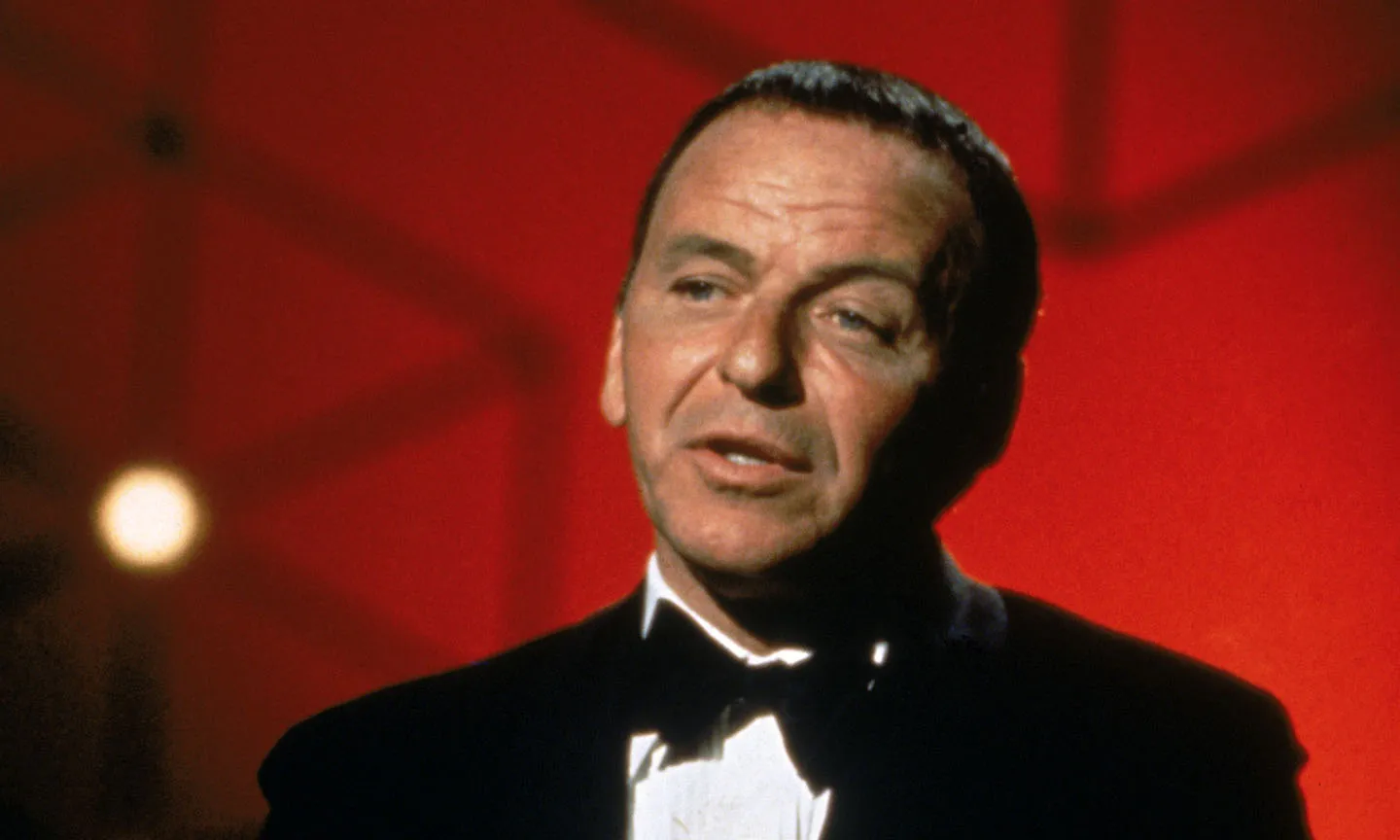
At a time when music consumption is dominated by streaming platforms and rapidly changing trends, “My Way” continues to stand firm as a timeless classic. Its emotional depth and reflective lyrics ensure its place as one of the most influential songs in Western popular music history.
The Origins of a Classic Song
Although “My Way” became synonymous with Sinatra, its origins trace back to France. The original composition, titled “Comme d’Habitude” (“As Usual”), was written by Jacques Revaux, Gilles Thibault, and Claude François. The transformation into the English-language classic we know today was made possible by Canadian singer-songwriter Paul Anka, who rewrote the lyrics specifically for Sinatra.
The recording session took place on December 30, 1968, at Western Recorders in Los Angeles. It was a rare afternoon session for Sinatra, accompanied by approximately 40 musicians under the direction of his long-time pianist Bill Miller. This carefully crafted arrangement helped shape the powerful and emotional tone that defines the song today.
From Rejection to Global Anthem
Before Paul Anka’s version became iconic, even David Bowie had attempted an English adaptation titled “Even a Fool Learns to Love,” though it was ultimately rejected. This illustrates how many creative interpretations existed before the final version emerged.
“My Way” entered the Billboard charts in 1969, eventually peaking at No. 27 in the United States. In the United Kingdom, however, it achieved far greater success, reaching No. 5 and becoming part of a culturally significant album of the same name.
A Song That Transcends Generations
One of the most fascinating aspects of “My Way” is how widely it has been reinterpreted. Artists across genres and generations have recorded their own versions, each bringing a unique emotional perspective to the song.
From jazz and pop artists to punk reinterpretations, the song has proven its adaptability. Notable covers include versions by Brook Benton, Elvis Presley, and even Sid Vicious of the Sex Pistols, each demonstrating how the song can reflect vastly different personalities and artistic identities.
This diversity of interpretations reinforces the idea that “My Way” is not just a performance piece—it is a personal statement that resonates differently with each performer and listener.
Cultural Impact of Oldies Music
Within the broader landscape of Oldies Music, “My Way” represents the golden era of emotionally driven songwriting and orchestral pop production. Songs from this period often emphasized storytelling, vocal expression, and universal themes such as love, regret, and self-identity.
“My Way” continues to be played at major life events, including farewells, celebrations, and commemorations, underscoring its emotional versatility. It is a rare example of a song that has maintained both commercial success and deep cultural meaning for over half a century.
Conclusion
“My Way” remains one of the most iconic achievements in popular music history, defining the legacy of Frank Sinatra and the enduring appeal of Oldies Music. Its journey from a French pop song to a global anthem reflects the power of musical transformation and artistic interpretation.
Today, the song continues to inspire listeners and performers alike, proving that truly great music never fades. Explore more timeless classics like “My Way” and discover how these unforgettable melodies continue to shape the sound of modern culture.
References
- Revaux, J., Thibault, G., & François, C. (1967). Comme d’Habitude.
- Billboard Magazine Archives (1969 chart records).
- Anka, P. (1969). English adaptation of “My Way”.
- UK Singles Chart Historical Data.