
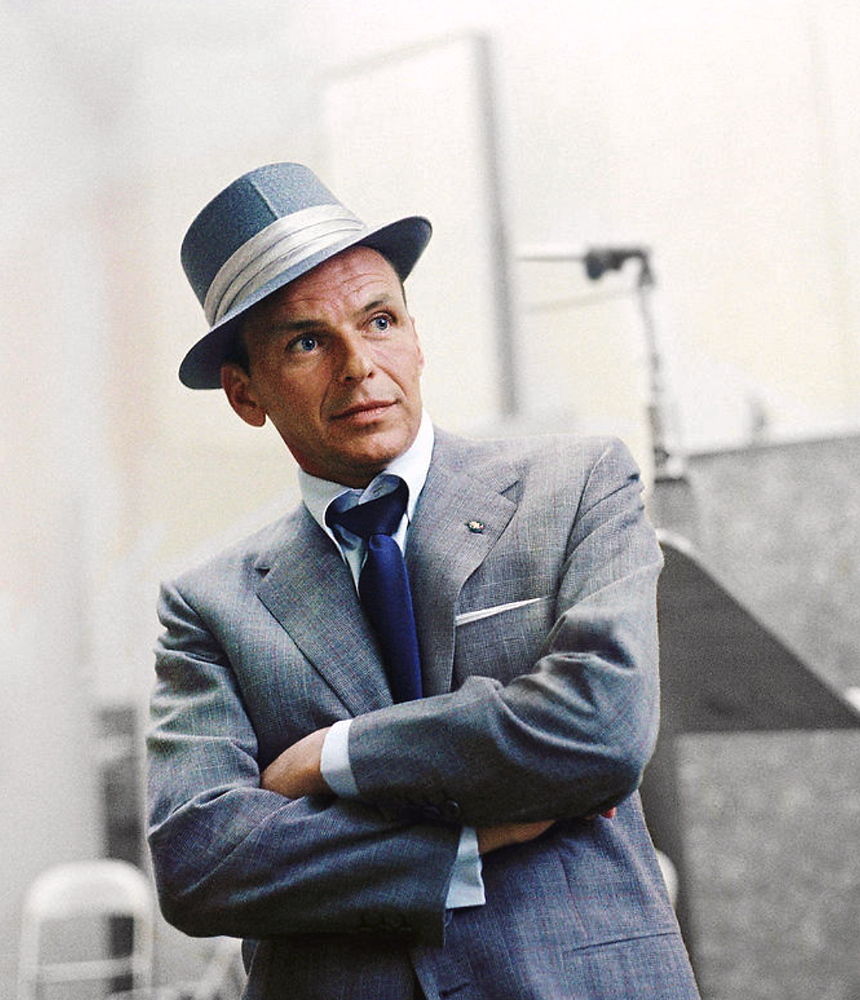
In the heart of Las Vegas, amidst the glitz and glamour of the Copa Room at The Sands Hotel And Casino, Frank Sinatra, already a seasoned performer at 50, delivered a performance that would be etched into music history. His first-ever live album, Sinatra At The Sands, released in July 1966, captured the electrifying energy of his collaboration with the legendary Count Basie orchestra. This double album, meticulously assembled from a week of shows in early 1966, offers an unparalleled glimpse into the golden age of saloon singing and a performer at the zenith of his powers.
A Perfect Union of Voices and Brass
The album opens with Sinatra’s characteristic wit, humorously questioning the crowd, “How did all these people get in my room?” before being swept into a dynamic rendition of “Come Fly With Me.” The Count Basie orchestra, with their hard-swinging and tightly-arranged sound, provided the perfect sonic backdrop for Sinatra’s effortless vocal glide. This collaboration wasn’t new; Sinatra and Basie had previously recorded together in the studio, with albums like Sinatra-Basie: An Historical First (1962) and It Might As Well Be Swing (1964), featuring arrangements by the esteemed Quincy Jones. By the time of the Sands dates, their musical synergy was undeniable.
Defying the Changing Musical Landscape
Sinatra At The Sands emerged during a period of significant musical upheaval, with rock and pop acts like The Beatles and The Beach Boys redefining the industry with groundbreaking albums such as Revolver and Pet Sounds. Yet, within the intimate setting of the Copa Room, Sinatra’s world prevailed. His music, characterized by timeless songs, dazzling style, and flowing libations, created an atmosphere where the era’s evolving sounds seemed to fade into the background. The audience was captivated by “The Chairman’s” magnetic presence, where time appeared to stand still.
A Masterclass in Vocal Prowess
Under the baton of Quincy Jones, who described Sinatra as being “at the height of his powers,” the performance showcased Sinatra’s remarkable versatility. He delivered finger-snapping pizzazz on upbeat numbers like “Fly Me To The Moon,” while his rendition of “One For My Baby (And One More For The Road)” exemplified his profound sensitivity and emotional depth. Introduced with a self-deprecating joke about singing a “drunk song,” Sinatra’s performance of this barroom nocturne, accompanied solely by Bill Miller’s piano, hushed the room into a profound silence, transforming it into a poignant ballad for the melancholic.
Beyond the Music: Humor and Camaraderie
The album also highlighted Sinatra’s engaging persona with “The Tea Break,” a lengthy, humorous monologue filled with risqué jokes and observations about himself and his Rat Pack companions, Sammy Davis Jr. and Dean Martin. These lighthearted moments offered a stark, entertaining contrast to the emotional weight of his ballads.
A Lasting Legacy
Sinatra At The Sands also introduced Johnny Mandel’s “The Shadow Of Your Smile,” a song Sinatra learned shortly before the shows but delivered with a captivating performance. The Count Basie orchestra also had moments to shine independently, with snippets of “One O’Clock Jump” and a full rendition of “All Of Me,” demonstrating their prowess even when not accompanying Sinatra. Released as the third of four albums by Sinatra in 1966, following the success of Strangers In The Night, Sinatra At The Sands reached No. 9 on the US album charts and achieved gold status. This album stands as a testament to Sinatra’s enduring influence and artistic vitality, proving that even at 50, he remained a formidable force in the music industry.
Considered by many to be the definitive Sinatra live album, Sinatra At The Sands is more than just a concert recording; it is an enduring masterpiece that vividly captures the spirit of an era and the unparalleled talent of Frank Sinatra. It invites listeners to experience the magic of his performance, making them feel as though they too were in the room, sharing in a moment of pure artistic brilliance. Discover the timeless appeal of this classic.
References:
- Sinatra Enterprises. (1966). Sinatra At The Sands. Reprise Records.
- Jones, Q. (2001). Q: The Autobiography Of Quincy Jones. Doubleday.