
Introduction
Oldies music — the warm, nostalgic sounds of mid-20th-century popular song — continues to captivate listeners around the world. This article explores how Frank Sinatra exemplifies the emotional depth and cultural influence of oldies music, showing why the genre (often called “Oldies music”) remains essential to understanding American popular culture and the golden era of popular song.
The Heart of Oldies Music: Emotion and Storytelling
Oldies music is defined by its focus on melody, lyrical storytelling, and expressive vocal performance. Frank Sinatra personified these qualities: his phrasing, emotional nuance, and ability to make a lyric feel conversational set a benchmark for generations of singers. Sinatra’s repertoire — from torch songs to swinging standards — demonstrates how oldies music balances technical craft with raw feeling.
- Signature traits: clear melody lines, intimate phrasing, orchestral arrangements.
- Emotional range: romantic longing, melancholy, bravado, and wistful reflection.
- Cultural role: oldies songs often functioned as shared emotional touchstones across generations.
Sinatra’s Biography as an Oldies Narrative
Frank Sinatra’s life reads like an oldies ballad: triumph, heartbreak, reinvention, and mythic celebrity. Born in Hoboken, New Jersey, in 1915 to a strong, larger-than-life mother, Dolly, Sinatra rose from local clubs to international stardom. Early breaks with bandleaders Harry James and Tommy Dorsey led to solo success and the fanatical devotion of the bobbysoxers in the 1940s.
- Early struggle to stardom: Rustic Cabin → Harry James → Tommy Dorsey → solo career.
- The bobbysoxer phenomenon: mass teen devotion that helped define pop fandom in the 1940s.
- Reinvention: career slumps followed by comebacks, including his Oscar-winning turn in film.
Key Relationships That Shaped the Sound and Image
Oldies music is inseparable from the personalities who performed and promoted it. Sinatra’s romances, friendships, and feuds amplified his public persona and colored his music.
- Romantic dramas: high-profile relationships (Ava Gardner, Mia Farrow, others) added mythic intensity to his ballads.
- Family life: his roles as husband and father (Nancy, Frank Jr., Tina) gave him a private anchor amid public excess.
- The Rat Pack and showbiz camaraderie: a culture of live performance, humor, and improvisation centered in Las Vegas and Hollywood.
Politics, Power, and the Ambiguity of Stardom
Oldies-era stars often moved in political circles; Sinatra’s friendships with the Kennedys and connections to organized crime complicated his legacy. These associations underscore how oldies music was embedded in broader social and political networks, and how celebrity could open doors while raising ethical questions.
- Kennedy years: Sinatra’s support for John F. Kennedy exemplifies entertainers’ role in mid-century politics.
- Mob connections: associations with figures like Sam Giancana illustrate the darker side of celebrity power.
- Public image vs. private turmoil: tensions between political engagement and personal controversy were common among oldies-era icons.
Musical Legacy and Influence
Sinatra’s stylistic innovations — his relaxed time feel, conversational delivery, and deep interpretive skill — shaped modern singing and interpretation of the Great American Songbook. Oldies music’s arrangements, studio craft, and emphasis on songwriting continue to influence contemporary pop, jazz, and adult-contemporary artists.
- Vocal phrasing: phrasing as narrative, making each lyric believable.
- Arranging and production: lush orchestration and careful studio techniques.
- Cultural transmission: oldies standards remain staples on streaming playlists, radio soft-rotation, and in film/TV soundtracks.
Why Oldies Music Still Matters
Oldies music persists because it offers emotional clarity and historical perspective. Listening to Sinatra and his peers connects modern audiences to social moments — wartime longing, postwar optimism, swinging metropolitan nightlife — that shaped 20th-century America.
- Emotional education: songs teach nuance in longing, regret, and joy.
- Historical archive: lyrics and performances preserve social moods and attitudes.
- Cross-generational appeal: melodic strength and lyrical honesty keep the music accessible.
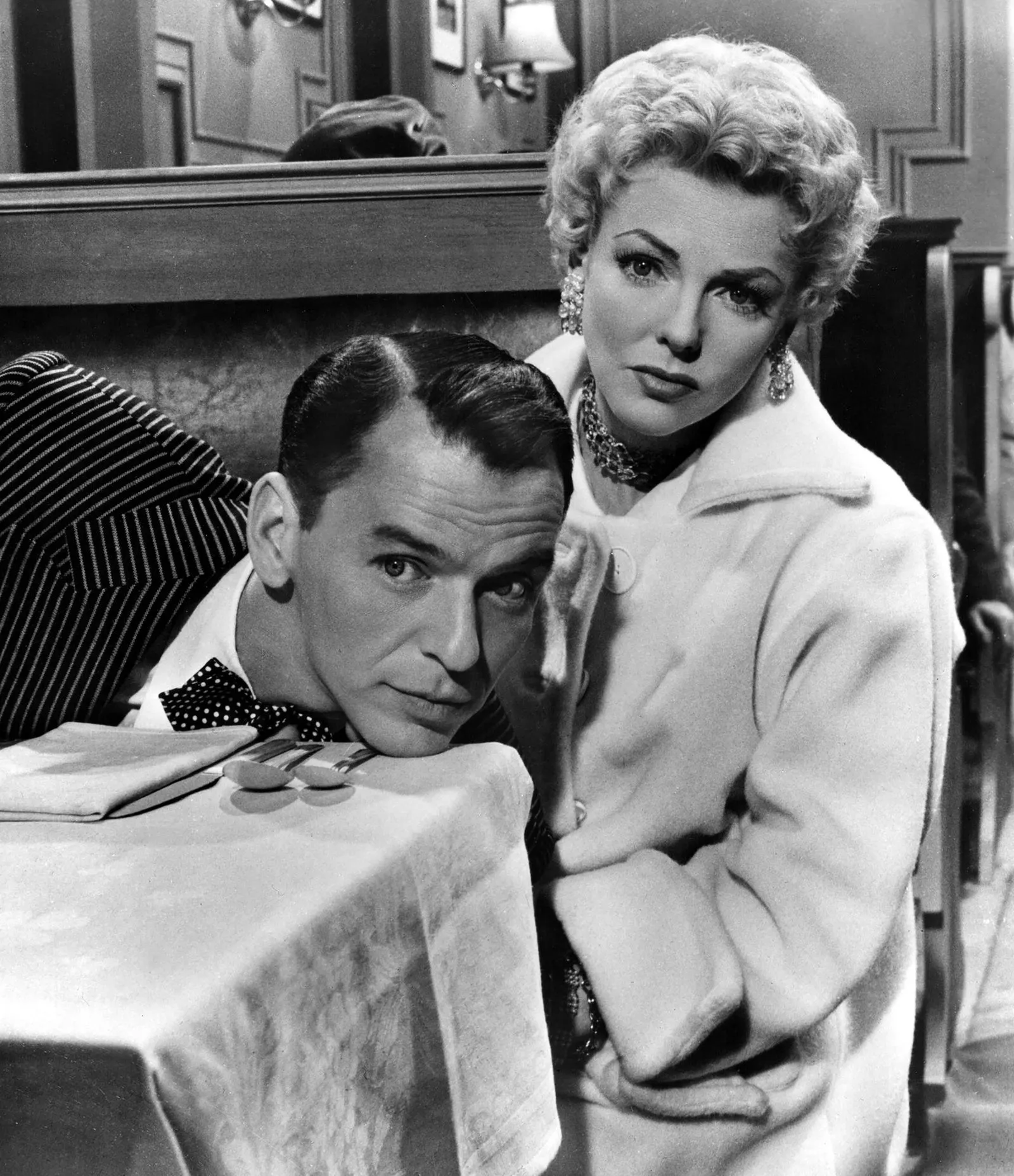
Listening Guide: Essential Sinatra Tracks (as examples of Oldies music)
- Early romantic standards: examples that capture the swooning bobbysoxer era.
- Mature interpretations: recordings that show Sinatra’s depth and phrasing.
- Live performances: illustrate his charisma and the live-club culture of oldies-era entertainment.
Preservation, Scholarship, and Further Reading
Scholars and biographers continue to examine Sinatra’s life to understand the cultural power of oldies music. Major biographies (for example, James Kaplan’s two-volume study) and memoirs by those who knew him (Nancy and Tina Sinatra, Barbara Marx, George Jacobs) provide layered perspectives that enhance E-E-A-T for readers seeking authoritative context.
References (selected)
- Kaplan, J. Frank: The Voice; Sinatra: The Chairman.
- Sinatra, T. My Father’s Daughter.
- Jacobs, G. Mr. S: My Life with Frank Sinatra.
- Sinatra, N. Frank Sinatra, My Father.
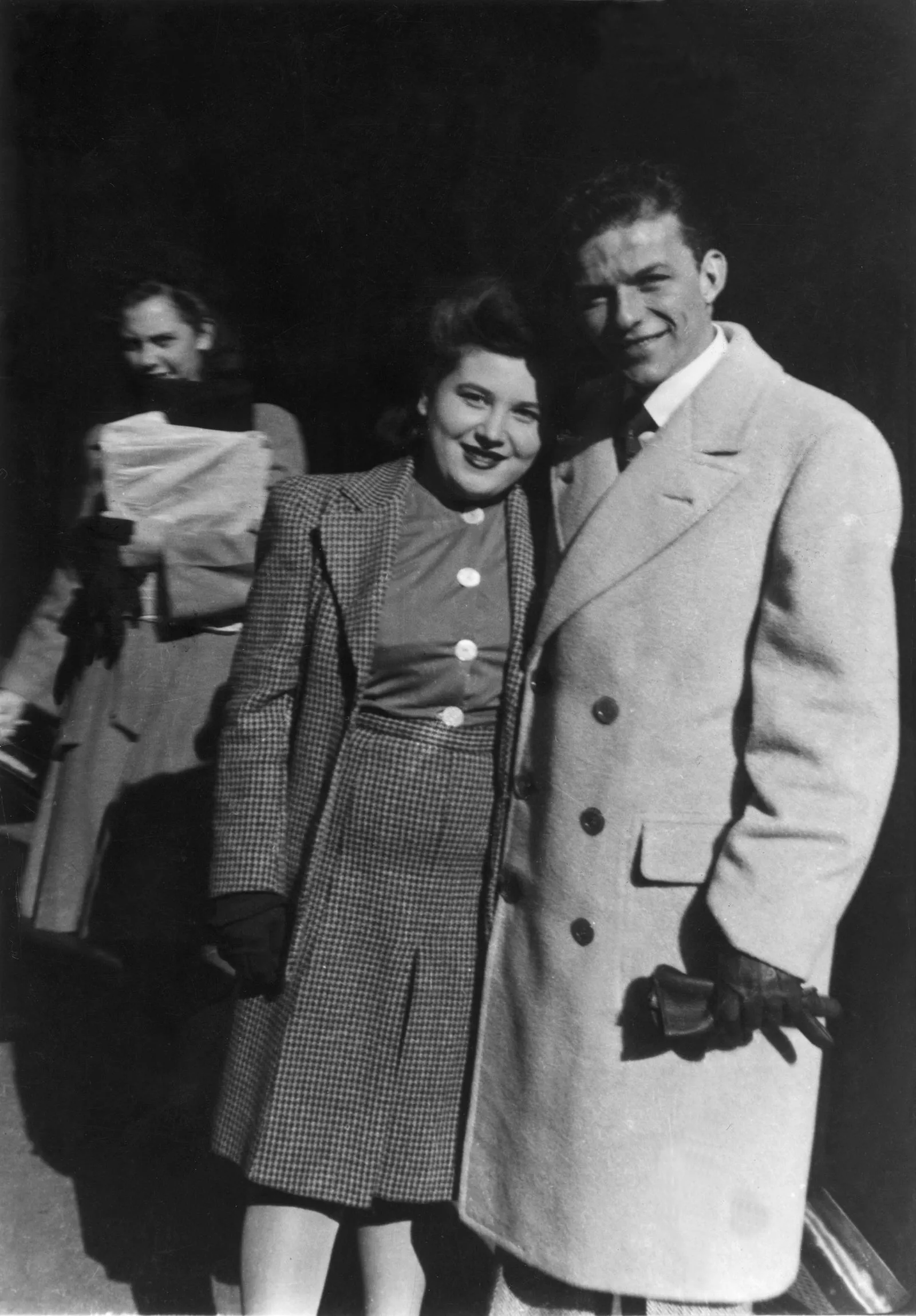
Conclusion
Frank Sinatra remains a central figure in the history of Oldies music. His artistry, personal drama, and cultural reach illuminate why oldies music continues to matter for international audiences interested in the emotional and social history of American popular song. Explore his recordings and the wider catalog of mid-century standards to hear how “Oldies music” shaped—and continues to shape—modern musical taste.
Would you like this article shortened to fit a specific word count, or optimized further for a particular target keyword phrase (for example, “Oldies music,” “Frank Sinatra oldies,” or “classic American standards”)?