
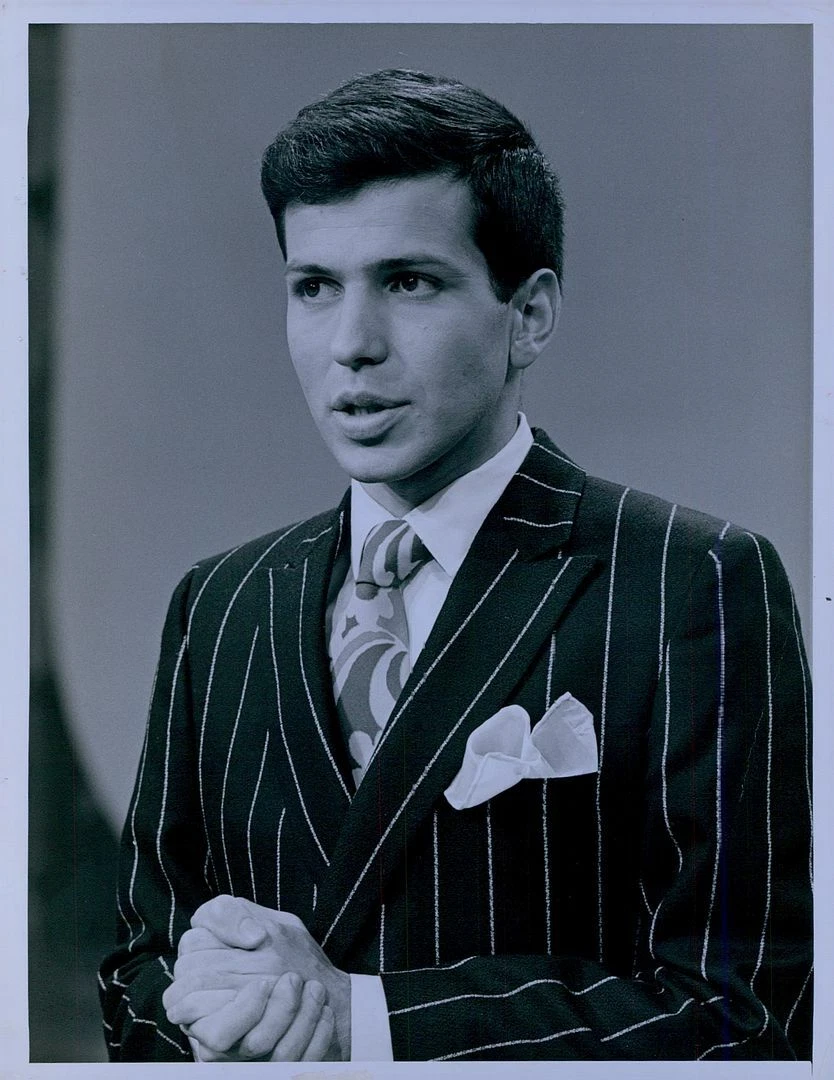
For enthusiasts of Oldies music, the name Sinatra is synonymous with the golden age of American song. While Frank Sinatra, “The Voice,” remains the undisputed icon, the story of his son, Frank Sinatra Jr., offers a compelling and often misunderstood chapter in the history of mid-20th-century American music. Born into a legacy that would have crushed most, Sinatra Jr. carved out a unique identity as a musician, bandleader, and keeper of a cultural flame. This article explores the life of Frank Sinatra Jr., not just as the son of a legend, but as a dedicated artist in his own right within the landscape of pre-75 oldies, revealing a story of resilience, artistry, and the relentless pursuit of musical excellence.
The Making of a Musical Heir
Franklin Wayne Emmanuel Sinatra was born on January 10, 1944, in Jersey City, New Jersey. As the son of Frank Sinatra and his first wife, Nancy Barbato, he was thrust into the spotlight from his very first breath. His middle name, “Emmanuel,” was a tribute to his father’s mentor, Manie Sacks, a gesture that underscored the deep musical roots that would define his life. The circumstances of his baptism, marked by a minor controversy over his godfather’s faith, hinted at the complex and public life he was destined to lead. Unlike his famous sister, Nancy Sinatra, who achieved pop stardom in her own right, Frank Jr.’s path was a more deliberate, if often challenging, journey into the heart of traditional American music.
Forging an Identity in the Golden Era
While many know the name, fewer understand the depth of Frank Sinatra Jr.’s musical dedication. He didn’t simply rely on his father’s name; he sought to earn his place in the industry. Following in his father’s footsteps, he became a staple in Las Vegas, the entertainment capital that was central to the golden era of American music. However, his education went beyond the Vegas strip. He spent considerable time with the legendary Duke Ellington, absorbing invaluable lessons about the music business, arrangement, and the discipline required to lead a band. This mentorship was crucial, shaping him not just as a vocalist but as a serious musician and director.
By 1968, his dedication had taken him across the United States, performing in 47 states, and to 30 countries worldwide. This relentless touring schedule was a testament to his work ethic and his commitment to connecting with audiences on his own terms. He became known for his rigorous rehearsals and demanding standards for his musicians, earning a reputation as a consummate professional who took his craft seriously. This commitment to musical excellence is a key aspect of his legacy within the Oldies music genre, which prized showmanship and technical skill.
Navigating Fame, Criticism, and Television
The weight of his surname was a double-edged sword. While it opened doors, it also invited constant, often unflattering, comparisons. A notable example came from Forbes magazine, which published a critical article titled “Junior sure ain’t Senior,” a sentiment that sparked outrage among many readers who defended the younger Sinatra. This public scrutiny highlighted the immense challenge he faced: being judged against the greatest popular singer of the 20th century.
Despite this, Frank Jr. remained a visible figure in American entertainment. He leveraged television to build his career, appearing on popular shows like The Smothers Brothers Comedy Hour alongside his sister Nancy. He also hosted a summer replacement series for The Dean Martin Show for ten weeks, further solidifying his presence in the public eye. These appearances, along with his performances with his own band in Las Vegas casinos, showcased his versatility and helped him cultivate a dedicated following who appreciated his authentic style, a key element of the music before 1975 that audiences cherished.
A Life of Personal Passions and Final Curtain
Away from the stage, Frank Sinatra Jr.’s life was marked by personal milestones. He married Cynthia McMurry in 1998, though the marriage was short-lived, ending in divorce in 2000. He had a son, Michael Sinatra, born in 1987 from a previous relationship. Michael would go on to become a university professor in Japan, forging a path distinct from his family’s musical dynasty. In January 2006, Frank Jr. underwent surgery for prostate cancer, a personal battle he faced with the same resilience he showed in his career.
Frank Sinatra Jr. passed away on March 16, 2016, in Daytona Beach, Florida. His death marked the end of an era, closing a direct link to the classic age of American pop and jazz. Yet, his life’s work ensures his legacy endures. He was more than just a famous son; he was a dedicated custodian of the Great American Songbook and a formidable bandleader who earned the respect of his peers.
Conclusion: A Unique Voice in American Music
Frank Sinatra Jr.’s story is one of navigating a legacy with dignity and determination. He understood that his father’s shadow was inescapable, yet he chose to build his own career based on a profound respect for musical tradition and a relentless pursuit of perfection. For those exploring the rich tapestry of Oldies music, his career offers a unique perspective on the era. He represented the bridge between the original masters of the music and the generations that followed, ensuring that the sophisticated sounds of a bygone era continued to be performed with authenticity and passion. His life reminds us that the story of American music is not just about its brightest stars, but also about the dedicated artists who worked tirelessly to keep the music alive. Explore more about the artists who defined the golden age of music and discover the depth behind the legends.