
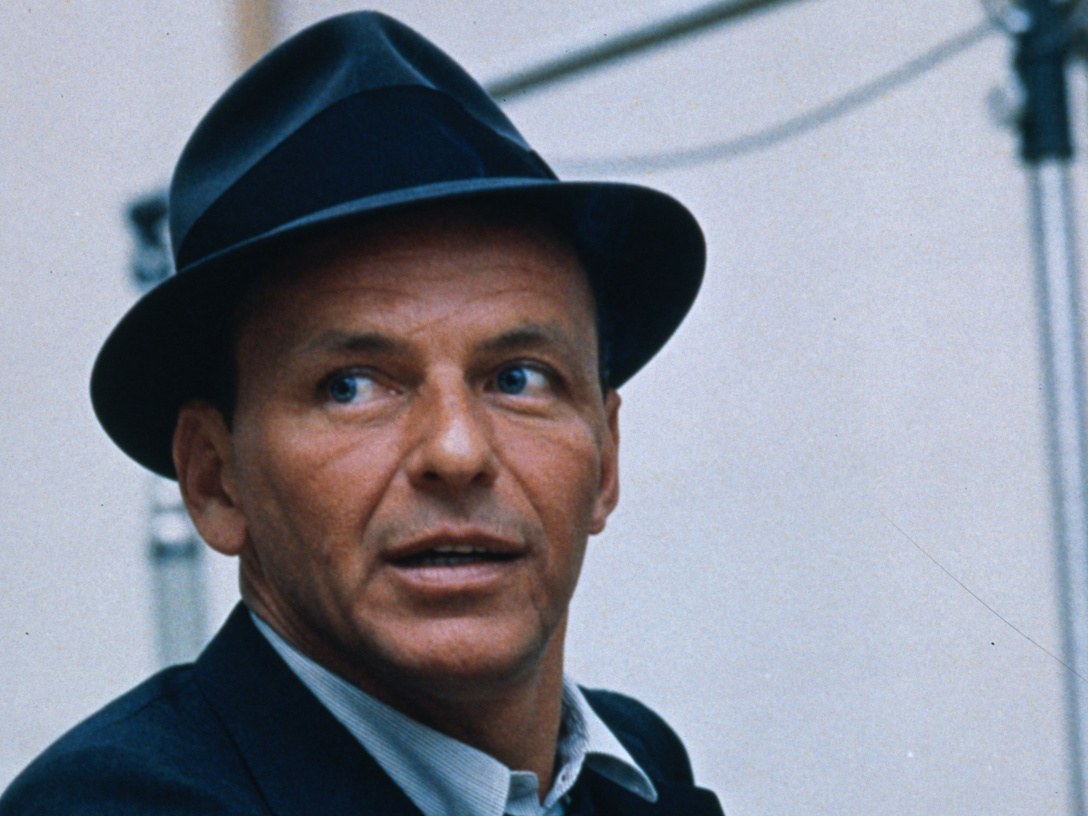
For generations, the term “Oldies music” has evoked the smooth, commanding voice of Frank Sinatra—a defining figure of the golden era of American song. As one of the most influential and successful music artists of the 20th century, Sinatra was a handsome, confident high achiever whose career spanned decades. He was not only a best-selling musical artist but also an Oscar and Golden Globe-winning actor. Yet, despite these monumental achievements, his legacy has faded from modern consciousness. Today, a new bio-musical, Sinatra the Musical, arrives on stage with the ambitious goal of reintroducing this pre-75 oldies music icon to a new generation. This production raises a crucial question: can it succeed where years of protective stewardship have failed, or is this attempt to revive the classic American crooner a case of too little, too late?
The Over-Protection of a Legacy
For years, the Sinatra family adopted a highly protective stance over the artist’s brand. Since his death in 1998 at the age of 82, their strategy was largely to say “no” to almost every project proposed. While this approach may have seemed like a prudent way to control his image, it had an unintended and profound consequence: it rendered the Sinatra brand increasingly irrelevant in modern society. Today, a significant portion of young people know little about the man who was once hailed as “The Voice.” Ironically, this cultural erasure touches on a fear Sinatra himself harbored about the longevity of his chosen art form—the slick crooner style. His predictions about the music’s potential obscurity have seemingly come to pass, not through his own failings, but through a calculated effort to preserve it that instead led to its stagnation.
Previous Attempts on the Stage
Sinatra the Musical is not the first attempt to bring his catalog to the stage, but it is the first to be granted permission to feature a Sinatra character alongside his songs. Previous projects were approved under strict limitations that hampered their storytelling potential.
In 2010, the Broadway musical Come Fly Away was allowed to use Sinatra’s original songs, but only under the condition that no spoken words were used. The result was a dance-only show that set his greatest hits to ambitious choreography. While the dancing was impressive, critics and audiences found the narrative indiscernible. The production struggled both critically and at the box office, allowing the Sinatra family to sidestep any blame for its failure. Other vehicles, such as My Way: A Musical Tribute to Frank Sinatra, which has been performed in theaters and clubs across the US, offered a more straightforward revue but lacked the depth of a biographical narrative.
Sinatra’s Own Broadway History
Interestingly, Sinatra himself only performed on a Broadway stage once in his career. That singular event was the 1975 concert special “Frank Sinatra, Ella Fitzgerald, and Count Basie.” His connection to the theatrical world, however, was not entirely absent. In 1965, he released the studio album My Kind of Broadway, which featured his renditions of famous songs from Broadway musicals, showcasing his affinity for the genre even if he rarely graced its stages.
A New Hope: Sinatra the Musical
The new production, Sinatra the Musical, aims to correct past missteps by finally telling a coherent story. Written by Danny Strong, an Emmy Award-winning actor and up-and-coming screenwriter, alongside Joe DiPietro, a Broadway stalwart, the show is designed to be a full biographical musical. It features more than 25 songs popularized by Sinatra and explores pivotal moments in his life: his meteoric rise to fame, his marriage to Nancy, his tumultuous affair with Ava Gardner, and what is often called the greatest comeback in showbiz history—a chapter that is now largely unknown to the public.
A Family’s Realization: Too Little, Too Late?
Of the musical, Tina Sinatra said in a statement, “I’m excited to work with Universal Music Theatrical on this stage production that we believe will bring audiences new perspectives and insights into my father’s renowned music and his enduring legacy.” Despite this optimistic statement, a harsh reality remains. For many, Sinatra’s legacy now endures primarily in the minds of aging baby-boomers. Decades of overprotection have reduced what was once a dominant cultural force to a potential footnote in history.
Sinatra the Musical premiered in late 2023 at Birmingham Rep in the UK, with its eyes set on a transfer to London’s West End and eventually Broadway. This world premiere, directed by Kathleen Marshall, represents a final, perhaps desperate, attempt to make Frank Sinatra relevant again. The question that lingers is whether this new production can reverse decades of cultural drift.
Conclusion
Frank Sinatra’s journey from the pinnacle of 20th-century entertainment to relative obscurity among younger generations is a cautionary tale about legacy management. The upcoming Sinatra the Musical represents a significant shift in strategy—a move from preservation through exclusion to engagement through storytelling. By finally allowing a narrative to accompany his timeless music, the Sinatra family is taking a risk that could either rekindle interest in the oldies music icon or confirm that his cultural moment has passed.
For lovers of classic American music, this show is more than just a theatrical event; it is a potential bridge between generations. Whether it succeeds in its mission remains to be seen, but one thing is clear: the music of Frank Sinatra, with its sophistication and emotional depth, deserves to be heard. Explore the story behind the legend and discover why the sound of this pre-75 oldies music icon continues to resonate.