
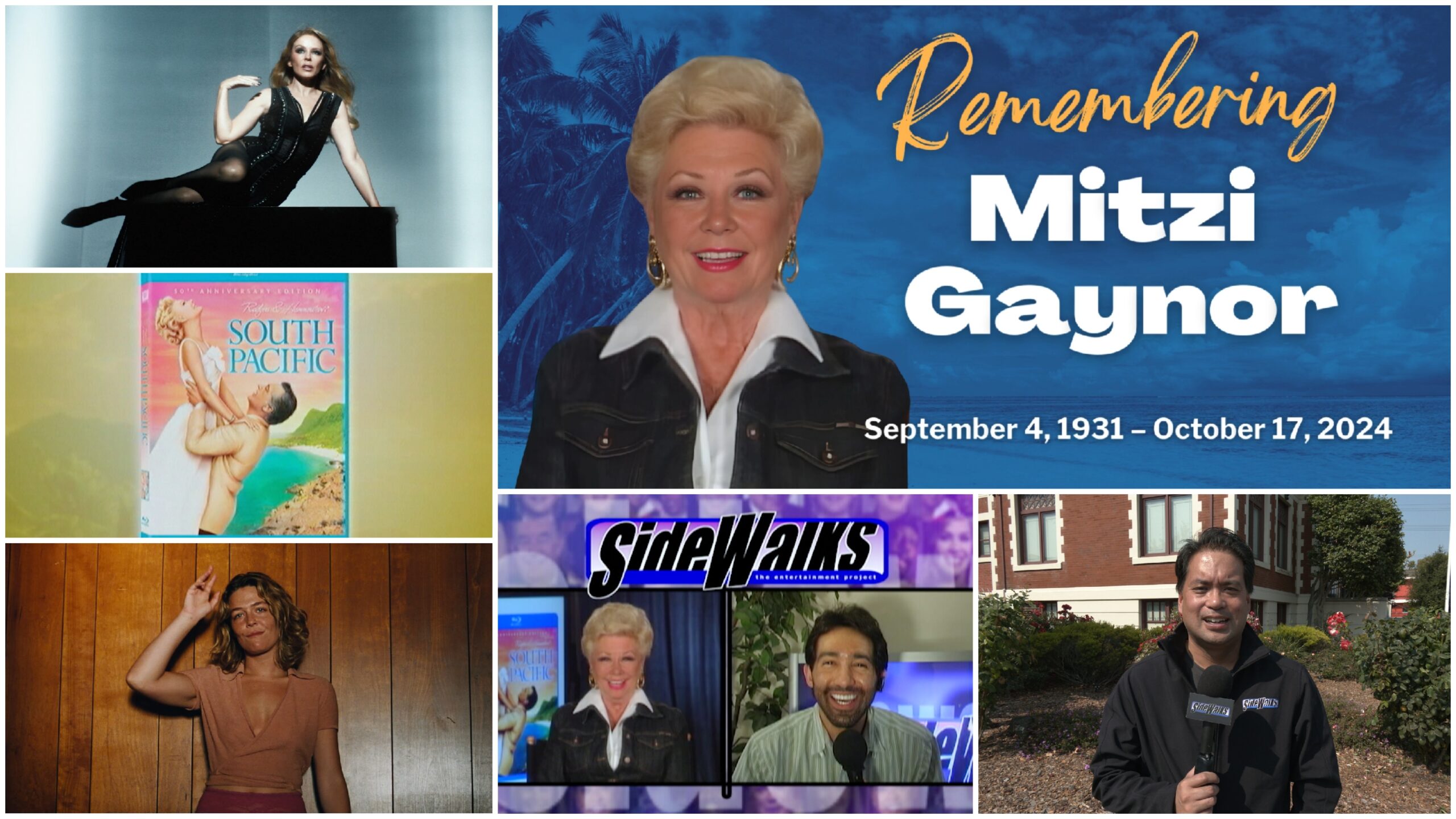
The world of entertainment has lost one of its most luminous icons from the golden era of American music. Mitzi Gaynor, the legendary actress, singer, and dancer best known for her unforgettable portrayal of Nellie Forbush in the 1958 cinematic masterpiece South Pacific, passed away Thursday in Los Angeles at the age of 93. Her departure marks the end of an era for enthusiasts of oldies music and classic Hollywood cinema, leaving behind a legacy that spanned eight remarkable decades of artistry.
According to her long-time managers, Rene Reyes and Shane Rosamonda, Gaynor passed away from natural causes. In a heartfelt statement, they expressed gratitude to the countless audiences she entertained throughout her long life, noting that the appreciation of her fans served as a “sustaining gift” during her final years. Gaynor’s career was a testament to the versatility and endurance required of a true Hollywood star, transitioning seamlessly from the silver screen to television specials and high-octane stage performances.
A Career Defined by Excellence and “South Pacific”
Mitzi Gaynor’s journey through the entertainment industry was characterized by a rare triple-threat talent. While she starred in notable films such as We’re Not Married! and There’s No Business Like Show Business, it was the Rodgers and Hammerstein musical South Pacific that etched her name into the annals of music history. Her performance earned her a Golden Globe nomination for Best Actress, while the film itself became a technical landmark, winning an Academy Award for Best Sound and garnering three Oscar nominations.
Her portrayal of a Navy nurse falling in love on a South Pacific island during World War II captured the optimism and complexity of the post-war American spirit. Even today, tracks from the film remain staples in the catalog of pre-75 oldies music, evoking a sense of nostalgia for a time when musical storytelling dominated the cultural landscape.
Collaborations with Music Legends
Following the monumental success of her film career, Gaynor pivoted toward the burgeoning medium of television. She proved to be a natural fit for variety shows, which were the heartbeat of American living rooms in the 1950s and 60s. In 1959, she achieved a historic milestone by becoming the first woman to guest star alongside a “Mount Rushmore” of male crooners: Frank Sinatra, Bing Crosby, Dean Martin, and Jimmy Durante for The Frank Sinatra Timex Show.
These collaborations solidified her status as a premier entertainer who could hold her own with the biggest names in the industry. Her ability to blend comedy, song, and dance made her a frequent guest on high-profile programs like The Jack Benny Hour and her own Emmy-winning television specials, which helped define the visual and auditory style of mid-century American entertainment.
The Highest-Paid Entertainer in Las Vegas
As Hollywood shifted in the late 1960s, Gaynor reinvented herself yet again, this time as a powerhouse of the stage. Guided by her husband and manager, Jack Bean, whom she married in 1954, she developed a spectacular live act. Her charisma and professional rigor led her to become the highest-paid female entertainer in Las Vegas for a period, setting a standard for the “residency” model that many modern stars follow today.
Gaynor did not limit her talents to the Nevada desert; she toured extensively across the United Kingdom, Canada, Australia, and the United States. She maintained a deeply personal connection with her audience, often remarking that touring felt like “visiting friends.” This dedication to her craft and her fans was evident in her personal life as well; she famously sent out nearly 3,000 Christmas cards annually to keep those friendships alive.
The Enduring Vitality of a Legend
Mitzi Gaynor was more than just a performer; she was a bridge between the classic studio system and the modern era of the versatile entertainer. Though she and her husband had no children, her “family” included the millions of viewers who found joy in her work. Following the death of Jack Bean in 2006, Gaynor continued to be a beloved figure at film festivals and retrospective events, always embodying the grace and wit of a bygone era.
Her life reminds us of the enduring power of the golden era of American music—a period where talent was measured by the ability to move an audience to tears and laughter through the simple beauty of a song and a dance. As we look back on her nearly century-long journey, we affirm that the melodies she helped make famous will remain timeless. Let us continue to celebrate and explore these immortal tunes that Mitzi Gaynor performed with such radiant spirit.