
Urinary tract infections (UTIs) can be a distressing and painful experience for dogs, often going unnoticed by owners for weeks. Recognizing the symptoms and understanding the role of diet in prevention and management is crucial for every dog owner. This article delves into what UTIs are, how to identify them, and most importantly, how a natural, whole-food diet can significantly contribute to your dog’s urinary health.
Urinary tract infections can affect any part of the urinary system and often arise when a dog’s immune system is already compromised by other health issues. The most common culprit is a bacterium known as E. Coli, which can enter the urinary tract and migrate towards the bladder or kidneys. If left untreated, this can lead to serious complications, including the formation of kidney stones, which create an environment where bacteria can further proliferate, worsening the infection. Understanding these early warning signs and seeking prompt veterinary care is vital.
Recognizing the Signs of Urinary Tract Infections
Observing your dog for subtle changes in behavior and bodily functions is key to early detection. UTIs can manifest in various ways, causing discomfort and pain.
Common Symptoms of Lower Urinary Tract Infections:
- Straining to urinate: Your dog may seem to struggle or take a long time to pass urine.
- Increased urination frequency: Frequent, small urinations or accidents in the house, especially in previously housetrained dogs.
- Excessive licking: Your dog may repeatedly lick their genital area due to discomfort.
- Changes in urine: Blood in the urine or urine that is unusually strong-smelling or discolored.
Symptoms of More Severe Upper Urinary Tract Infections (Kidneys):
- Loss of appetite and weight loss: A significant decrease in food intake or noticeable weight reduction.
- Lethargy and fever: Your dog may appear unusually tired, have a fever, or show signs of abdominal pain when touched.
If you suspect your dog is experiencing any of these symptoms, it’s imperative to consult a veterinarian immediately. While UTIs are more common in female dogs, they can pose a life-threatening risk to male dogs. Furthermore, once a dog has contracted a UTI, the likelihood of recurring infections increases significantly.
The Impact of Diet on UTI Prevention: Volhard vs. Commercial Foods
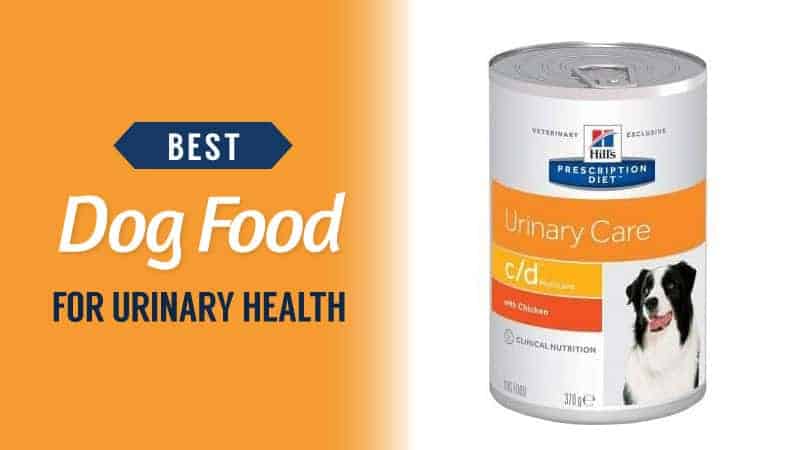
Many veterinarians recommend specific commercial dog foods designed for urinary tract health. While these diets might offer temporary relief by altering nutrient levels, they are often highly processed and may contain fillers, synthetic additives, and preservatives that can negatively impact a dog’s overall long-term health.
Research indicates that diets high in carbohydrates, such as kibble, can increase urine alkalinity. This creates an ideal breeding ground for bacteria like E. Coli and promotes crystal formation. Other grains can also trigger inflammation and place additional strain on a dog’s body and immune system. In contrast, a diet like Volhard allows for precise control over the alkalinity or acidity of your dog’s food.
At Volhard Dog Nutrition, we advocate for a minimally processed diet rich in protein, vegetables, vitamins, and minerals to support urinary tract health. Our meals are designed to:
- Deliver genuine, whole-food nutrients: Ingredients are easily absorbed by the body, including essential nutrients like Vitamin C and B vitamins, which are crucial for immune system support.
- Naturally balance urine pH: This helps create an environment that discourages the growth of harmful bacteria such as E. Coli.
- Provide hydration: Fresh, raw ingredients contribute to a dog’s daily fluid intake, reducing their sole reliance on drinking water to meet hydration needs.
- Boost the immune system: Omega-3-rich oils, live enzymes, and probiotics found in our fresh food diets are vital for year-round immune support, nutrients often absent in shelf-stable kibble.
Commercial urinary tract foods may alleviate symptoms, but Volhard diets target the root cause, promoting restored urinary health alongside improved digestion, energy, coat quality, and overall vitality. By choosing nutrient-dense, fresh meals, you strengthen your dog’s defenses against recurring UTIs and contribute to their long-term well-being. Supplementation with B vitamins and antioxidants, along with cooling foods like raw fruits, vegetables, and yogurt, can also help alleviate UTI symptoms during stressful periods.
One of the most significant factors in a dog’s ability to combat UTIs is adequate hydration. When feeding a dry food diet, owners must ensure their dog drinks enough water to stay properly hydrated. Ensuring sufficient water intake is essential for flushing bacteria from the kidneys and ureters.
Frequently Asked Questions About Natural Diets for Dogs with UTIs
1. Can a natural diet genuinely help prevent UTIs in dogs?
Yes, a fresh, minimally processed diet provides dogs with biologically available vitamins, minerals, enzymes, and hydration that support a healthy urinary tract. Natural foods also aid in regulating urine pH, making it more difficult for harmful bacteria to flourish.
2. Which nutrients are most critical for dogs experiencing UTIs?
Key nutrients include Vitamin C for immune support and urinary acid balance, B vitamins for cellular repair and energy, Omega-3 fatty acids from sources like krill oil to reduce inflammation, and live enzymes and probiotics to maintain a healthy microbiome. Volhard diets naturally provide these through their fresh, raw ingredients.
3. Are there specific foods to avoid for dogs with UTIs?
Yes, certain foods like asparagus, tomatoes, and some dairy products can exacerbate UTI symptoms in some dogs. Volhard diet plans are carefully formulated to exclude these potential irritants while ensuring balanced nutrition.
4. Can switching to a natural diet aid in recovery if my dog already has a UTI?
While diet alone cannot replace veterinary treatment, transitioning to a fresh food diet like Volhard can support the recovery process, reduce inflammation, and lower the risk of recurrence. It is always recommended to collaborate with your veterinarian and a Volhard Canine Nutrition Coach for optimal results.
5. Will my dog still require significant water intake on a Volhard diet?
Dogs fed exclusively dry food depend heavily on their water bowl for hydration. Volhard diets incorporate moisture-rich ingredients, aiding in natural hydration, which is essential for flushing bacteria from the urinary tract.
6. What other supportive measures can be taken for a dog with a UTI?
Supplementation with B vitamins, digestive enzymes, and antioxidants during times of stress, such as recovering from a UTI, is recommended.
Nourish Your Dog’s Urinary Health with Fresh, Whole-Food Nutrition!
For expert guidance on dog nutrition, health, and training, connect with us and explore our informative blog posts. Volhard Dog Nutrition and its team of expert canine nutrition coaches offer online consultations to assist dog parents in understanding the benefits of feeding their dogs the healthiest foods.
Engaging with a Volhard canine nutrition coach will illuminate the profound connection between healthy food, a healthy body, and a healthy mind. If you are interested in speaking with a Volhard canine nutrition coach, please visit our consultation page to schedule a session!