
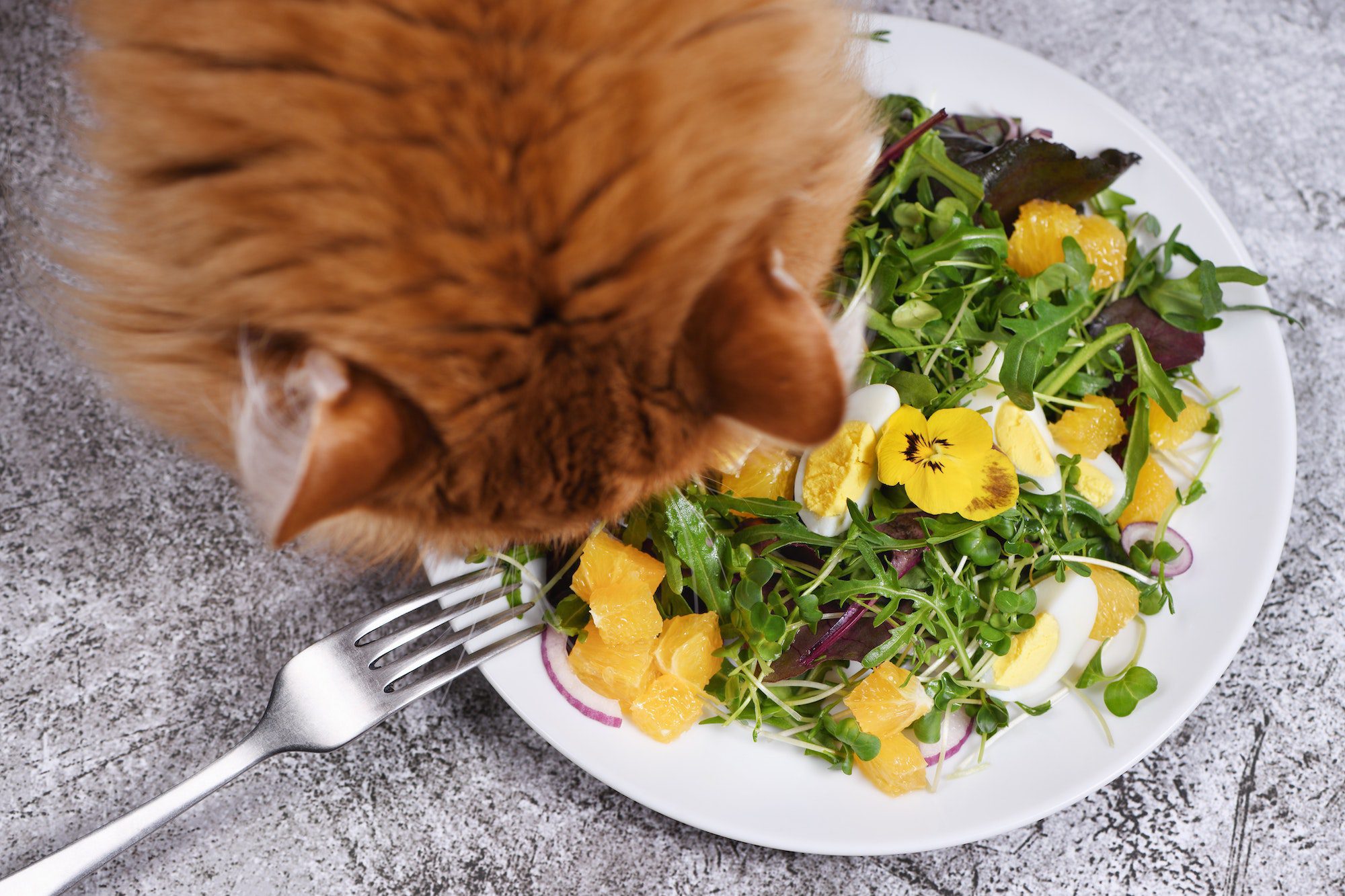
Welcoming a new pet into your home is an exciting time, filled with joy and new experiences. As you settle in with your furry companion, it’s crucial to understand that many common human foods can pose serious health risks to them. This guide highlights dangerous foods to keep out of your pet’s reach, emphasizing the importance of consulting with your veterinarian or a pet poison control center if accidental ingestion occurs.
The ASPCA Poison Control offers a vital service for pet owners, providing expert advice in emergencies. Their phone number, (888) 426-4435, should be readily available for any pet owner. It’s essential to be aware of the specific risks associated with various food items, from common pantry staples to seemingly harmless treats.
Alcohol and Yeast Dough
Alcoholic beverages and foods containing alcohol can lead to severe gastrointestinal distress, neurological symptoms, and even death in pets. Due to rapid absorption, immediate veterinary attention is critical if your pet consumes alcohol. Similarly, uncooked yeast dough can cause significant internal problems. As the yeast ferments, it produces alcohol and can cause dangerous stomach distension and potential twisting, a life-threatening condition.
Chocolate, Coffee, and Caffeine
These popular items contain methylxanthines, which are highly toxic to pets. Symptoms of methylxanthine poisoning range from vomiting and diarrhea to severe neurological issues like tremors and seizures. The concentration of methylxanthines varies, with darker chocolates and pure cocoa powder posing the highest risk. Caffeine, found in coffee and some teas, also presents similar dangers.
Fruits and Vegetables
While many fruits and vegetables are healthy for humans, some are decidedly not for our pets.
- Avocado: Primarily dangerous for birds, rabbits, and livestock, avocado can cause cardiovascular damage and death.
- Citrus: Large quantities of citric acid found in stems, leaves, and peels can lead to irritation or central nervous system depression. Small ingestions of the fruit itself may only cause minor stomach upset.
- Grapes and Raisins: These seemingly innocuous fruits can cause acute kidney failure in dogs due to a toxic component, likely tartaric acid.
- Onion, Garlic, and Chives: Belonging to the Allium family, these can damage red blood cells, leading to anemia, especially in cats, but dogs are also susceptible.
Milk and Dairy Products
Most adult pets are lactose intolerant, meaning they lack the enzyme to properly digest lactose. This can result in digestive upset, including diarrhea and vomiting, when they consume milk or dairy products.
Nuts and Fatty Foods
- Macadamia Nuts: These nuts are particularly toxic to dogs, causing weakness, vomiting, tremors, and hyperthermia. Symptoms typically appear within 12 hours.
- General Nuts: Other nuts like almonds, pecans, and walnuts are high in fats and oils, which can lead to vomiting, diarrhea, and potentially pancreatitis.
- Coconut and Coconut Oil: While small amounts may not cause serious harm, the oils in coconut flesh and milk can lead to stomach upset and diarrhea.
Raw or Undercooked Foods and Bones
Feeding pets raw meat or eggs can expose them to harmful bacteria like Salmonella and E. coli. Raw eggs also contain an enzyme that can interfere with nutrient absorption. While it might seem natural, feeding raw bones to pets can be extremely dangerous. Bones can splinter, causing choking hazards, internal injuries, or obstructions in the digestive tract, often requiring surgery.
Sweeteners and Salty Foods
- Xylitol: This artificial sweetener, found in sugar-free gum, candy, and toothpaste, is extremely toxic to dogs. It can cause a rapid drop in blood sugar and severe liver damage. Signs include vomiting, lethargy, loss of coordination, and seizures.
- Salt and Salty Foods: Excessive salt intake can lead to electrolyte imbalances, causing increased thirst and urination, vomiting, diarrhea, tremors, and even seizures or death.
It is vital to maintain a pet-safe environment by storing these foods securely and educating all household members about the dangers. When in doubt about a food item’s safety, always err on the side of caution and consult with a veterinarian.
Final Thoughts on Pet Nutrition
Ensuring your pet’s diet is safe and appropriate is a cornerstone of responsible pet ownership. While this list covers common human foods that are toxic to pets, it’s not exhaustive. Always prioritize consulting with your veterinarian for personalized dietary advice and guidance. If you suspect your pet has ingested a toxic substance, contact your vet or the ASPCA Poison Control immediately at (888) 426-4435. Your vigilance can prevent serious health issues and ensure a long, healthy life for your beloved companion.