
A heart murmur in dogs is an abnormal sound detected during a veterinary examination, often indicating turbulent blood flow within the heart. While not all murmurs are harmful, some can signal underlying health issues. This article explores the causes, symptoms, and vet-approved dietary solutions to manage heart murmurs in dogs, ensuring your pet maintains optimal heart health.
What Is a Heart Murmur in Dogs?
A heart murmur is an unusual sound heard through a stethoscope, caused by turbulent blood flow within the heart. Dogs, like humans, rely on their hearts to pump blood efficiently. However, structural abnormalities, such as stiff heart valves or improper pumping, can lead to murmurs.
The heart consists of four chambers: the right and left atria (upper chambers) and the right and left ventricles (lower chambers). Blood flows from the right side of the heart to the lungs for oxygenation, then returns to the left side before circulating to the rest of the body. Disruptions in this process, whether due to valve issues, wall abnormalities, or other factors, can result in a murmur.
Veterinarians classify heart murmurs on a scale from I to VI, with Grade I being the mildest and Grade VI the most severe.
Causes of Heart Murmurs in Dogs
Heart murmurs in dogs fall into two primary categories: innocent (physiologic) and pathologic (disease-related).
1. Structural Abnormalities
Conditions such as valve disease, narrowed valves, or heart inflammation can disrupt blood flow. Some abnormalities are congenital, while others develop over time.
2. Extracardiac Conditions
Factors outside the heart, including anemia, hyperthyroidism, hypoproteinemia, heartworm disease, and infections, can alter blood flow and impair heart function.
3. Innocent Heart Murmurs
These are benign and often resolve on their own, particularly in puppies. However, periodic veterinary checks are recommended to ensure the murmur does not persist.
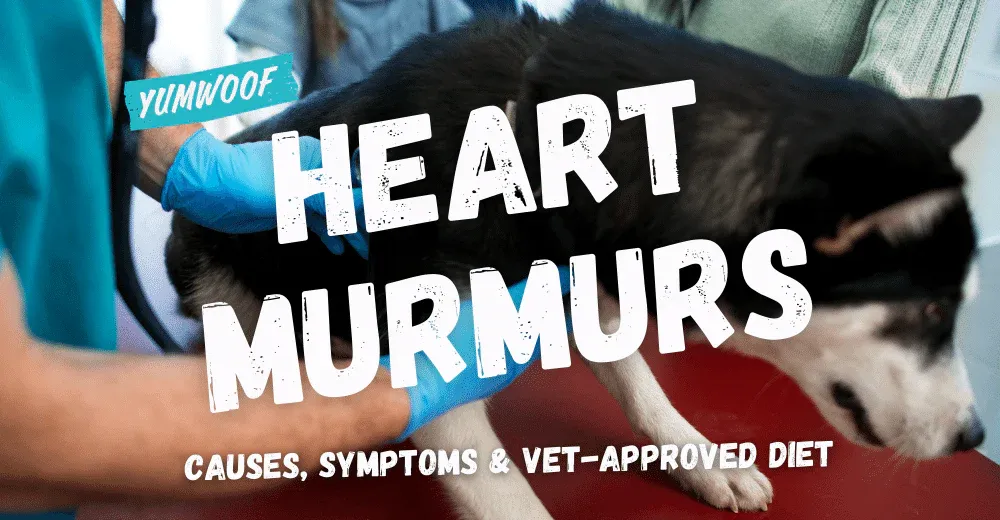
Symptoms of Heart Murmurs in Dogs
While a stethoscope is required to detect a murmur, the underlying causes may present additional symptoms. Watch for the following signs in your dog:
- Coughing
- Lethargy or fatigue
- Exercise intolerance (reluctance to engage in physical activity)
- Abnormal panting or breathing difficulties
- Weakness or fainting episodes
- Pale gums
- Distended abdomen
- Sudden collapse
Even if your dog appears healthy, routine veterinary check-ups are essential to monitor for murmurs and other heart conditions.
Vet-Approved Diet for Dogs with Heart Murmurs
A scientifically-backed diet can significantly reduce the risk of heart murmurs and support overall cardiac health. Below are key dietary adjustments to consider:
1. Avoid Grain-Free Diets
Grain-free diets often contain high levels of peas, lentils, and potatoes, which have been linked to dilated cardiomyopathy (DCM) in dogs. In 2018, the FDA investigated the connection between grain-free pet foods and DCM, noting that these diets may lead to severe, even fatal, heart conditions.
Peas and legumes can inhibit taurine absorption, a critical amino acid for heart health. Instead, opt for foods containing gluten-free grains like oats, which are not associated with DCM.
2. Incorporate Antioxidants
Antioxidants such as vitamin C, quercetin, and myricetin (found in cranberries) play a vital role in maintaining heart health. Vitamin C, for instance, prevents arterial stiffening, improves oxygenation, and enhances heart function. Research indicates that vitamin C deficiency is linked to a higher risk of cardiovascular disease (CVD) mortality.
3. Add Omega-3 Fatty Acids
Omega-3 fatty acids are renowned for their heart-protective effects. A study found that omega-3 supplementation improved heart rhythm in dogs with myxomatous mitral valve disease, keeping them in milder stages of the condition. High-quality fish oil, such as Wild Alaskan Salmon Oil, is an excellent source of omega-3s.
4. Include Coconut Glycerin
Despite its chemical-sounding name, glycerin is a natural compound found in fats and can be produced by the body. Coconut glycerin has been shown to enhance athletic performance and support heart health. Scientific research confirms its benefits as a heart-healthy supplement for dogs.
What to Feed a Dog with Heart Murmurs
Discovering that your dog has a heart murmur can be alarming, but dietary changes can make a significant difference. Here’s a summary of the four key adjustments:
- Avoid grain-free diets (especially those with peas or legumes).
- Increase antioxidant intake (e.g., vitamin C from cranberries).
- Supplement with omega-3 fatty acids (e.g., fish oil).
- Add coconut glycerin to support heart function.
For a balanced, heart-healthy diet, consider whole-food options like Perfect Kibble, which includes all these essential nutrients. Avoid fresh food brands that contain peas or legumes, as these are common in many commercial diets.
The heart is your dog’s most vital organ. By implementing these dietary changes, you can maximize your pet’s longevity and ensure they remain by your side for years to come. Always consult your veterinarian before making significant changes to your dog’s diet.