
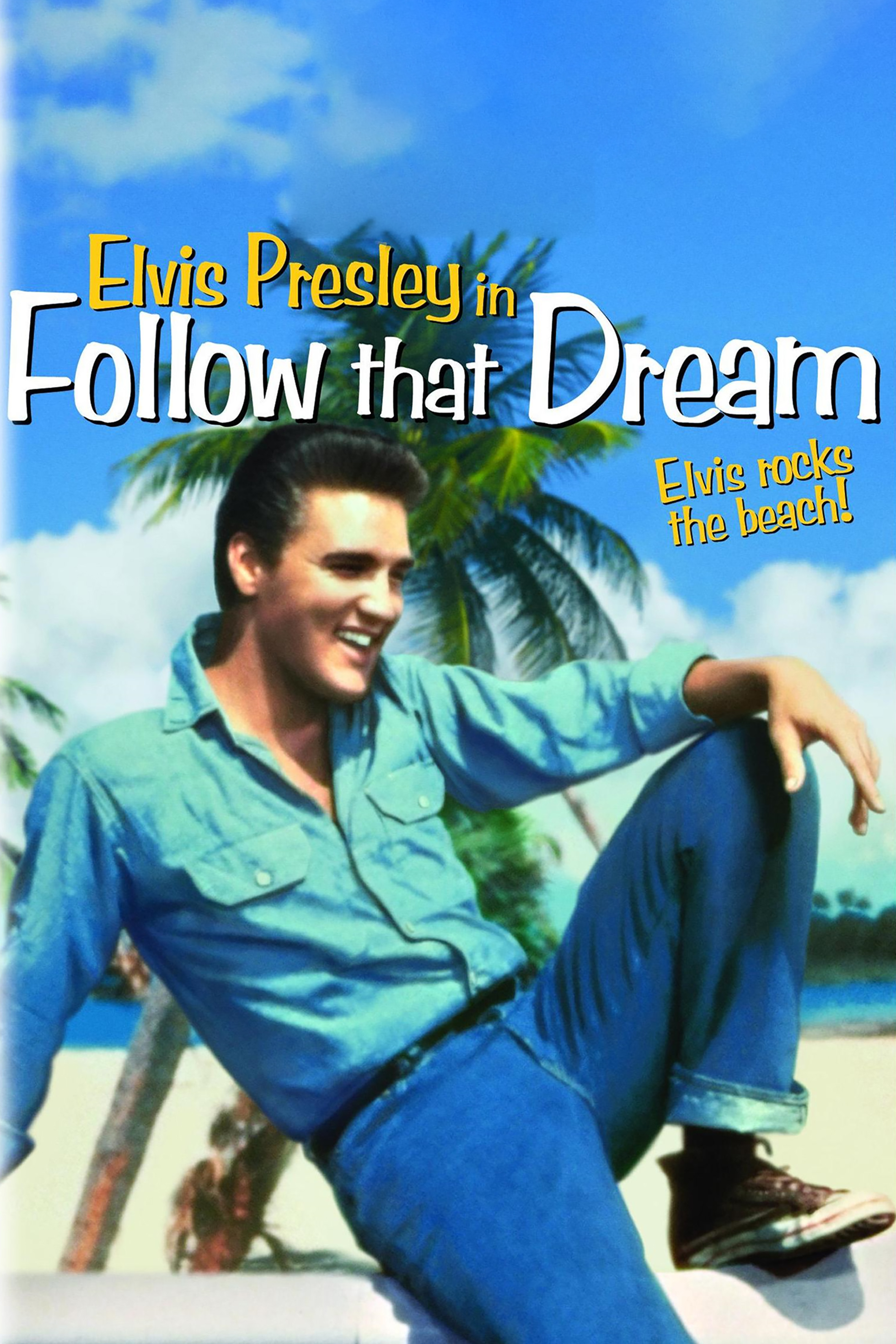
Elvis Presley’s filmography is often characterized by its musical numbers and romantic escapades. However, amidst the glitz and glamour, lies a film that many, including myself, consider his finest: Follow That Dream (1962). While not a commercial behemoth like Blue Hawaii, this “romantic, musical, hillbilly comedy” stands out for its exceptional script, genuine humor, strong supporting cast, and a surprisingly nuanced performance from Presley himself. This film offers a unique glimpse into the potential of Elvis as a serious actor, blending heartwarming innocence with subtle comedic timing.
A Hillbilly Comedy with Heart
Follow That Dream masterfully employs the “hillbilly” stereotype for both humor and drama. The narrative follows Toby Kwimper, played by Presley, and his family as they navigate societal norms with their unique brand of backwoods innocence and inherent honesty. The film’s writer, Charles Lederer, and director, Gordon Douglas, are credited with expertly adapting Richard Powell’s novel “Pioneer, Go Home” for the screen. Variety‘s review noted their success in translating the comedic essence of the script into “amusing and fast-paced visual terms.”
The humor in Follow That Dream is notably subtle. Rather than relying on slapstick, the film finds its comedic footing in the characters’ naïve interpretations of the world. A prime example is Toby and Holly’s attempt to borrow money from a bank, where their belief that a 15-minute parking meter time is sufficient for such a transaction highlights their guilelessness. Other instances of understated humor include the mix-up at the bank, where Toby’s loan request is mistaken for a robbery, and the ongoing gags involving the family’s outhouse and their conflicts with gangster gamblers.
Beyond the Elvis Archetype
While previous Elvis films often cast him as an aggressive or angsty young man, Toby Kwimper offered a departure. Presley portrays a calm, slow-talking country boy, exuding a blend of innocence and down-to-earth intuition. His performance, characterized by a vacant, questioning facial expression and a slow, monotone voice, creates a relaxed and believable character. Variety recognized this, stating, “Presley conveys the right blend of horse sense and naiveté in his characterization.” Despite its strengths, Variety ultimately deemed the film “above average” specifically “by Presley pix standards,” a testament to the distinct genre that Elvis’s movies had become.
This distinction is further exemplified by the differing critical reception from The New York Times. While previously providing lengthy reviews for Presley’s films, the paper’s critic, Bosley Crowther, offered only a brief, dismissive 100-word review of Follow That Dream, comparing it unfavorably to Blue Hawaii. However, this comparison overlooks a crucial aspect of Follow That Dream‘s unique appeal.
Follow That Dream vs. Blue Hawaii: The Music Factor
Follow That Dream did not achieve the same box office success as Blue Hawaii. This disparity is largely attributed to the difference in musical numbers. Blue Hawaii featured 14 songs, with musical numbers occurring almost every 10 minutes, catering directly to the audience’s desire to see Elvis perform. In contrast, Follow That Dream included only five songs, with an average of 30 minutes separating them. Variety even suggested that the songs, while competently delivered by Presley, “hamper the comic momentum of the story.”
However, this decision by United Artists, while impacting commercial success, allowed for a different kind of cinematic achievement. Follow That Dream was filmed before the release of Blue Hawaii, meaning the studio was initially unaware of the overwhelming audience preference for music in Elvis films. Consequently, Follow That Dream stands as a testament to Elvis Presley’s acting capabilities. The film culminates in a powerful courtroom scene where Presley delivers a speech to the judge, marking his finest dramatic moment in his film career.
A Stellar Supporting Cast
Elvis Presley’s films of the early 1960s often benefited from competent co-stars, and Follow That Dream was no exception. Arthur O’Connell delivered a memorable performance as the patriarch of the Kwimper clan, engaging in a running gag involving an outhouse. Anne Helm provided a charming presence as Daisy Mae to Presley’s Abner, and Joanna Moore added authenticity with her Georgia drawl as a welfare worker. Supporting performances from Howard McNear as the bank vice-president and Simon Oakland as the gangster Nick also significantly contributed to the film’s overall quality.
Conclusion: A Legacy of What Could Have Been
Elvis Presley’s work with United Artists in 1962, particularly Follow That Dream, represents a high point in his movie career. While the influence of Blue Hawaii‘s commercial success began to steer his Hollywood trajectory, Follow That Dream remains a shining example of Elvis’s potential as an actor. It showcases what could have been achieved had he prioritized artistic content over sheer box office appeal in his subsequent films. This film, with its engaging story, genuine humor, and a remarkable performance from Presley, is more than just an Elvis movie; it’s a well-crafted comedy that soothes the soul with its kindness of character and offers a compelling narrative.
Discover the timeless charm and subtle brilliance of Follow That Dream and explore the potential of Elvis Presley beyond the music.
References
Hanson, A. (2008, April). Follow That Dream Elvis Movie #9. Elvis History Blog. Retrieved from http://www.elvis-history-blog.com/follow-that-dream.html