
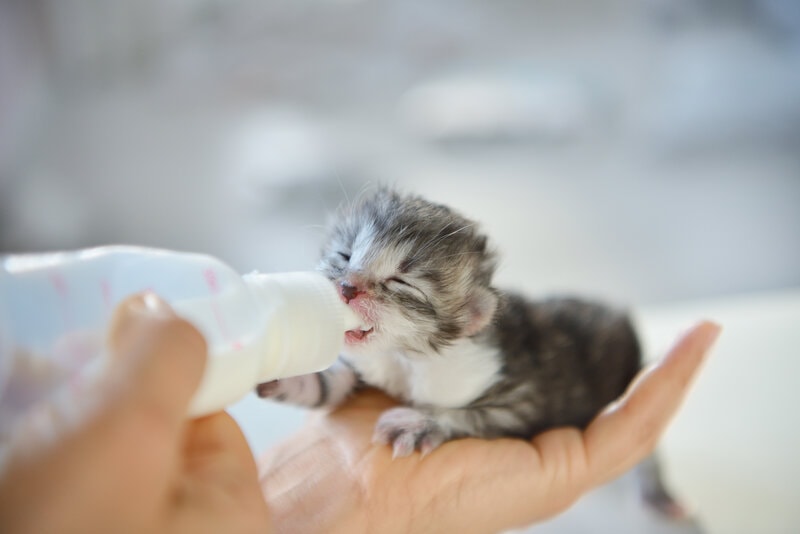
Bringing a new kitten into your home is an exciting experience, and ensuring they receive the proper care from the start is crucial for their healthy development. This guide provides essential information for new kitten owners on bottle-feeding, weaning, and overall care, focusing on key aspects of a kitten’s early life.
Bottle-Feeding Kittens: A Step-by-Step Approach
Bottle-feeding is a critical skill for anyone caring for orphaned or abandoned kittens. It’s important to approach this task with caution and precision to ensure the kitten’s well-being.
Frequency and Amount of Formula
A general guideline is to feed a kitten approximately 8 milliliters of formula per ounce of body weight daily. Using a kitten feeding chart, like the one provided by The Kitten Lady, can offer more specific guidance based on the kitten’s age and weight. Nursing bottles are typically marked, making it easier to measure the formula. Remember that 1 cubic centimeter (cc) is equivalent to 1 milliliter (ml). Daily weighing of kittens with a kitchen or postal scale is essential to accurately calculate their formula needs. Maintaining a log of daily weights and the amount of formula consumed at each feeding is highly recommended.
When feeding multiple kittens, ensure each kitten nurses until they are satisfied before moving to the next. Cycle through the kittens until all have been fed. A well-fed kitten will have a rounded, but not distended, belly. Smaller or weaker kittens may require more frequent feedings.
Important Feeding Precautions
It is crucial to never attempt to feed a kitten that is chilled, as this can lead to severe health consequences. Always warm the kitten before feeding. If you are unable to warm the kitten, seek immediate veterinary assistance. Additionally, observe kittens for any signs of suckling on each other. If this behavior is noticed, separate the kittens to prevent potential medical issues.
Weaning Kittens from the Bottle
Weaning can typically begin around 4 weeks of age. Start by offering formula on a spoon. Once the kitten is comfortable lapping from a spoon, introduce a small amount of formula in a saucer. As they become proficient at lapping from the saucer, gradually mix in a small amount of canned kitten food to create a gruel. Slowly increase the proportion of canned food and decrease the formula.
While some kittens adapt quickly, others may take a few days. To ensure adequate nutrition, continue bottle-feeding a few times a day until the kitten is eating well independently. Avoid overfeeding. It’s important to note that some kittens may continue to enjoy their bottles past 4 weeks, which is acceptable as long as they are not chewing on the nipple, as this can pose a choking hazard now that they have teeth.
Monitor the kitten’s stools to ensure they are tolerating the gruel. If loose stools occur, reduce the amount of canned food and increase the formula. As their diet shifts towards more solid food, you can gradually add more water to the formula mix, especially if using a KMR formula. Always provide a bowl of fresh water once kittens begin eating more solid food. Introduce dry food by mixing it with the watered-down formula; gradually reduce the formula until they eat the dry food exclusively. Continue monitoring stools for any digestive issues.
Monitoring Weight and Hydration
Regularly weighing kittens is vital. They should gain approximately ½ ounce daily, or 3 to 4 ounces per week. By 8 weeks old, most kittens should weigh around 2 pounds. If a kitten is not gaining weight or is losing weight, contact your veterinarian immediately. Proper hydration is also key. To check hydration, gently pull up the skin at the scruff of the neck; it should spring back quickly. If it returns slowly or not at all, the kitten may be dehydrated and requires veterinary attention.
Elimination and Litter Box Training
Young kittens require assistance with elimination. Gently stimulating their genital and anal areas with a warm, damp cloth after or before feedings will encourage urination and defecation. Kittens should urinate after each feeding and have a bowel movement one to four times daily. Avoid prolonged stimulation to prevent skin irritation. Clean the kitten with a damp cloth after elimination. Record the type and frequency of elimination in your logbook.
Introduction to the litter box can begin between 3 and 4 weeks of age. Use a shallow box with a small amount of non-clumping clay litter. Placing a used tissue from a previous elimination session in the box can help the kitten recognize its purpose. Allowing them to explore the litter will often trigger their natural instincts.
Cleaning Kittens and Their Environment
After feedings, clean any formula, urine, or feces off the kitten with a warm, damp cloth. This mimics the mother cat’s grooming. For tougher messes, a slightly wetter cloth can be used. Avoid using soap or pet shampoo directly on the kitten; if necessary, dilute a small amount in warm water. Rinse with clean water and gently dry with a towel or a low-heat hairdryer. Ensure the kitten does not get chilled.
Kitten ears should be kept clean. Gently wipe the outer ear with a dampened Q-tip. Avoid using ear cleaning solutions or inserting Q-tips deep into the ear canal. If ears are excessively dirty or show signs of ear mites, consult your veterinarian. Eye discharge should be gently cleaned with a warm, damp cloth. If discharge persists or is cloudy, seek veterinary advice.
All kitten bedding should be washed separately with detergent and bleach. Carriers and litter boxes can be cleaned with a bleach and water solution. Ensure all items are thoroughly dry and free of fumes before returning them to the kittens.
Essential Medical Care and Developmental Milestones
Consult a veterinarian for any kittens exhibiting symptoms such as diarrhea, constipation, straining to urinate, vomiting, respiratory issues, lethargy, hair loss, or any change in behavior. Do not administer medication without veterinary guidance.
Kittens experience significant developmental changes in their first few weeks. They are born blind and deaf, relying entirely on their mother. By 7-10 days, their eyes begin to open, and by 20 days, they are fully open, remaining blue until 6-7 weeks. Play behavior typically starts at 3-4 weeks, coinciding with the introduction of solid food and litter box training. By 6 weeks, they are agile and coordinated. Vaccinations can begin at 4 weeks, and spaying/neutering is generally recommended around 6 weeks.
The Importance of Loving Care and Socialization
Physical and emotional contact is vital for a kitten’s development. Early cuddling and gentle petting help kittens bond with humans, fostering a sense of security. Interactive play with various toys stimulates their minds and enhances motor skills.
The expertise of veterinary professionals is invaluable throughout a kitten’s early life. For immediate concerns, consider resources like emergency pet hospital or 24 7 pet vets if you suspect a serious issue. If you find yourself needing temporary care for your pets, last minute dog boarding options might be available. For owners of non-traditional pets, specialized care such as avian and exotic animal care is crucial. Always be prepared for potential emergencies by knowing your local dog emergency near me options.