
Introduction
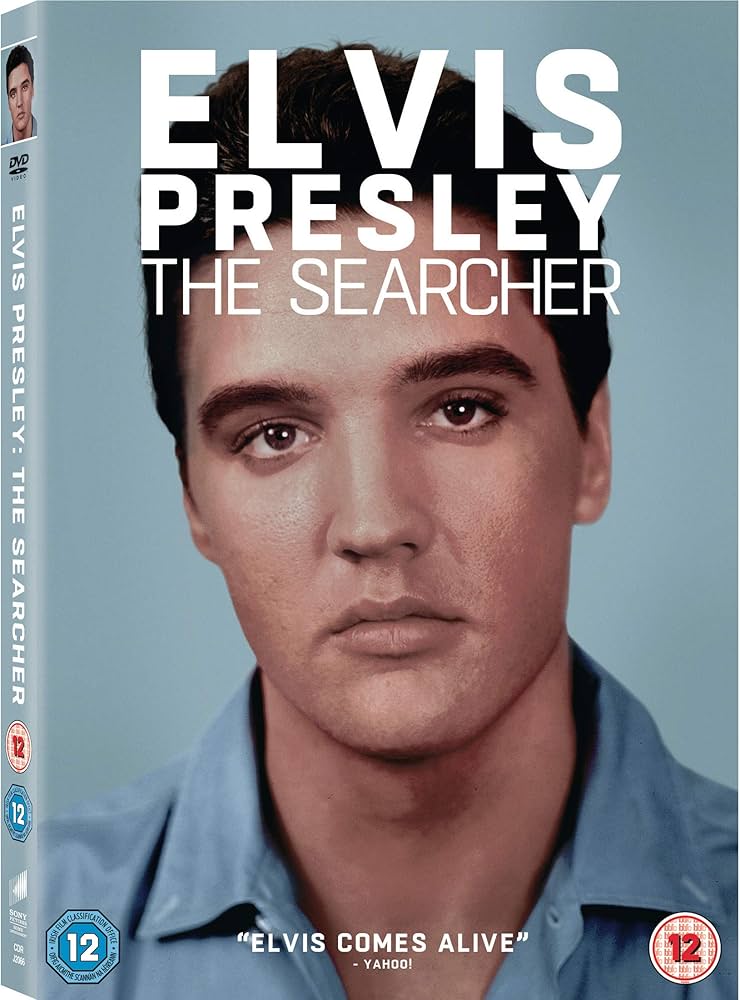
HBO’s documentary Elvis Presley: The Searcher offers a glimpse into the life of one of America’s most iconic figures. However, the film’s title itself raises questions about its focus. While many biographies of Elvis Presley have adopted grand, poetic titles, “The Searcher” fails to illuminate much about the man’s motivations or ambitions. This documentary arrives amidst a growing number of films about the King of Rock and Roll, prompting a consideration of who the target audience is and what new insights can be offered. For a generation that has come of age with little exposure to the foundational figures of popular music, understanding artists like Elvis Presley and Bob Dylan is crucial for appreciating the evolution of modern culture. This review delves into the documentary’s strengths and weaknesses, particularly its superficial exploration of Elvis’s complex inner life, his relationship with race, and the overwhelming influence of Colonel Tom Parker.
The Enigma of Elvis: More Than Just a “Searcher”
Director Thom Zimny attempts to navigate the multifaceted story of Elvis Presley, a narrative already rich with Capra-esque elements: a meteoric rise from poverty to superstardom, a revolutionary stage presence, his complex engagement with Black music, deep familial devotion, and the eventual toll of fame and fortune. While The Searcher presents these familiar aspects, it rarely delves deeply into their underlying significance. The film is replete with historical footage, capturing Elvis’s compelling charisma, his graceful physicality, and his unique ability to appeal to a burgeoning counterculture while still being palatable to mainstream audiences. However, the documentary largely skims the surface when it comes to uncovering the true person beneath the sequined jumpsuits and iconic pompadour.
Navigating the Complexities of Race and Music
A significant and often contentious aspect of Elvis’s legacy is his intricate relationship with race and music. As a product of Sun Records and Sam Phillips’ vision, Elvis became the bridge between segregated “race” records and a wider white audience. This positions him as a pivotal figure, but the documentary offers only cursory glances at whether he was primarily an appropriator of Black culture or a devoted ambassador for it. This is a missed opportunity, especially given the film’s considerable length.
Furthermore, persistent rumors of Elvis being a racist are addressed with a notable lack of depth. While the film could have effectively dispelled or clarified these accusations, Zimmy appears to tread gingerly around the subject. Although Elvis was undeniably a product of his time and place, evidence suggests he was not guilty of the casual racism he has been accused of. The documentary’s reliance on Tom Petty and Bruce Springsteen’s eloquent, albeit familiar, praise of Elvis’s music, rather than incorporating perspectives from people of color, further highlights this oversight.
The Shadow of Colonel Tom Parker and Lost Ambitions
Elvis Presley: The Searcher ultimately fails to illuminate Elvis’s inner life, his core motivations, and his deeper ambitions. The pervasive control exerted by Colonel Tom Parker and his Memphis Mafia is evident, with virtually every aspect of Elvis’s life and career tightly managed. Elvis’s apparent passivity or intimidation in the face of Parker’s dominance meant that his aspirations—particularly his deep love for gospel music and his desire for more substantial acting roles—remain largely obscured. Parker’s relentless drive for commercially driven films, even after Elvis’s enthusiasm waned, is presented, but the film doesn’t significantly explore Elvis’s personal frustrations or his desire for artistic fulfillment. Interviews suggest a weariness with his pin-up status and a yearning for more heartfelt expression, yet the documentary doesn’t delve into the potential realities of these unfulfilled dreams.
The Vegas Years and the Tragic Descent
By the time Elvis embarked on his Las Vegas residency, the signs of his struggles were apparent. His perceived inability to resist Parker’s demanding schedule contributed to his decline. The constant use of stimulants and sedatives, fueled by the pressure from Parker, plunged him into a perpetual haze. One of the film’s more poignant visuals is a superimposed image of a small, helpless Elvis in a fetal position, floating above the glittering Las Vegas Strip amidst fireworks. This is a rare instance where the documentary attempts to visualize the emotional turmoil beneath the surface, offering a glimpse into the subject’s internal state.
Conclusion: The Man Behind the Image
Did the seemingly sheltered Elvis possess a rich inner life beyond the superficial glamour of superstardom? Evidence, particularly in his gospel performances, suggests a deeper emotional landscape. The documentary’s visual material shows a gradual transformation in Elvis’s appearance, from the confident, lean young man to the weary, almost fatalistic middle-aged figure. However, these external changes are left to imply the internal emotions locked away. America’s relationship with its pop stars is often a brutal cycle of elevation and deconstruction. We magnify their exceptional qualities, which in turn can make the masses feel inadequate. In this process, the authentic thoughts and feelings of the stars are often overlooked, and their humanity is forgotten. The story of Elvis Presley is a stark example of this phenomenon. It is regrettable that Elvis Presley: The Searcher does not delve deeper to uncover the man behind the enduring image.
Explore the enduring legacy of music that shaped generations. Discover the timeless appeal of Oldies music.
References
- Hanson, M. (2018, August 15). Elvis Presley: The Searcher [Film Review]. HBO.
- Elvis Presley: The Searcher [Documentary Film]. (2018). Directed by Thom Zimny. HBO.