
The Genesis of a Song
In the vibrant musical landscape of 1969, Elvis Presley embarked on a series of recording sessions at American Sound Studio in Memphis, Tennessee. This period marked a significant return to his hometown for recording, a departure from the Nashville and Hollywood studios he had frequented. The sessions, driven by Elvis’s renewed inspiration following his successful 1968 television special, aimed to recapture the authentic, gritty sound that had defined his earlier career. The result was a creative resurgence, producing some of the finest music of his career and yielding classic albums such as “From Elvis in Memphis” and “Back in Memphis.”
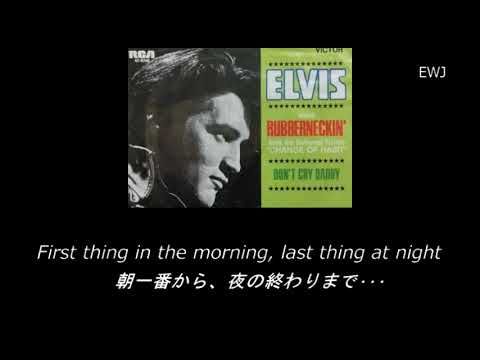
Among the many tracks recorded during this prolific period was “Rubberneckin’,” a song penned by Jones and Warren. This track, along with others like “In the Ghetto” and “Suspicious Minds,” showcased Elvis’s ability to connect with contemporary themes and deliver them with his signature vocal power. The sessions at American Sound Studio, helmed by producer Chips Moman, allowed Elvis to collaborate with talented Memphis musicians, breathing fresh life into his recording career after years of soundtrack work.
Recording “Rubberneckin'”
“Rubberneckin'” was officially recorded on January 20, 1969, at American Sound Studio. This date places it squarely within the highly productive Memphis sessions that would define a pivotal moment in Presley’s career. The song’s lyrical theme revolves around a philosophy of actively observing and appreciating the world, encapsulated in the phrase “Stop, look and listen baby that’s my philosophy.” It describes a person who enjoys observing life around them, even if others perceive it as wasting time. The lyrics also touch upon a brief encounter with “Mary Jane with somebody else,” adding a narrative element to the song.
While “Rubberneckin'” was recorded in January 1969, it was later released as a single and featured in the soundtrack for the 1969 film “Change of Habit.” This film marked Elvis’s thirty-first and final acting role in a motion picture, where he played a doctor in a ghetto community alongside Mary Tyler Moore. The song’s lively, observational tone reflects the energetic and experimental spirit of the Memphis recording sessions.
The American Sound Studio Sessions: A Creative Rebirth
The decision for Elvis to record at American Sound Studio was a strategic one, fueled by a desire to escape the perceived creative stagnation of other studios. American Sound Studio, though a modest facility in a less affluent neighborhood, offered a raw and authentic atmosphere that resonated with Elvis. Chips Moman’s production guidance, combined with the caliber of local musicians, created a fertile ground for musical exploration. This environment allowed Elvis to deliver heartfelt performances, infusing his work with a renewed sense of passion and artistic integrity.
The impact of these Memphis sessions cannot be overstated. They are widely regarded as a crucial turning point, revitalizing Elvis’s musical output and setting a high creative standard for the years to come. The resulting albums and singles from this period, including the hits “In the Ghetto,” “Suspicious Minds,” “Don’t Cry, Daddy,” and “Kentucky Rain,” cemented Elvis’s status as a relevant and dynamic recording artist.
“Rubberneckin'” and its Place in Elvis’s Legacy
“Rubberneckin'” may not be as widely recognized as some of Elvis’s other iconic hits from this era, but it holds a special place within his discography. It represents a snapshot of a highly creative period, showcasing Elvis’s versatility and his continued ability to engage with diverse lyrical themes. The song’s optimistic and observational message, delivered with Presley’s characteristic charisma, adds another layer to the rich tapestry of his musical legacy.
The 1969 American Sound Studio sessions stand as a testament to Elvis Presley’s enduring artistic spirit. “Rubberneckin'” is a part of this remarkable chapter, embodying the raw energy and creative vitality that defined this significant period in his career. Exploring songs like “Rubberneckin'” offers a deeper appreciation for the breadth and depth of Elvis’s musical journey.
References
Elvis Presley News. (n.d.). Reinventing Elvis: The American Sound Studios Sessions. Retrieved from https://www.elvis.com.au/presley/reinventing-elvis-memphis-1969.shtml